
13,000 Relics Belonging To Hidden Chinese Kingdom Surface
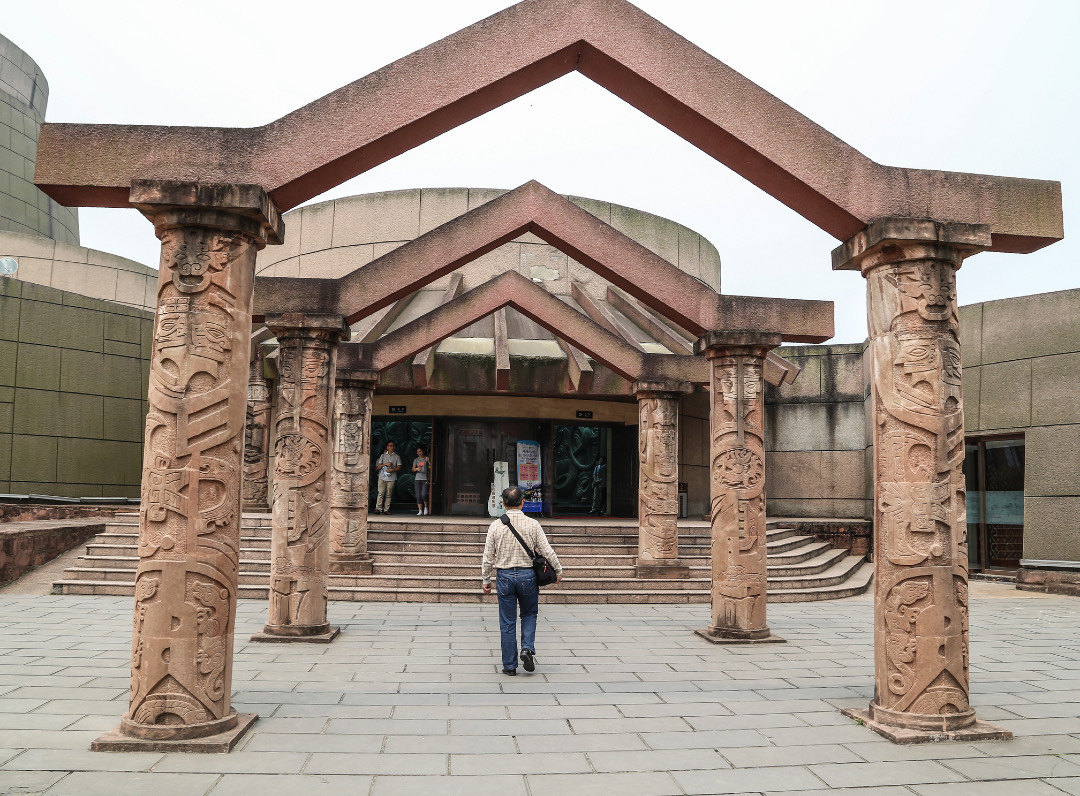
Hidden within the Sanxingdui Ruins site, a motherlode of ancient artifacts has recently been found. In the Sichuan Province of southern China, 13,000 relics have been discovered that are linked to a hidden kingdom. These artifacts are said to date back 3,000 to 4,000 years.
The site was found in the 1920s and has been considered one of the most significant archaeological discoveries of the 20th century. The discovery was made by archaeologists from the Sichuan Provincial Cultural Relics and Archeology Research Institute as they teamed up with Peking University and Sichuan University. Other research institutions have also been working at the site since 2020.
New archaeological findings were made at #Sanxingdui Ruins in SW China, including some exquisite bronze, gold and jade wares from about 3,000 years ago.
— Qin Gang 秦刚 (@AmbQinGang) June 15, 2022
Something to marvel at! pic.twitter.com/G1dvnPPlCV
Six sacrificial pits were unearthed at the site and within them lay treasures of gold, bronze, and jade. While not much is currently known of the Sanxingdui culture, as no records or human remains were ever found, it is believed to be a part of the Shu kingdom. The Shu kingdom was one of the three ruling kingdoms of China between the years 220 to 280 AD.
Some of the rare finds from the excavation were a bronze altar that stood three feet tall, and a turtle shell-shaped box carved from bronze and jade. The box left a particular impression on the researchers as they noted that they have never found such an item on any of their digs in the past.
Incredible, New Discovery of Sanxingdui Civilization Site in Sichuan.
— Sharing travel (@lsjngs) June 15, 2022
Do you know them? This is almost another civilization.😊😊😊 pic.twitter.com/Y98HqExZNG
The wide assortment of items uncovered at the site has led archaeologists to believe that many cultural exchanges between the different regions and kingdoms in ancient had taken place. Vessels known as ‘zun’ that were found at the site were symbolic of the Zhongyuan region in central China.
[via, CNN and Economic Times, Photo 40832902 © Bai Xuejia | Dreamstime.com]


