
Harvard Researchers Tap On AI To Identify The Quickest Paths To Happiness
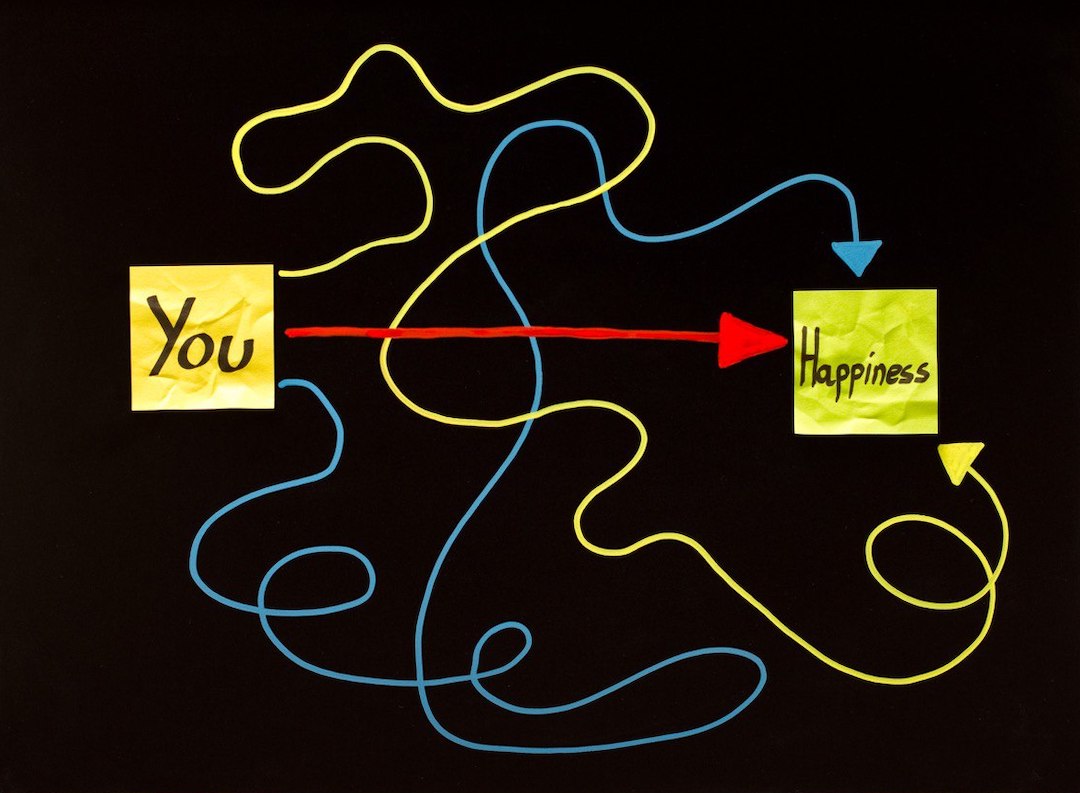
They say it’s all about the journey, but if given the chance, would you accelerate it to get to your destination?
In partnership with researchers at Harvard Medical School, Deep Longevity, an artificial intelligence (AI) platform, recently published an article on optimizing the future well-being of humankind by tapping into machine learning.
The study’s authors experimented by developing two digital models of human psychology, the first of which used data from a psychological survey to predict how happy participants would be a decade later.
Using the AI, the scientists were able to tell that the human mind alters with age—with the ability to build meaningful relationships, achieve mental autonomy, and master our environment increasing as we grow older.
However, the model did indicate that the sense of having a purpose in life diminished after 40 to 50 years.
In the second model, the researchers created a self-organizing map that functioned as a “recommendation engine,” which classified participants based on their risk of developing depression in the future, and highlighted the quickest path to mental stability for each individual.
Alex Zhavoronkov, Chief Longevity Officer at Deep Longevity, explained the goal behind the study, saying: “Existing mental health applications offer generic advice that applies to everyone yet fits no one. We have built a system that is scientifically sound and offers superior personalization.”
To trial the AI in the real world, the company has launched FuturSelf, a free online web service that allows users to take the psychological test used in the study.
Once completed, users will be provided with a personalized report with suggestions on how to improve their mental wellbeing going forward, with the option of signing up for a guidance program that works in tandem with the recommendations.
“This study offers an interesting perspective on psychological age, future well-being, and risk of depression, and demonstrates a novel application of machine learning approaches to the issues of psychological health,” remarked Professor Vadim Gladyshev of Harvard Medical School.
“It also broadens how we view aging and transitions through life stages and emotional states,” he added.
The study’s authors are now working on a follow-up study on the effect of happiness on the psychological changes we undergo as we age.
[via SciTechDaily and Deep Longevity / EurekAlert, cover image via Chris Noble | Dreamstime.com]


