
Space Earbud Is Designed To Monitor Sleep In Astronauts At The ISS
It’s no secret that maintaining a regular sleep cycle is key to mental and physical wellbeing, but quality slumber doesn’t come easy to one group of people far from the comfort of their beds: astronauts aboard the International Space Station (ISS).
Due to the microgravity in space, and an artificial day-night cycle, most astronauts experience difficulty maintaining a natural circadian rhythm, so much so that it’s said to be the one thing they complain about the most.
“Sleep is a kind of biomarker for our health and well-being. In fact, a great many diseases also impact the way we sleep, including a wide range of psychiatric disorders and neurodegenerative diseases,” explained Professor Preben Kidmose, Head of Aarhus University’s Centre for Ear-EEG.
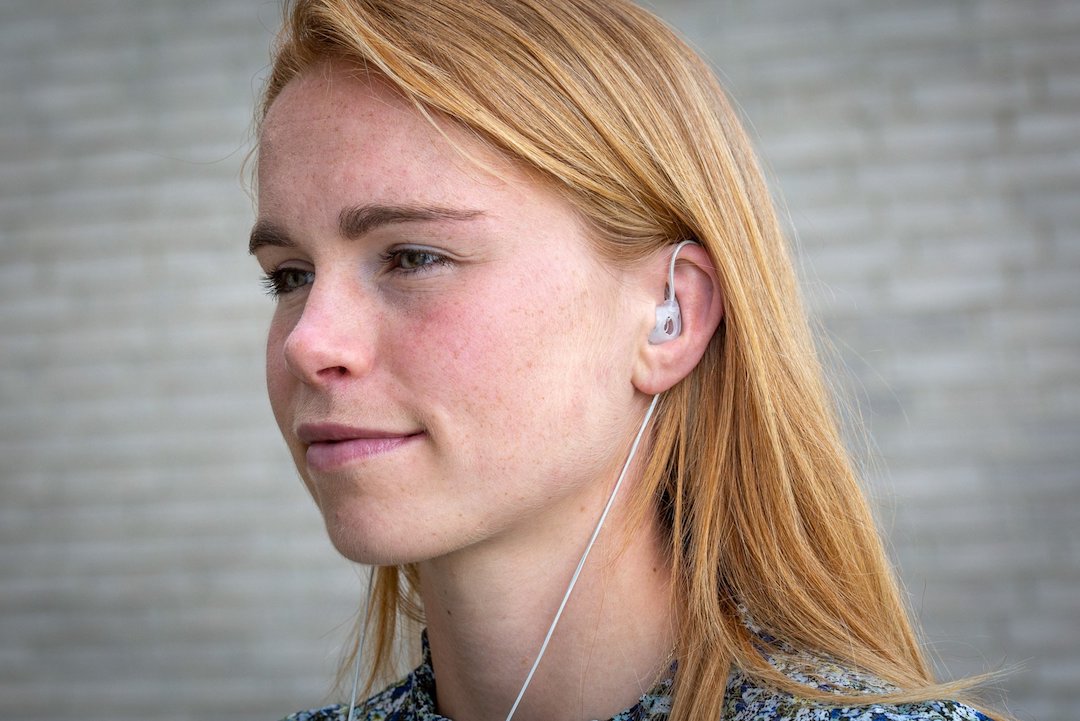
As such, researchers have come up with a smart earbud to monitor astronauts’ sleep patterns, in hopes of better understanding the negative effects of poor sleeps on their bodies, by way of a non-invasive and discreet device.
The earbud will travel together with Danish astronaut Andreas Mogensen to the ISS as part of the ‘Sleep in Orbit’ project to detail the differences between one’s sleep patterns while on Earth and aboard the space station.
“These days, we know a bit about how astronauts experience sleep in space, but we don’t know much about how space affects their sleep physiologically,” remarked Kidmose.
“That’s one of the things that we’re going to measure as part of this project. And it’s also our job to analyze sleep patterns and find the differences between how an astronaut sleeps on Earth and how they sleep in space,” he added.
The ear-EEG works by measuring small voltage changes on the surface of the skin, allowing scientists to gain insight into the electrical activity in the brain. And with sleep stages related to brain states, the team will be able to collect data on astronauts’ sleep patterns based on these signals.
Furthermore, the in-ear device is much less obtrusive than the measurements typically used for sleep monitoring, and will allow the astronauts to use them over a longer-term period without having their sleep disrupted.
As Eskild Holm Nielsen, Dean of the Aarhus University’s Faculty of Technical Sciences, put it: “This project is important because, in the future, we’ll probably be in space a lot more often, and have to stay there for longer. And it’s important to understand how it affects our sleep.”
“Professor Kidmose’s technology is a classic example of how technical sciences develop solutions that help people. I really look forward to following the progress of the project.”
[via New Atlas and Aarhus University, cover image via Lars Kruse, AU Photo]


