
Italian Government Puts A Stop To NFTs Based On Its Museums’ Beloved Works
While the non-fungible token (NFT) market continues to gain steam, it looks as if it won’t be able to tap on classic Italian Renaissance works for much longer.
According to The Art Newspaper, the country’s government is planning to halt the sale of digital assets based on masterpieces seen in museums, including works by Leonardo da Vinci and Michelangelo.
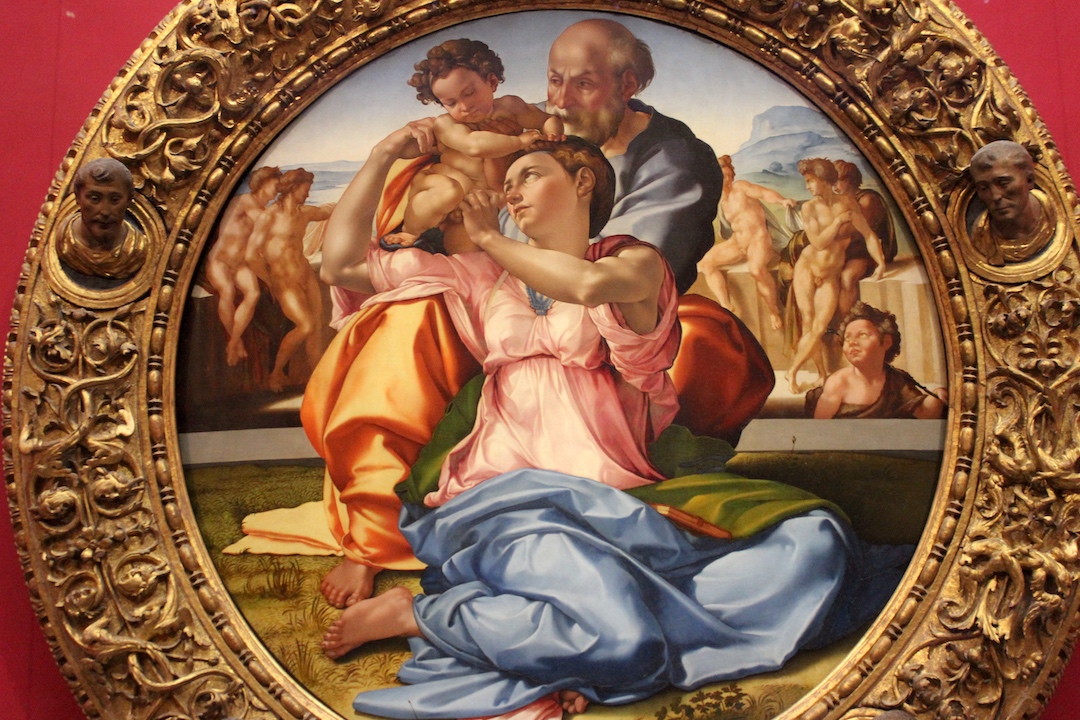
This announcement comes after a digital facsimile based on Michelangelo’s Doni Tondo (1505 - 1506) made headlines last year when the Galleria Degli Uffizi in Florence sold it for €240,000 (US$243,000).
While the museum had netted €70,000 (US$71,000) from the sale, which was minted by Milan-based firm Cinello, eyebrows were raised when it was revealed that €100,000 (US$101,000) had been spent on “production costs.”
As per ARTnews, Cinello has released several other NFTs of famed artworks, such as Leonardo da Vinci’s Portrait of a Musician (1490) and Amedeo Modigliani’s Head of a Young Lady (1915).
In May, Italian newspaper La Repubblica published an article that pointedly asked who truly owned or held the legal rights to Michelangelo’s Doni Tondo. It questioned if the nation could be at risk of losing control of its heritage as the art world moves towards the metaverse.
As such, a spokesperson for Massimo Osaka, the Director of General Museums in Italy, told The Art Newspaper that due to the complexity of the matter, the ministry is temporarily asking museums and archaeological sites to refrain from inking NFT contracts.
Naturally, the Uffizi has come out to defend itself, with the institution saying it was “false to say that the museum sold the Tondo copy,” and that it had only “granted the use of the image.”
Should museums and cultural institutions be investing in the metaverse as a way to draw in a younger crowd, or will creating NFTs from renaissance masterpieces demean their significance? A clear answer has yet to emerge.
[via The Art Newspaper and ARTnews, cover image via Miguel Hermoso Cuesta / Wikimedia Commons (CC BY-SA 4.0)]


