
NASA Wants To Install Nuclear Reactors On The Moon To Power Lunar Colony
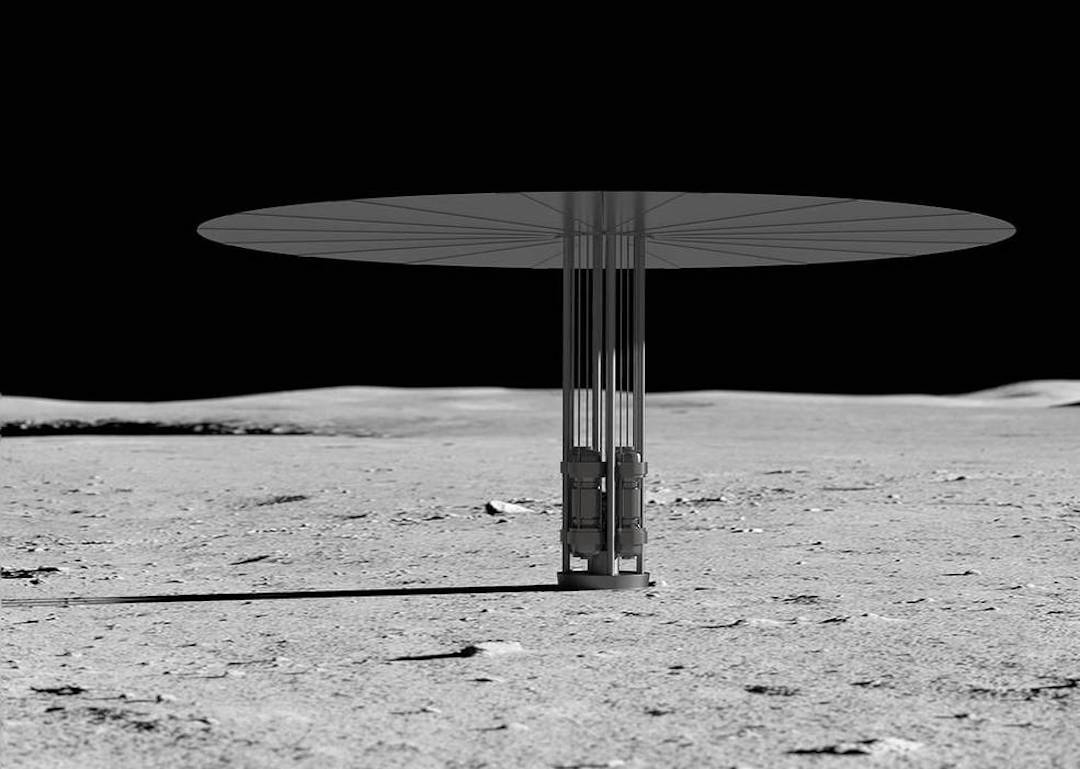
We might be one step closer to living on the Moon with NASA’s latest announcement of a nuclear reactor.
NASA and the US Department of Energy (DOE) have announced plans to bring nuclear reactors to the moon, paving the way for future lunar colonies. The space agency proposed the project as a competition for other companies to design the best reactor for the project, and it has just announced its winners.
The competition winners, Lockheed Martin, Westinghouse, and IX, will receive a 12-month payment to help develop the project and have been partnered with other institutions via NASA.
The new technology will be used to advance exploration through its Artemis segment. The fission surface power proposals include small and lightweight systems that can generate power for an extended period in any location with access to sunlight or environmental properties, such as the Moon.
These reactors, known as fission surface power, will allow for longer missions and Mars and the Moon—where NASA has pledged to put humans back on by 2025. With its next visit to the Moon on the horizon, it plans to start laying the groundwork for lunar colonization.
Colonizing the moon necessitates the construction of infrastructure required for daily life. In order to do so, NASA believes nuclear power is the best option for the necessary construction, mining, heating, refrigeration, charging rovers, and more.
The current project was based on the Kilopower Reactor Using Sterling Technology (KRUSTY), a previous venture that took 15 years to develop. The result was a reactor that could be safely transported into space and discarded once its tasks were completed. This experiment’s generator could produce enough power to last a decade with the use of a Stirling engine, which converts heat into energy.


