
Lost Roman City With ‘Monumental’ Buildings Unearthed In Northern Spain
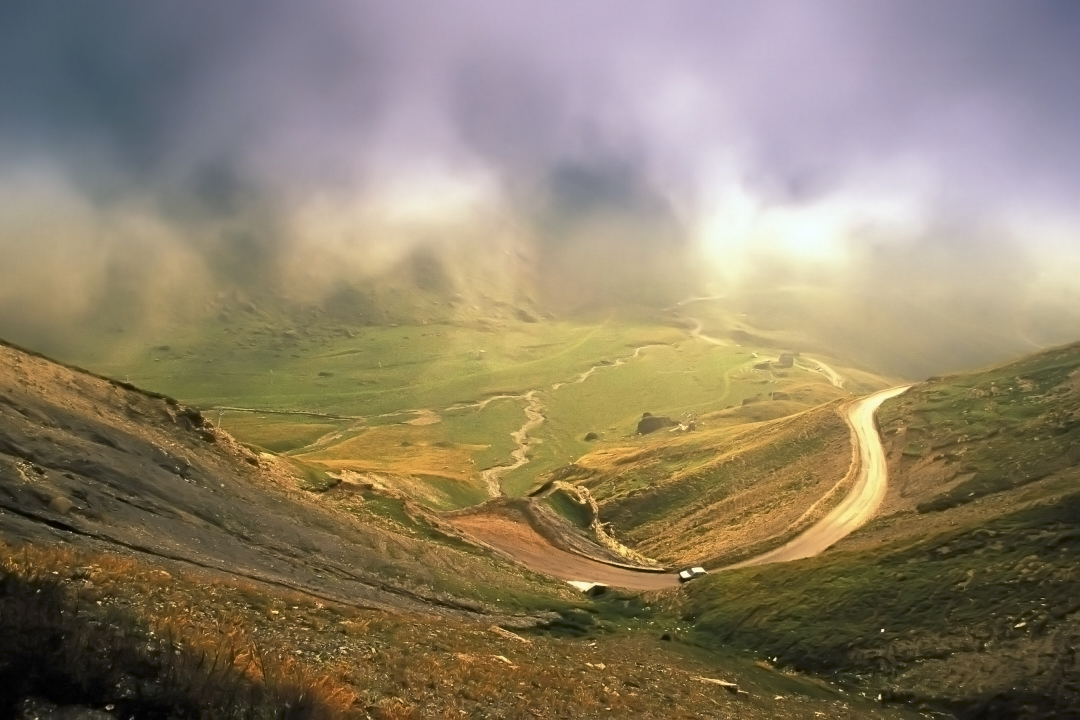
A full 10 acres at the foot of the Pyrenees mountains, previously thought to be a cluster of historical sites that included the Hermitage of San Pedro, have been confirmed as an entire ancient Roman city.
As archaeologists had absolutely no knowledge of this city prior to the discovery, its real name is unknown as well. They’re now calling it El Forau de la Tuta.
The leadup to the find goes back to 2018, when the City Council of Artieda—a small town in the northeastern Aragón region of Spain—tasked archaeologists at the University of Zaragoza to explore the area’s deteriorated ruins, as per Artnet News.
As the site requires thorough investigation, clearing, and cleaning, the researchers have been taking their time to navigate it. Now, about three years later, they have identified an entire archaeological complex that once served as a “Roman imperial city” with “buildings of monumental proportions” between the first and fifth centuries.
Detailing in a new paper, the university’s researchers outlined using georadar techniques and aerial imaging, along with conventional methods, for their study. These dug up two streets; two Corinthian capitals and three Italic Attic bases; remnants of sidewalks; at least four sewer outlets constructed from the ancient Roman version of concrete; the reception room of a bath house and its mosaics; and a life-sized marble hand believed to have been attached to a public monument.
Tarraco (Tarragona) was a major administrative and mercantile city in Roman Spain and the centre of the Imperial cult for all the Iberian provinces. It was endowed with many fine buildings, and parts of these have been revealed in a series of exceptional excavations. pic.twitter.com/WN9uxR0oJY
— Loving Life In Spain (@SpainLoving) July 11, 2022
Inside the bath house was a near-complete tessellated pavement with shell and scallop motifs, all lined up to greet an emblem of Cupids riding the backs of seahorses in the middle.
Descubierta una desconocida ciudad romana con “edificios de proporciones monumentales” en el Forau de la Tuta. al pie de los Pirineos.
— Arquitectura Viva (@arquitect_viva) July 11, 2022
El complejo urbano, datado entre los siglos I y II, contaba con termas, abastecimiento de agua, cloacas, un templo…https://t.co/Cs0ijtuMUn pic.twitter.com/OXSeGPBn9g
There are a couple of other mysteries that the researchers are currently exploring, like the area’s water supply systems which resemble those of the nearby Basque cities, and two tombstones.
But Forau de la Tuta isn’t the only unknown municipality that once occupied this region. The archaeologists also confirmed that, years later, in the ninth to 13th centuries, it was also a medieval peasant village that was either called Artede, Arteda, Artieda, or Arteda Ciuitate.
[via Artnet News and El País, cover photo 4097465 © Davidmartyn | Dreamstime.com]


