
Pineapple Leaves Could Be The Plucky Answer To Eco-Unfriendly Plastic Face Masks
When the pandemic struck, it was a huge step backwards for the climate. A forced reliance on face masks and test kits has only added to the pile of plastic waste. Worryingly, one study estimates that a single face mask can release up to 173,000 microfibers per day into the ocean; it gets worse—it’s said that billions of masks have already entered seas in the wake of the coronavirus outbreak.
Further, most of the plastic found in face coverings is polypropylene, which can take centuries to fully break down.
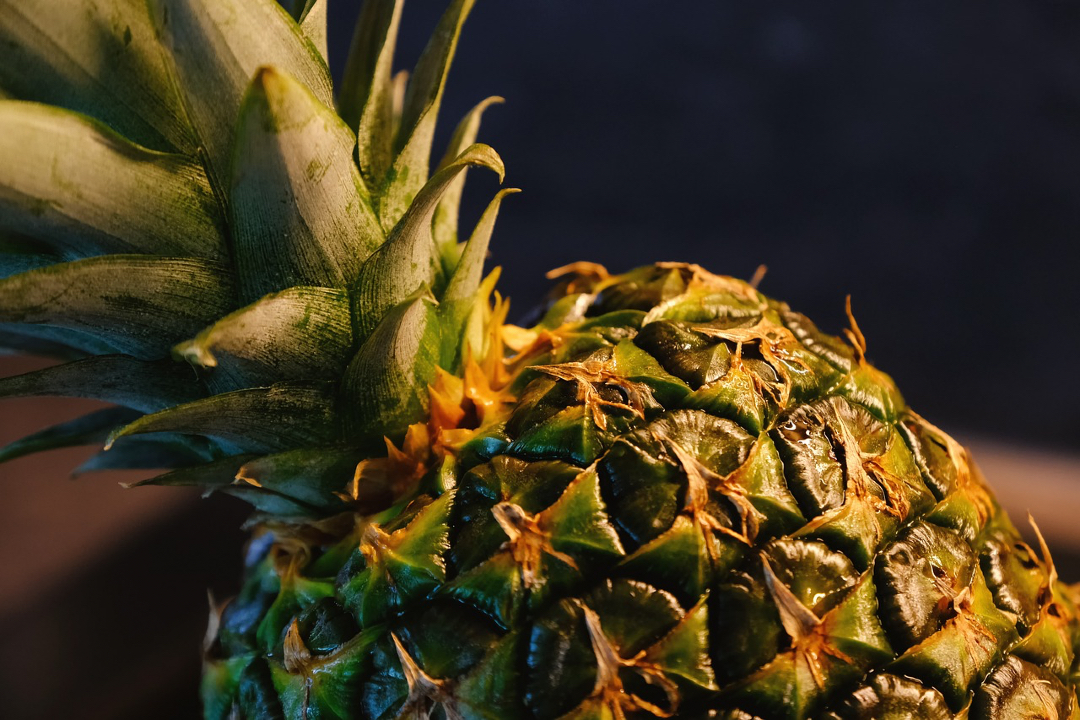
In place of plastic, biotechnology researchers Dwi Umi Siswanti and Tiara Putri of the Gadjah Mada University in Yogyakarta, Indonesia, are proposing the use of pineapple leaves to make biodegradable disposable masks.
The fiber from pineapple leaves has been extracted before to make clothing, rope, and twine. The leaves are usually discarded during agricultural processes, so repurposing them ensures the entire fruit is being used. It won’t just be for piña coladas or—egads—pizza.
Indonesia is also the fourth-largest pineapple producer in the world, making it a viable hub for manufacturing these eco-friendly masks.
Pineapple fiber’s composition of cellulose, hemicelluloses, and lignin makes it lightweight and gives it a linen-like appearance, Siswanti and Putri share on The Conversation. It’s also softer than many other plant fibers and can be easily dyed.
In comparison with cotton, which is treated with harmful chemicals and often requires the use of pollutive pesticides, the pineapple leaf material doesn’t demand as many chemicals during production and is able to break down naturally at the end of its life.
When the wearer is done with their mask, they can dispose of it in soil, where the garment will begin decomposing just three days in.
It’s worth noting, however, that the pineapple mask won’t be as hardy as facial coverings made from plastic fibers. It won’t be able to hold up against water and humidity as well, so more research will have to be done to overcome this.
[via The Conversation and Cool Hunting, cover image via NickyPe / Pixabay (CC0)]


