
The Bahamas Tap Solar Power To Stand Strong Against Future Hurricanes
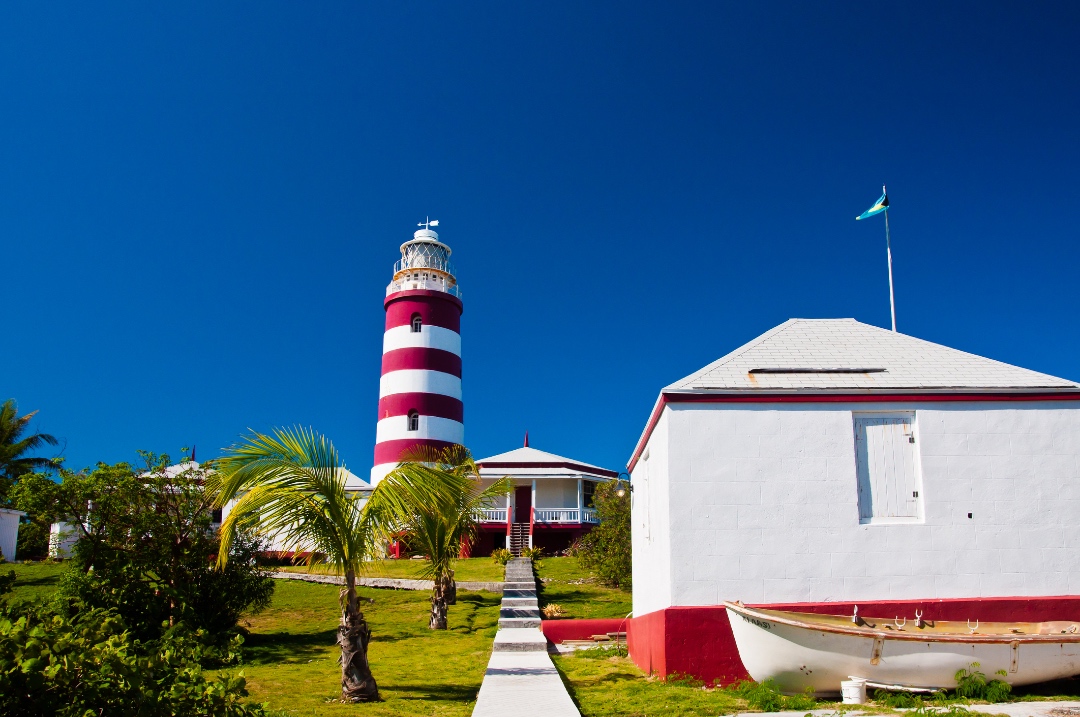
Photo 30686696 © Katie Smith | Dreamstime.com
In many places, solar energy is seen as an alternative power source. For the Bahamas, however, it’s moving into a necessity.
When Hurricane Dorian struck in 2019, the Category 5 storm brought unprecedented damage upon the northern Bahamas.
The Bahamas have been traditionally reliant on diesel-powered generating stations for their electricity. But when Hurricane Irma brought Ragged Island to ruins in 2017, with Dorian following after, officials have scurried for a source that was far more—for a lack of a better word—sustainable to restore the grids of a stretch of land now coined as “Hurricane Alley,” CBS News first reports.
At the aptly-named Hope Town, whose candycane lighthouse shines on the country’s $10 bill, residents have found optimism in a solar array. Three years after Hurricane Dorian, they are still running on generators.
The storm had taken out many of the district’s utility poles, along with the Marsh Harbor Power Station. So the government teamed up with the Islands Energy Program by American nonprofit Rocky Mountain Institute to restore power with microgrids.
The recovery system, which is also being installed on Ragged Island, features a series of solar panels that can either add to a larger grid or run independently to provide power for a single location. By night, the source generates electricity by drawing from its own batteries.
As the arrays are above ground, they’re also more resilient against natural disasters.
According to CBS News, the Bahamian government spends almost US$400 million per year on imported fuel, since everything is more expensive for the islands. As such, residents are forced to pay up triple to quadruple the amounts forked out by households in mainland US for electricity.
That means solar arrays, too, are pricier, but authorities believe the investment will pay off over time. Whitney Heastie, CEO of the government-owned Bahamas Power and Light, describes that the islands are utilizing “what God has blessed us with… the natural sun” for an energy source that keeps going and going.
With the help of solar panels, the Bahamas hope to replace 30% of their energy with renewable power.
[via CBS News, cover photo 30686696 © Katie Smith | Dreamstime.com]


