
London’s New Underground Station Helped Build A Sanctuary For Birds
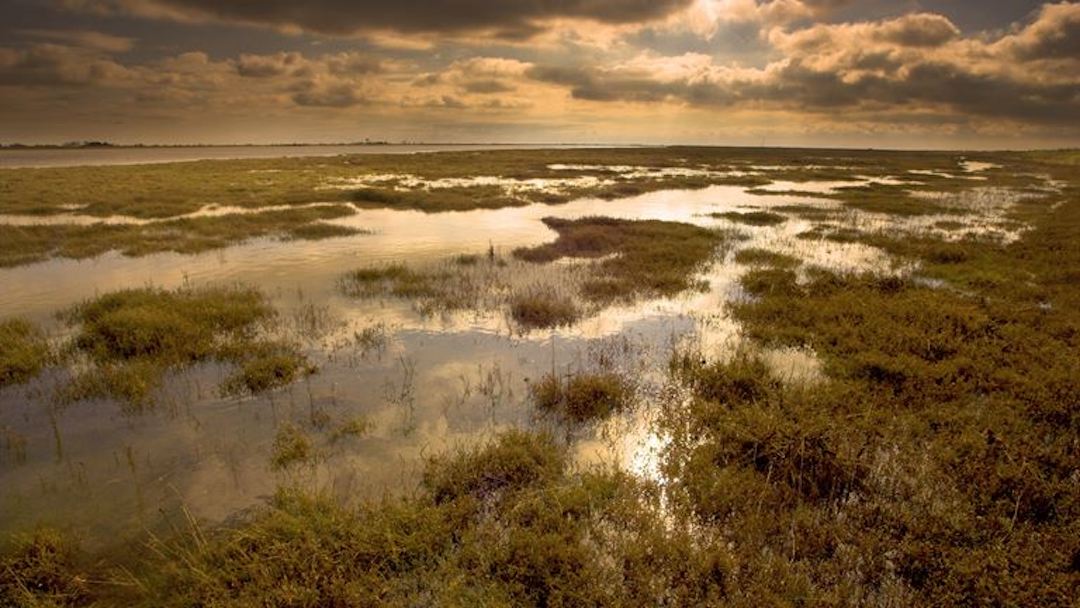
The creation of a new train station in London has not only served commuters on foot but also winged travelers. Crossrail, the company that built the new Elizabeth Underground Line in celebration of the Queen’s Jubilee, has taken the land it has dug up for the new train line and used the excess soil to create a new home and nature reserve for birds.
Seven tons of earth had been excavated for the installation of the new station. While most of the land went into seawalls, lagoon restoration, and mudflats around the Essex coast, a considerable 3.7 tons were donated to build a bird sanctuary, in partnership with the Royal Society for the Protection of Birds (RSPB).
The new bird reserve is located in Wallasea Island, Essex, and spans over 400 acres as well as consists of marshes, fish pools, greenery, mudflats, and lakes for birds to congregate around, all of which were created to protect the animals from rising sea levels and global warming effects.
Named the Wallasea Island Nature Reserve, or Jubilee Marsh, this new conservation area is home to a host of different species, including avocets, spoonbills, black-headed gulls, skylarks, and even some hares that can be seen scampering around the grounds.
Wallasea Island used to be a safe haven for animals, an area where wildlife used to roam around freely. It was an important part of the Essex landscape, but over the years of global warming, the once-teeming lands have eventually been deserted as the animals have fled to find other homes to live in.
RSPB thought it was important to bring life back to Essex’s coast, and hence the deal with Crossrail was struck almost 10 years ago. Sustainability clauses were included in the contract between the two companies before construction began.
It took over 1,528 shipments for all the soil to be transported. A conveyor belt over the land had to be built to carry the soil from the loading docks to where the preservation was being erected.
Thousands of migratory birds have already visited the wetlands throughout the course of the seasons, and hopefully, more wildlife will return to the habitat they once called home.
[via Mashable and The Guardian, cover image via RSPB]


