
Bizarre Sculptures Depict A Future Where Humans, Animals & Hybrids Co-Exist
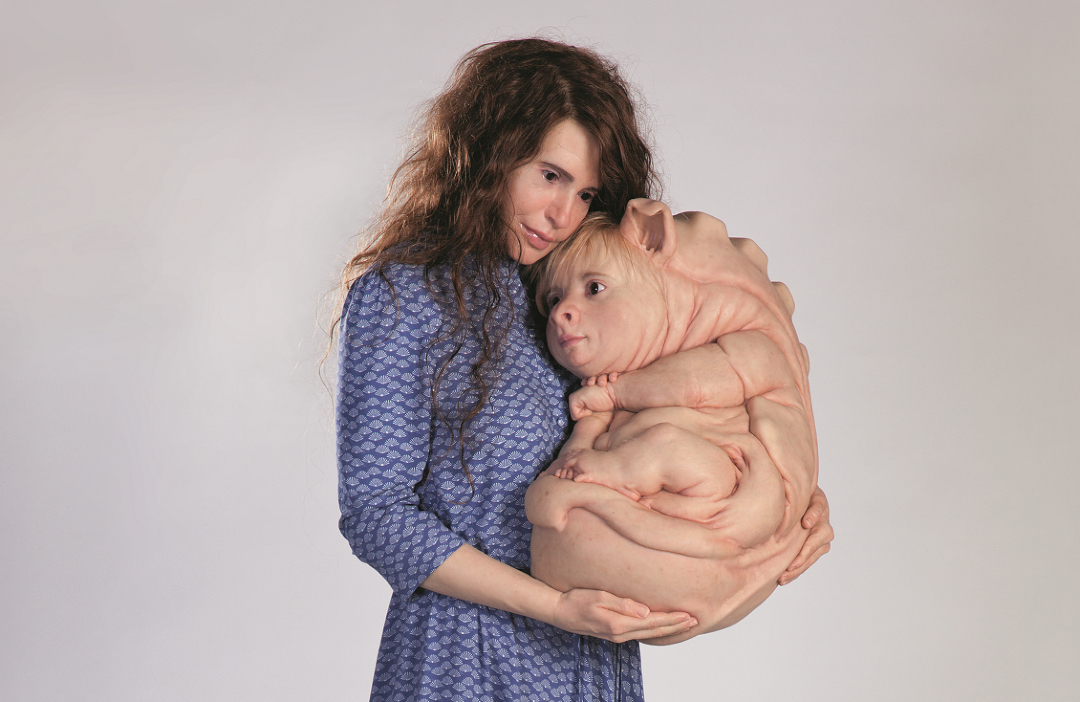
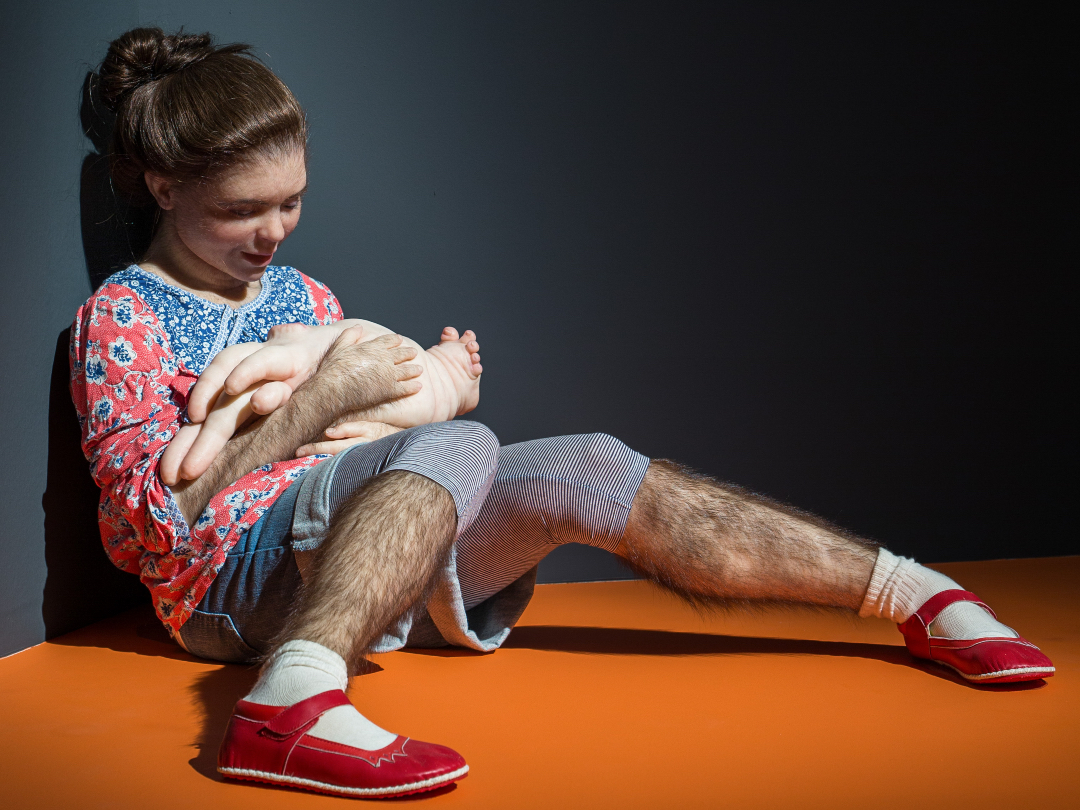
The Bond (2016). Courtesy of the artist and the Institute for Cultural Exchange, provided by Marina Bay Sands
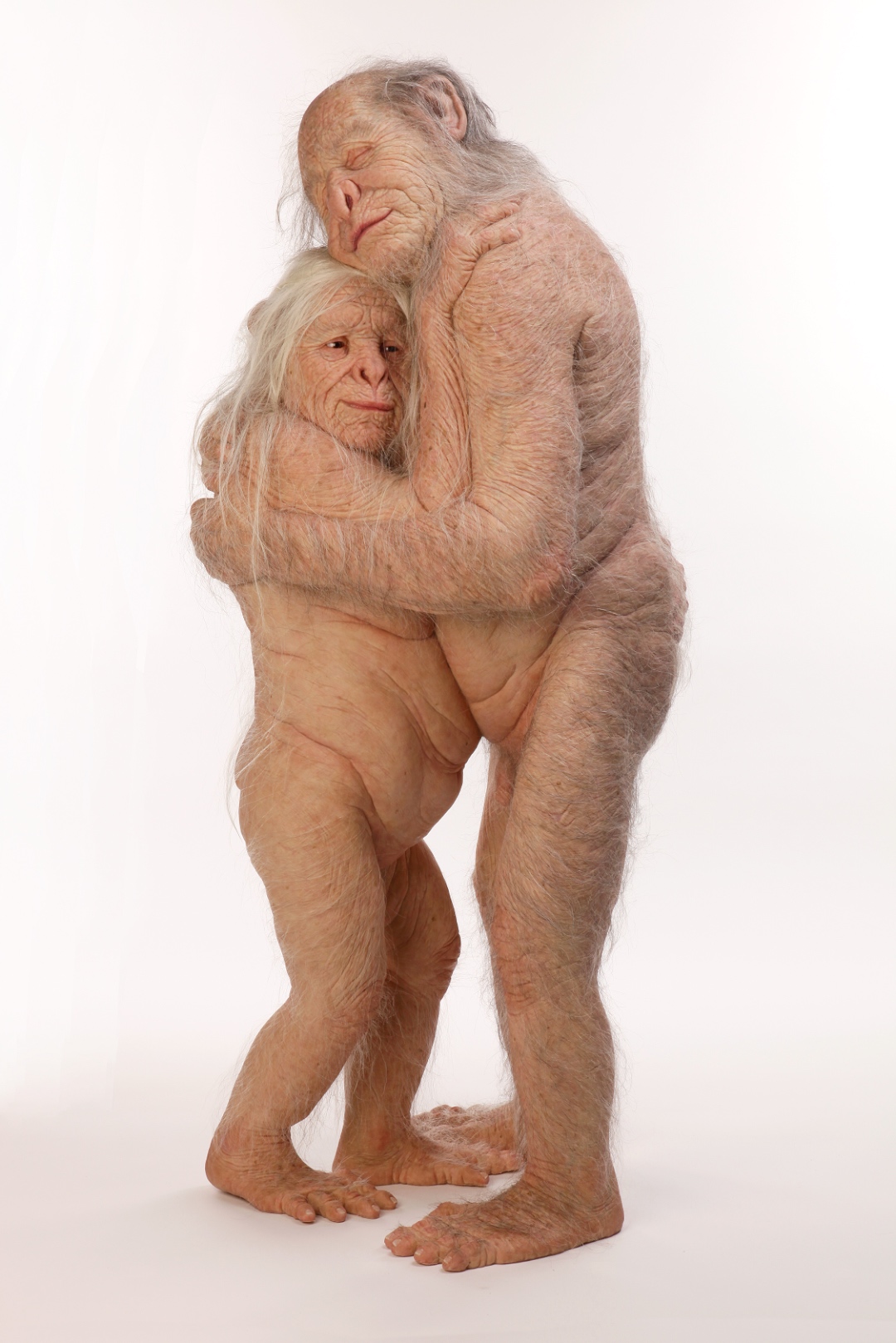
At first glance, these too-real sculptures may make its viewer uncomfortable. Yet, they won’t be able to look away. As repugnance grows into awe, they’ll notice a familiar tenderness seen between mother and child, friend and friend, lover and lover.
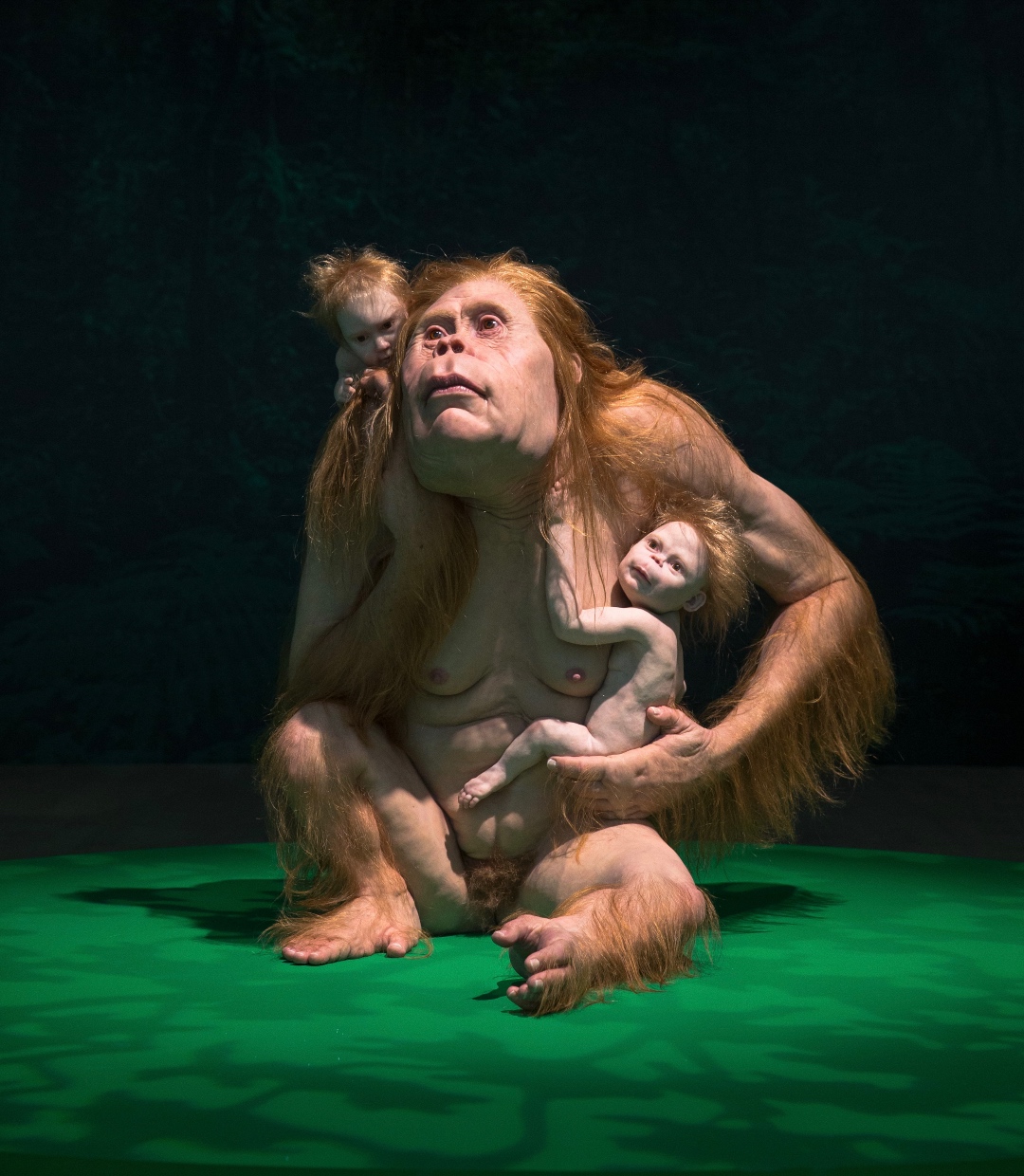
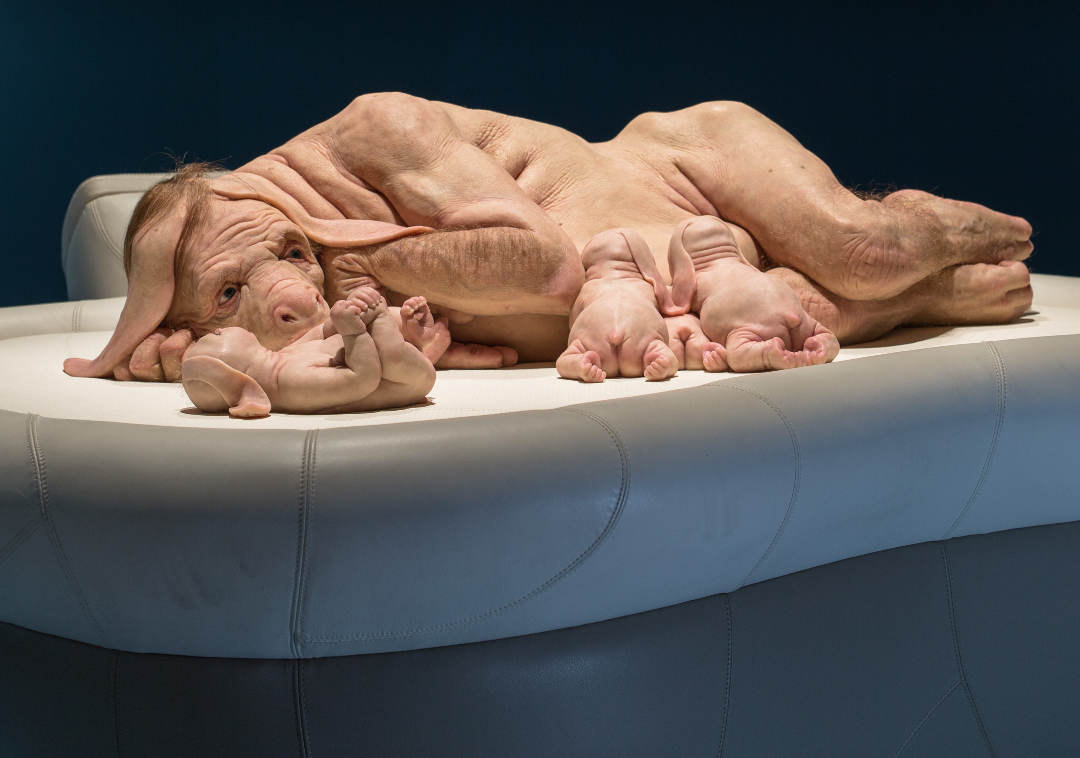
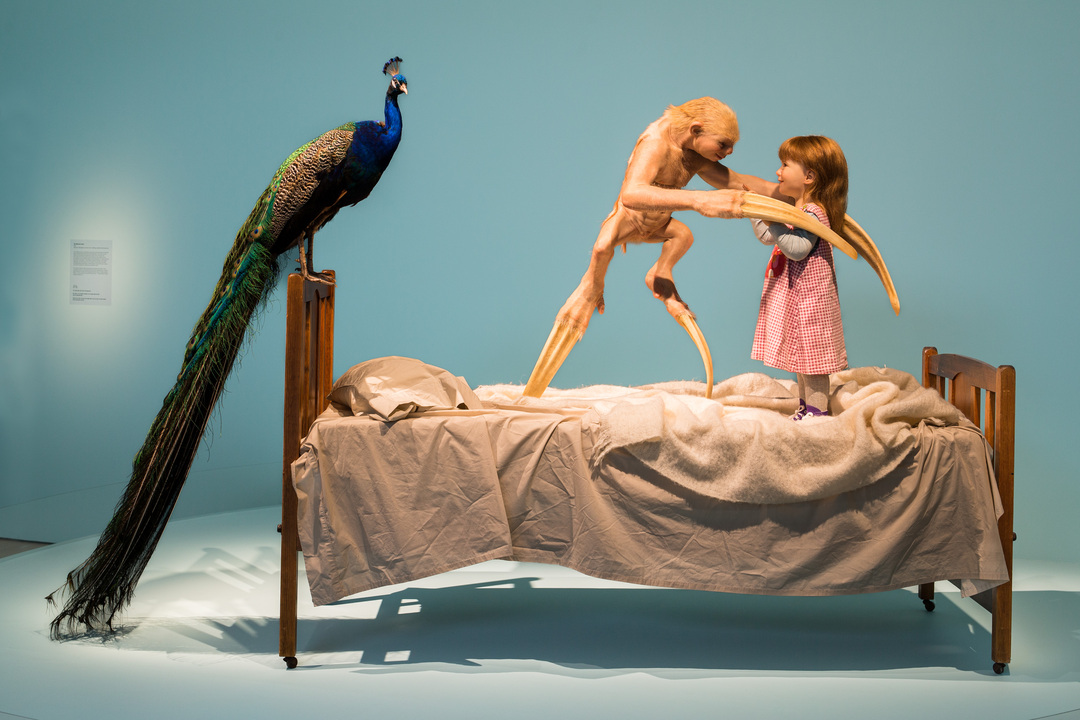
We Are Connected is the name of Australian artist Patricia Piccinini’s new exhibition, and it’s also the resounding message of its displays, as distinct as they are from one another. There’s a sloth-like creature who is friends with a little human girl; a pig-dog-human chimera who has just given birth to piglets-pups-infants; and a family of forest people that are part human, part Orangutan (notably, orangutan translates to mean “man of the forest”).
The provocative retrospective, opening at the ArtScience Museum in Singapore on August 5, is Piccinini’s first major solo showcase in Southeast Asia, gathering 40 of her artworks from the early 2000s through 2021.
The artist has spent the last three decades studying the relationship between humans and nature. Now, with the realities of genetic engineering, DNA editing, cloning, and climate change, her hyperrealistic sculptures are more resonant than ever, standing as figureheads of science and nature.
You may recall Piccinini’s imagination of Graham, a bulbous-looking man envisaged to have evolved to survive car crashes. The campaign won a Cannes Grand Prix back in 2017.
Piccinini’s subjects may look alien, but her intention was never to shock, the artist shared at a press preview attended by DesignTAXI. They depict a future where humans and animals are able to share a mutually-beneficial relationship, growing to love and care for each other. Visitors would be able to empathize with the very human vulnerability and kinship emanating from these bonds.
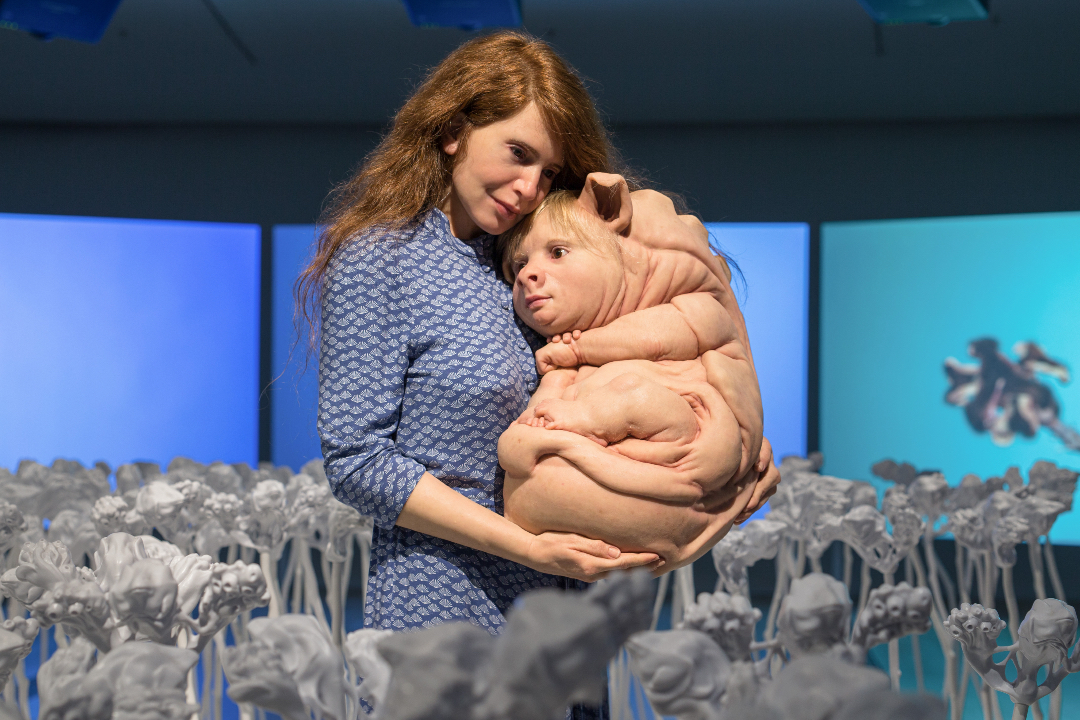
“Some people may find my work strange or ugly at first, but for me it is always about the journey from repulsion to love,” says Piccinini in a statement.
Technology is also how humans will reconnect with the natural world, rather than expecting us to walk backwards, according to the artist.
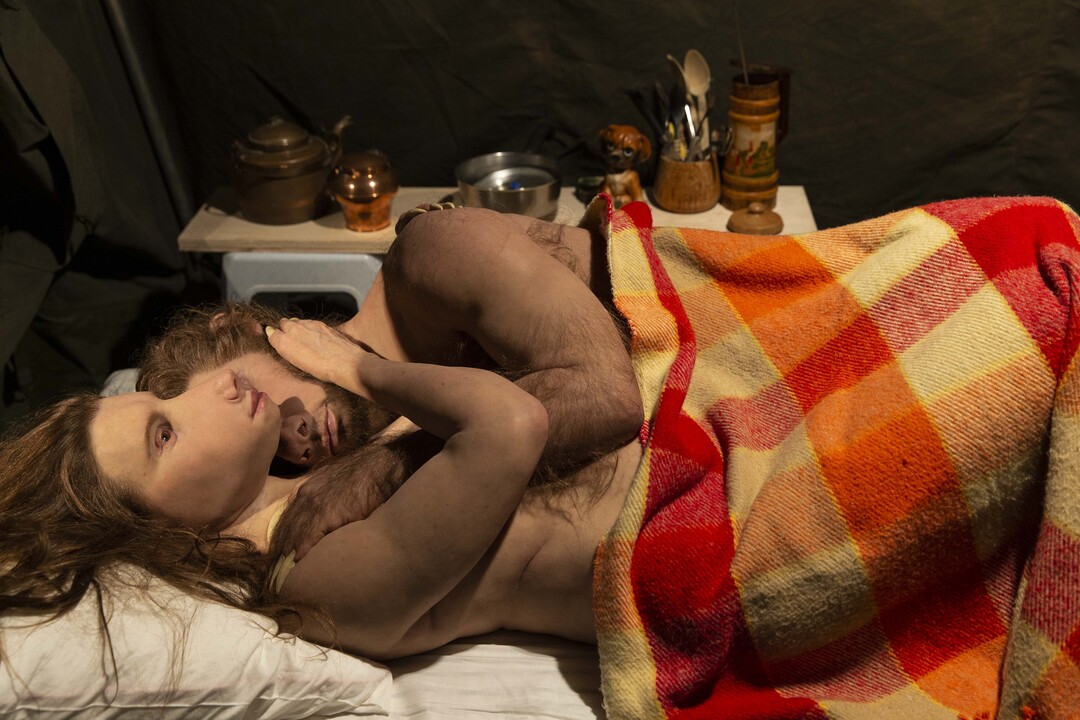
“Several of the artworks emphasize the bioethical challenges associated with humankind's manipulation of nature, highlighting relevant issues such as existence, climate change and technology,” explains Marina Bay Sands, the hotel running the exhibition in collaboration with the Institute for Culture Exchange.
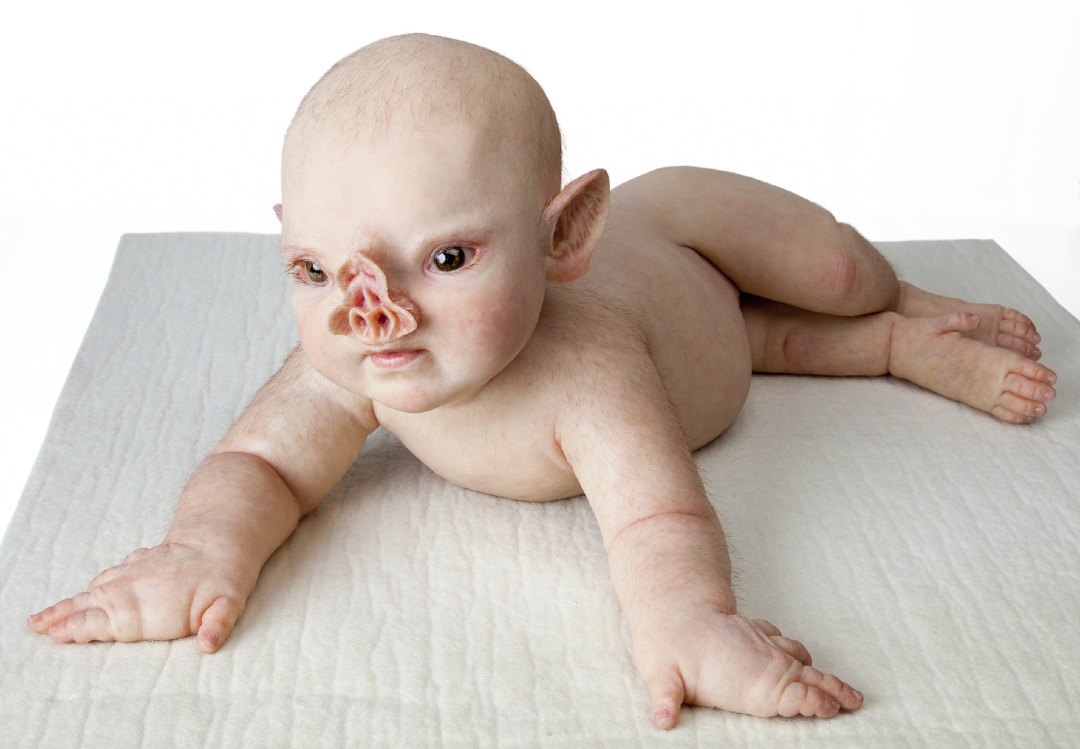
“By confronting issues such as DNA editing, cloning, interspecies connections, scientific intervention, evolution, and their roles in our present and future, messages of empathy and care are communicated for not only the creatures and plants that we share this earth with, but also those yet to come.”
More details about Patricia Piccinini: We Are Connected can be found here.
[via Marina Bay Sands, images courtesy]


