
Lab-Made ‘Cartilage’ Is Stronger, Much More Resistant Than A Human’s
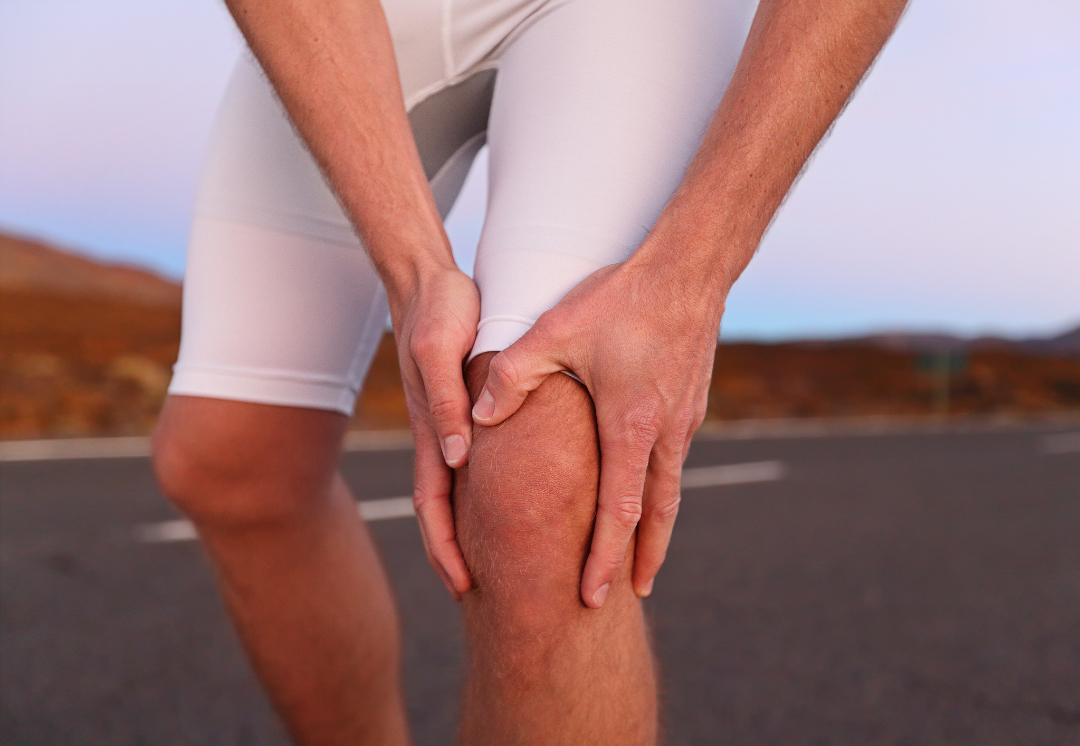
Photo 38700626 © Martinmark | Dreamstime.com
You’d think that evolution would have made humans immune to the inevitable wear and tear of cartilage due to age or friction. Alas, arthritis still affects an estimated one in four US adults, so researchers are turning to science for a remedy.
Knee injuries are extremely common, but treatment options are currently restricted to painkillers, physical therapy, or—in extreme scenarios—complete reconstructions. A team at Duke University, however, has developed a hydrogel alternative that’s been found to outperform natural cartilage in durability and strength.
The hydrogel is said to be three times more resistant to wear and tear, and can withstand more pressure and force than the human cartilage, as detailed in the Advanced Functional Materials journal.
It is made of slivers of cellulose fibers that have been injected with a polymer called polyvinyl alcohol. The cellulose fibers behave like natural collagen fibers, fortifying the lab-made substitute’s strength; whereas the polyvinyl alcohol helps retain the artificial cartilage’s original shape. Together, they form a jelly-like substance that’s flexible and resilient, yet hardy.
For additional resistance, the material is heated, instead of the usual methods of freezing or thawing, to form crystals in the polymer structure.
All this gives the hydrogel resilience that’s “off the charts,” describes Benjamin Wiley, a Duke University chemistry professor who led the study with Ken Gall, a professor of mechanical engineering and materials science.
In comparison with natural cartilage, the lab-made version is 26% stronger in tension, “something like suspending seven grand pianos from a key ring,” and 66% stronger in terms of compression, “like parking a car on a postage stamp,” Duke University researchers note in a news release.
Further tests involved a machine rubbing the material against natural cartilage a million times to mimic the friction caused during walking. The lab-made version once again proved itself to be three times more resistant than human cartilage.
The cartilage alternative has also been built to address some challenges encountered by existing hydrogels, such as the tendency to slide off after being attached to bone or cartilage. This version is applied by “cementing and clamping the hydrogel to a titanium base,” which is then anchored into the space where the damaged cartilage once was. “Tests show the design stays fastened 68% more firmly than natural cartilage on bone,” says Duke University.
Implants using the hydrogel are being developed as we speak. They will first be tested in sheep, and if successful, they’ll enter human clinical trials as soon as April next year.
[via Futurity, New Atlas, Duke University, cover photo 38700626 © Martinmark | Dreamstime.com]


