
Europe Looks To Draw Solar Power In The Cosmos To Be More Self-Reliant
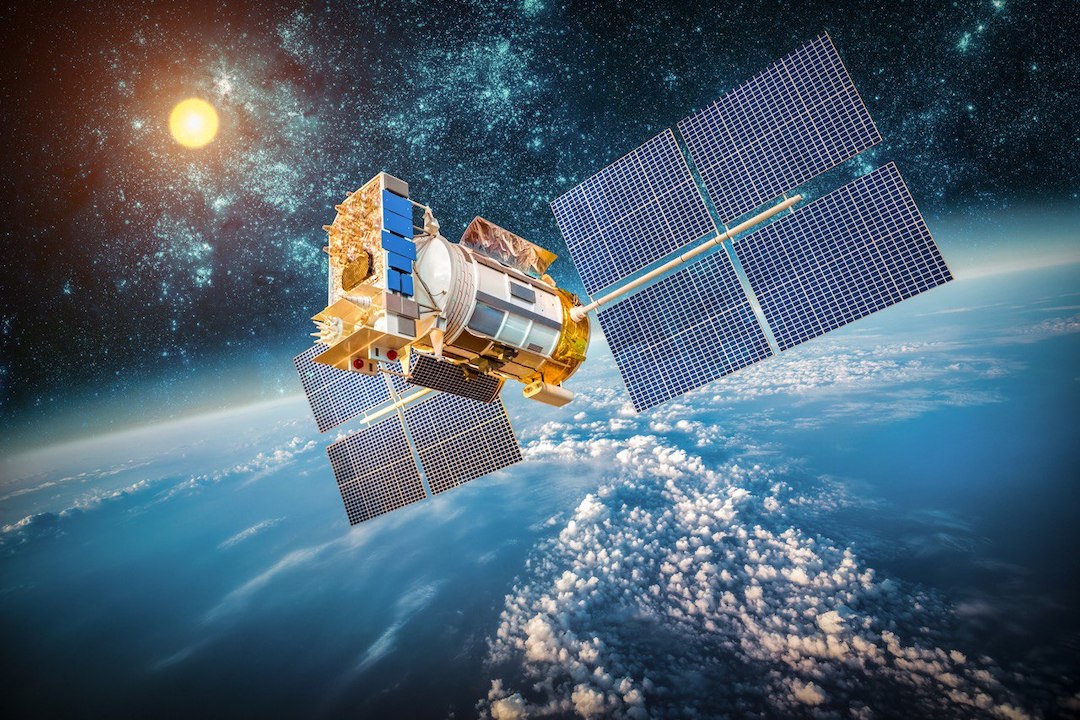
In a push towards exploring more sustainable sources of energy, the European Space Agency (ESA) has just proposed the construction of Europe’s first space-based solar power system by 2025.
According to Ars Technica, the conglomerate—which involves 22 member states on the continent—will decide on Director General Josef Aschbacher’s proposal come November this year.
“It will be up to Europe, ESA, and its Member States to push the envelope of technology to solve one of the most pressing problems for people on Earth of this generation,” Aschbacher said.
By building a solar power system in orbit, the continent hopes it could gain an additional source of energy that would enable it to be more independent from other parts of the world, and with greener options to lower its overall greenhouse emissions.
As per Interesting Engineering, a space power system would comprise satellites in orbit collecting and storing solar energy before converting it into a current that’s beamed back down to Earth using microwaves.
Once it’s captured by photovoltaic cells or antennas on the ground, the power is then covered into useable electricity to power homes and industries here on Earth.
Naturally, due to the fact that there aren’t any clouds or even night time in space, there’s nearly unlimited solar power that can be collected, with estimates suggesting a facility in orbit could provide one-quarter to one-third of the continent’s energy demands.
To aid the committee in its decision, the ESA commissioned two independent costs vs benefits studies from the UK and Germany, which were published just last week.
It’s expected the project will cost hundreds of billions of euros, requiring about a dozen satellites—one of which will be 10 or more times heavier than the International Space Station—to form a constellation large enough to capture enough sunlight.
As exciting as the proposal may seem, there are detractors who aren’t in favor of the idea, most notably SpaceX founder Elon Musk.
Years ago, Musk had called such a plan “the stupidest thing ever,” saying it would be difficult even generating 50% of the energy, and that it would be more cost-effective to just place the solar cells on Earth.
While it’s unclear if the ESA will eventually vote for the proposal to go ahead come the year’s end, it certainly is an interesting idea to think that we could one day be generating energy for use on Earth directly from the depths of space.
[via Ars Technica and Interesting Engineering, cover image via Andrey Armyagov | Dreamstime.com]


