
Airbus Solar-Powered Drone Crashes, Just Shy Of Making World’s Longest Flight
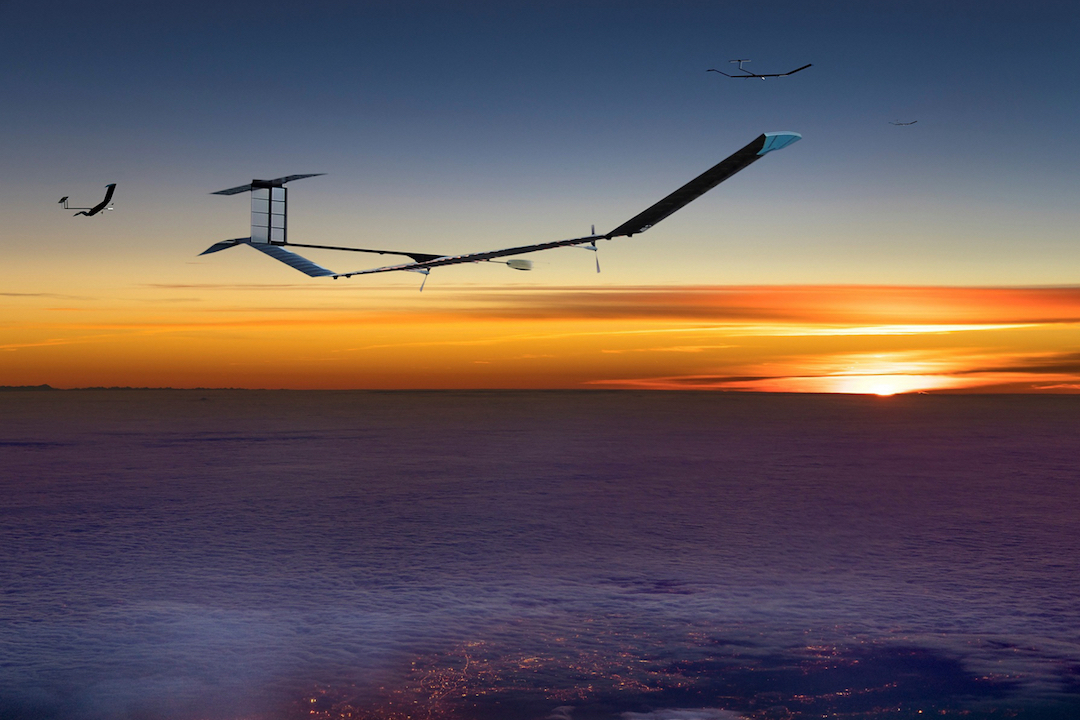
Welp. Just hours before Airbus’ solar-powered Zephyr drone broke the record for the longest continuous flight in history, it disappeared over Arizona, ending its commendable 64-day streak of staying in the air.
Ground controllers had unexpectedly lost contact with the unmanned aerial vehicle (UAV) on August 19, 2022. This wasn’t the first time the vessel had taken to the skies, with it having gone on several long-distance flights lasting over two weeks in the past, though this attempt was by far the farthest yet.
The flight was just shy of beating the current record holder for the longest recorded flight—a Cessna 172 Skyhawk that was airborne for 64 days and 22 hours.
Thankfully, despite the disappointing end to this journey, developers and the US Army will still be able to gather important information and data from its records, allowing further improvements to be made to the current iteration of the drone.
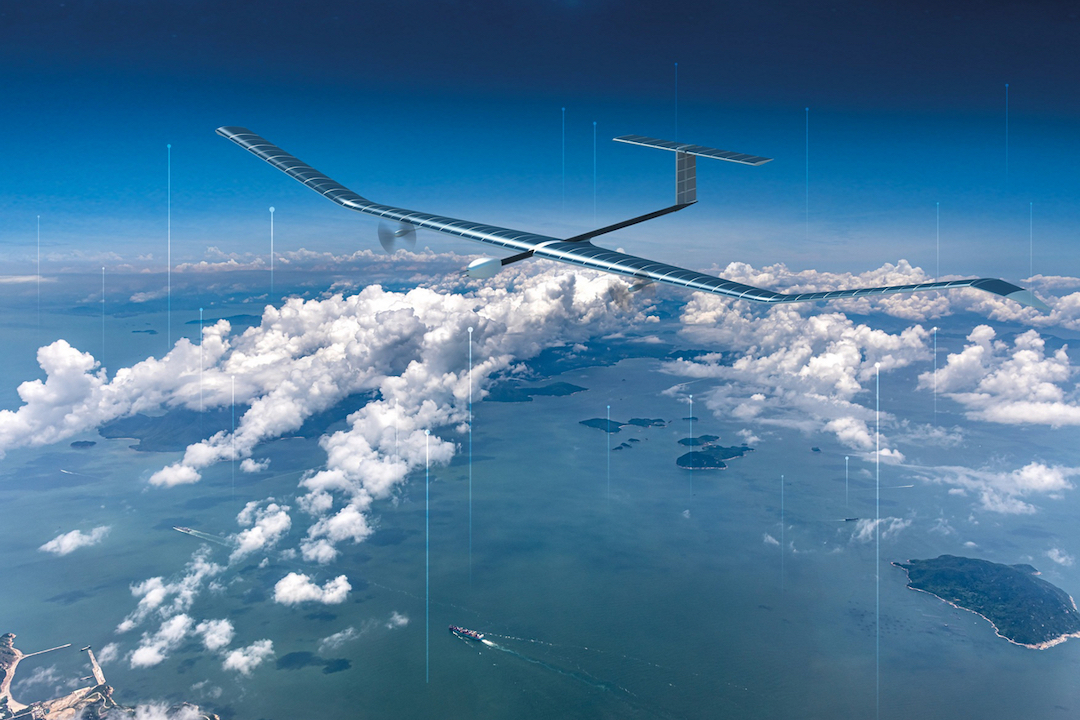
According to Simple Flying, data from ADSB Exchange showed the UAV cruising at 45,000 to 50,000 feet between Phoenix and Mexicali, Baja California when disaster struck. The vessel then descended vertically at increasing speed, probably crashing into the ground.
If you’re wondering how the Zephyr remained in the skies for weeks on end, it’s because it carried around an array of solar panels.
By flying high up in the stratosphere, the unmanned aircraft is able to avoid terrestrial weather, allowing it to absorb all of the sun’s rays for as long as possible throughout the day.
The energy is then converted to power the vessel’s propellers by night, enabling it to bypass the need to be connected to a charging port here on the ground.
Despite not smashing the record, the flight certainly was still a major milestone for long-range UAV flight and could pave the way for similar endeavors in the future.
[via Simple Flying and Flight Global, cover image via Airbus]


