
Danish ‘Synthetic Party’ With AI Leader Is Working To Get Into Parliament
Artificial intelligence has taken over myriad aspects of our lives, from allowing loved ones to converse with deceased relatives, to diagnosing diseases and even powering full-fledged robots.
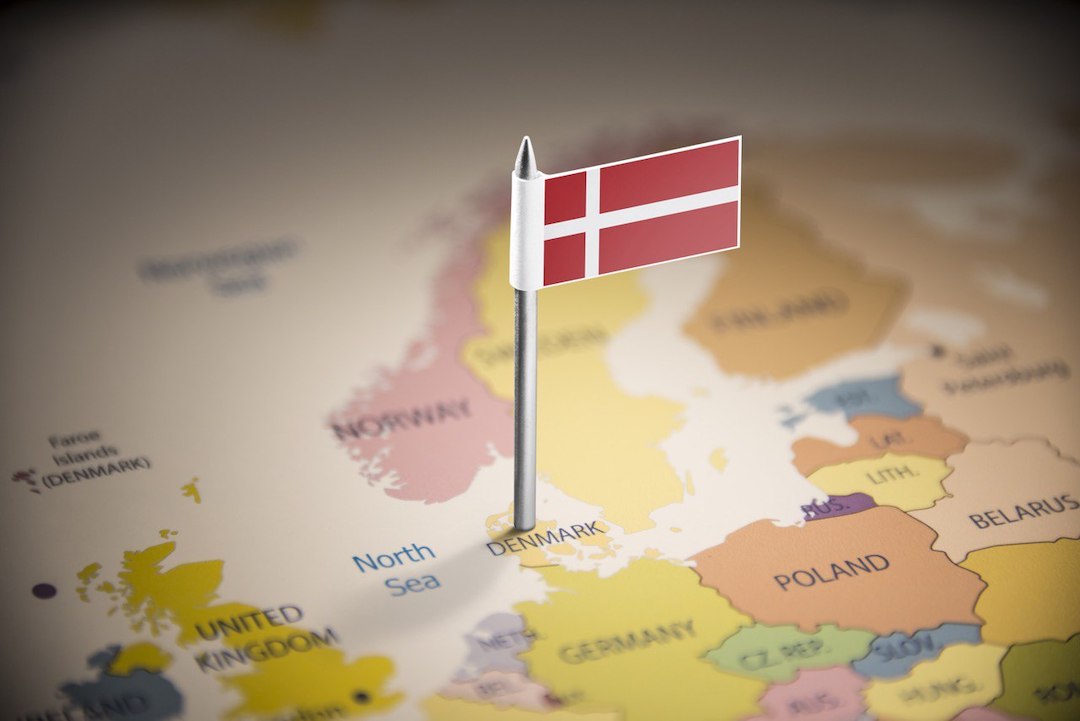
How would you feel if AI made its way into politics, and more specifically, the government? That’s the question Danish voters will have to contend with when they head to the polls in 2023.
This topic of discussion comes as artists collective Computer Lars has launched the Synthetic Party, which is hoping to enter parliament by way of electing an AI model to serve as its nominal leader.
In fact, members of the party have devised the system to analyze all of the country’s fringe parties’ publications since 1970, forming a model that allegedly represents the political leanings “of the everyday person.”
According to AFP, the collective hopes to reach out to the 15% of Danes who chose not to participate in the previous election, believing they had abstained from voting because they weren’t drawn to any of the traditional politicians.
The move is also an attempt at poking fun at the numerous small parties that have emerged and declined over the years, of which there are currently 230 active.
Part of the Synthetic Party’s proposals is to introduce a universal basic income of 100,000 krone (US$13,400) a month; though that seems unlikely, considering it’s more than double the average salary in the nation.
Naturally, the group is also calling for the addition of a new 18th sustainable development goal to the United Nations that would make way for “humans and algorithms to coexist more directly than now.”
Should the party be elected, it plans to incorporate the use of algorithms into the traditional political system, in order to address the needs and concerns of both humans and AI “within a democratic setting.”
Interested citizens can directly interact with the Synthetic Party’s AI model on Discord, while its members plan to host its first rally “for a human audience” next month.
It remains to be seen if this endeavor will bear fruit, considering the party needs to accumulate 20,182 signatures to stand for election, but currently only has four.
[via AFP and Voicebot.ai, cover image via Butenkow | Dreamstime.com]


