
Largest Star In The Known Universe Gets Its Clearest Picture Yet
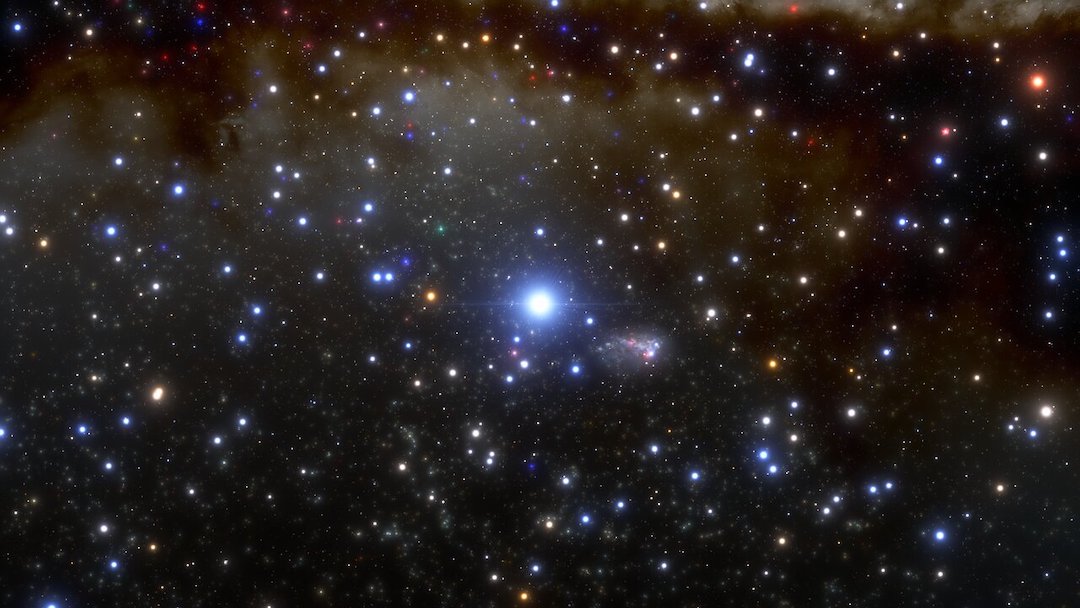
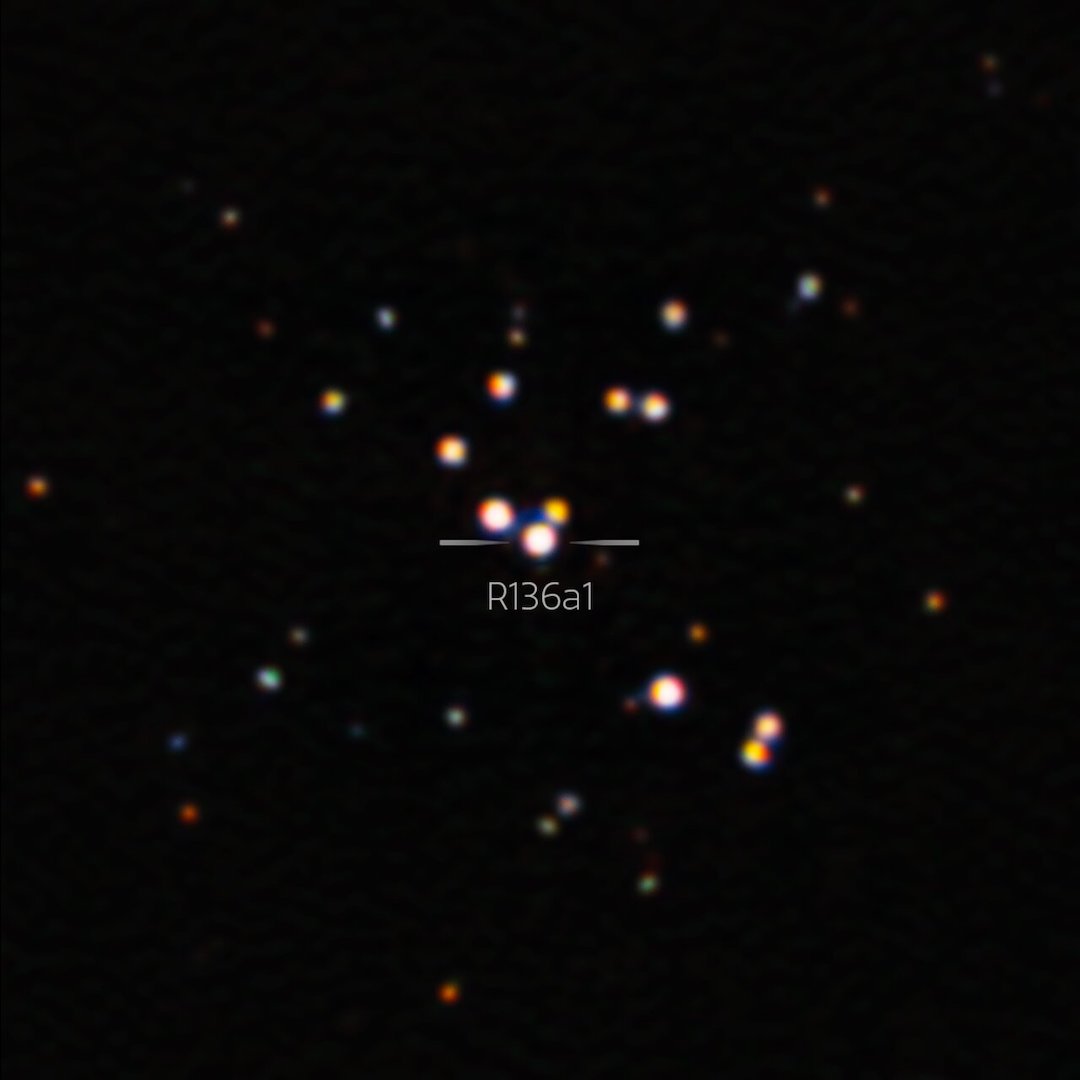
At 160,000 lightyears away, deep in a galaxy known as Tarantula Nebula, resides the largest star in the known galaxy. For years, we’ve never been able to see it clearly due to its distance. Finally, the sharpest picture of it has been captured.
The image was captured by the Gemini South Telescope using a Zorro imager, which is located in Chile. The results were published on NOIRLab.
It managed to look deep into the cosmos and capture the star, known as R136a1. However, a clear image isn’t the only thing scientists found.

The find also managed to uncover some perceived myths about the star. For a long time, scientists believed the cosmic finding was about 230 to 250 times the size of our Sun. However, the picture now corrects this claim and proves that it is only about 170 to 230 times bigger.
While it is not as big as it was once thought to be, it still remains the largest star we know of.
For context, the Sun in our own solar system could roughly fit a million Earths inside of it. So multiply that by 170–230 times and we’ve got this absolute monster cosmic orb on our hands. Or well, in our stars.
The study alludes to the fact that the upper mass of nebulas may actually be smaller than once thought.
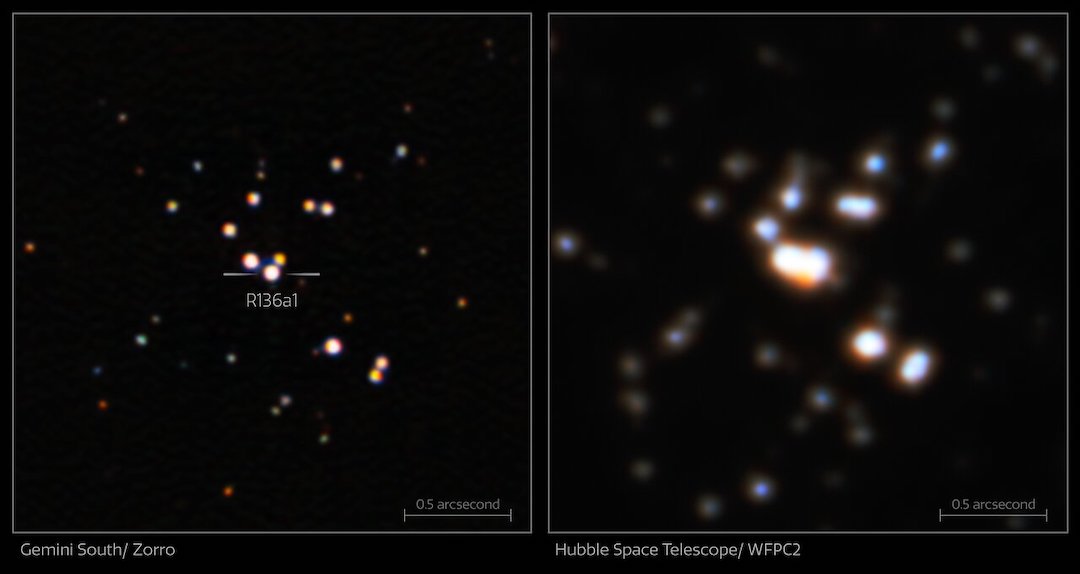
Within the research, a comparison image was released between what the Gemini was able to capture and what NASA’s Hubble had last caught of the mega-star.
Unfortunately, R136a1 is a dying nebula. A planetoid of that size doesn’t last long and has an average life span of a few million years. That is a noticeably smaller number than our own Sun, which has a 10 billion-year lifespan, of which it is not even halfway through yet.


