
Wildlife Caretakers Don Manure-Covered Panda Suits To Wean Bears Off Humans
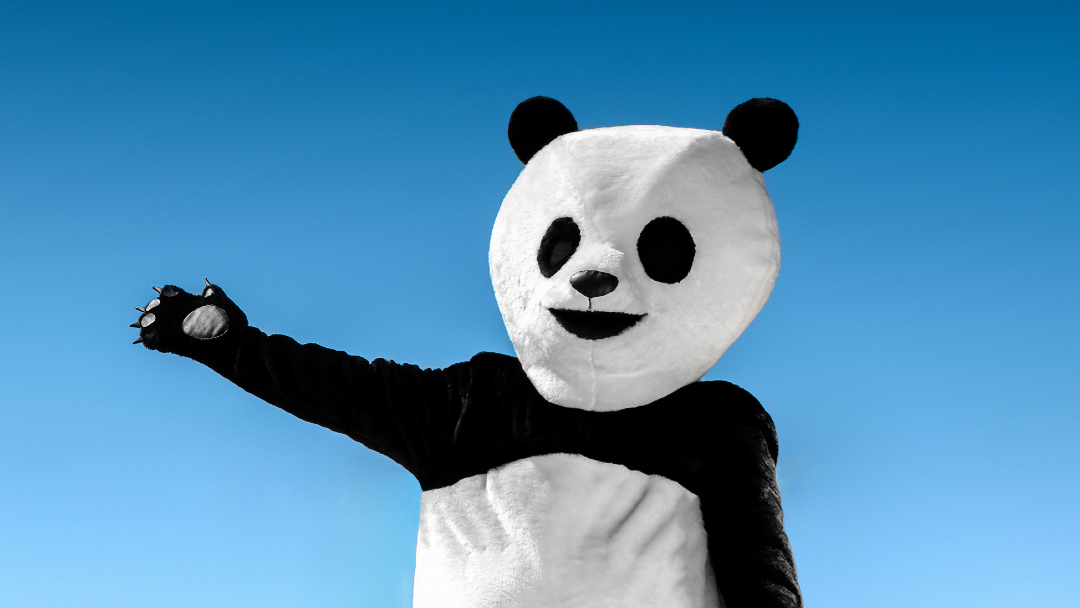
Photo 180194162 © Andrei Fedco | Dreamstime.com
A wildlife sanctuary in the southwest province of Sichuan in China is home to some 30 pandas. And then there are the human impersonators.
For years, caretakers at the Wolong National Nature Reserve—managed by the China Conservation and Research Center for the Giant Panda—have been tending to their lovable residents only after putting on panda costumes and soaking the suits in panda poop and pee.
The pandas living there probably have no idea that humans exist, or they have at least forgotten.
The idea is that by cloaking keepers in natural aspects of pandas, the bears will lose all memory of human interaction or reliance and better adapt to the wild when they are eventually released.
Accordingly, the suggestion about humans dressing up as pandas and smearing themselves in panda waste has been floating around since 2008. However, the unusual practice is once again amusing social media users in China after an influencer shared some old photos of the sanctuary’s caretakers in their very bear necessities on Weibo, the South China Morning Post (SCMP) reports.
Pandas are adorable creatures. Humans dressed as pandas? Not so. These are not mascots you’d want to meet at Disneyland.
‘A bit weird’: wildlife keepers in panda suits covered in bear’s faeces go viral https://t.co/e5aojG60F1
— South China Morning Post (@SCMPNews) August 25, 2022
“Aren’t pandas afraid?” the user questions. “Even though the workers are working hard to limit the impact of human beings on pandas, it still weirds me out.” The images have been viewed over 25 million times, says the report.
Imagining themselves in the eyes of the creatures, one person comments that released pandas might wonder why there were no wild bears like the ones of their childhood, who could stand up and walk. “Have they gone extinct?” jokes the person.
Photographer Ami Vitale had been taking pictures of pandas in conservation centers, including Wolong, for National Geographic for some years. She, too, put on a multi-sensory disguise so as not to stress out the bears or hamper the rewilding process.
National Geographic photographer Ami Vitale photographed pandas in Wolong Nature Reserve, China, in suit smeared with panda urine #womensart pic.twitter.com/0wYBEAyErX
— #WOMENSART (@womensart1) June 27, 2019
It is certainly bittersweet that the pandas will not remember their caregivers. Nevertheless, the goal is for them to shy away from human presence in the sanctuary and, finally, the wild.
Liu Dingzhen, a professor from Beijing Normal University who’s also the secretary-general of the Animal Behavior Society of China and the China Zoological Society, told Science and Technology Daily (via SCMP) that the routine has proven to be successful. The sanctuary’s pandas have been sighted hiding away upon encountering the strange and tall furless mammals but are comforted by the presence of the black-and-white suited creatures.
[via South China Morning Post and BuzzFeed News, images via various sources]


