
Scientists Run World’s Largest Experiment Of Dead Bodies In Suitcases
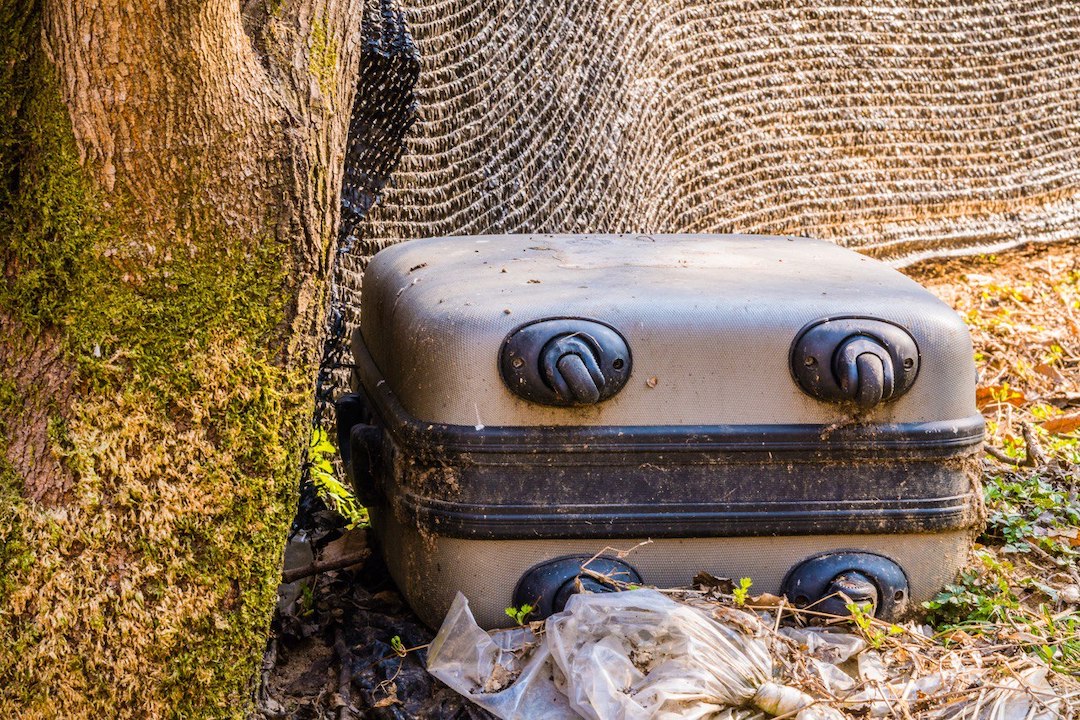
It’s a trope often seen in popular crime shows—an unsuspecting passerby chances upon a suitcase in the middle of the city, finding a dead body wedged into the small space.
It’s unfortunately something that happens often in reality, with the police having to investigate bodies showing up in luggages in train stations, on beaches, or even left on the side of highways.
Paola Magni, Senior Lecturer in Forensic Science at Murdoch University, explained that the use of suitcases in crime is so rampant as these items are accessible, easy enough to obtain, and can be transported on wheels even after being filled with a heavy body.
Such spaces are often referred to by researchers as “limited access environments,” as they impede the advent of the hordes of insects that often appear at the scene of a decomposing body.
When creepy-crawlies are present, forensic entomologists are better to able to assist in the investigation, such as predicting the time of death, but face a greater challenge when the body is concealed, with only two pilot studies having been done on the subject.
The World's Largest Experiment Simulating Dead Bodies in Suitcases Is Underway https://t.co/kWnfXbcnJ9
— ScienceAlert (@ScienceAlert) August 31, 2022
Hence, the team sought out to conduct the world’s largest experiment featuring bodies in suitcases, with nearly 70 luggages hidden in a patch of bushland in Western Australian. According to Magni, the study will help scientists extrapolate useful data that can be used in similar circumstances around the world.
Each suitcase contains a stillborn piglet—the replacement for an actual human body—with instruments kept on hand to record temperatures, humidity, and rain both in the containers and surrounding field.
Within a month, the researchers found egg clusters of blowflies gathering on and around the suitcases’ zippers, with larvae from the blowflies, coffin flies, and beetles active among the remains.
Once these larvae reach maturity and turn into adult flies, they’ll be unable to escape the suitcase, remaining behind to offer a wealth of information to the scientists, who will delve into their habits, growth rates, and even toxicology preserved in their exoskeletons.
The experiment began in winter in the Southern Hemisphere, with the results scheduled to be revealed at the world’s largest forensic science conference taking place in February next year.
[via International Business Times and The Conversation, cover image via Aminkorea | Dreamstime.com]


