
First ‘Chief Heat Officers’ Are Tackling High Temperatures In Own Unique Ways
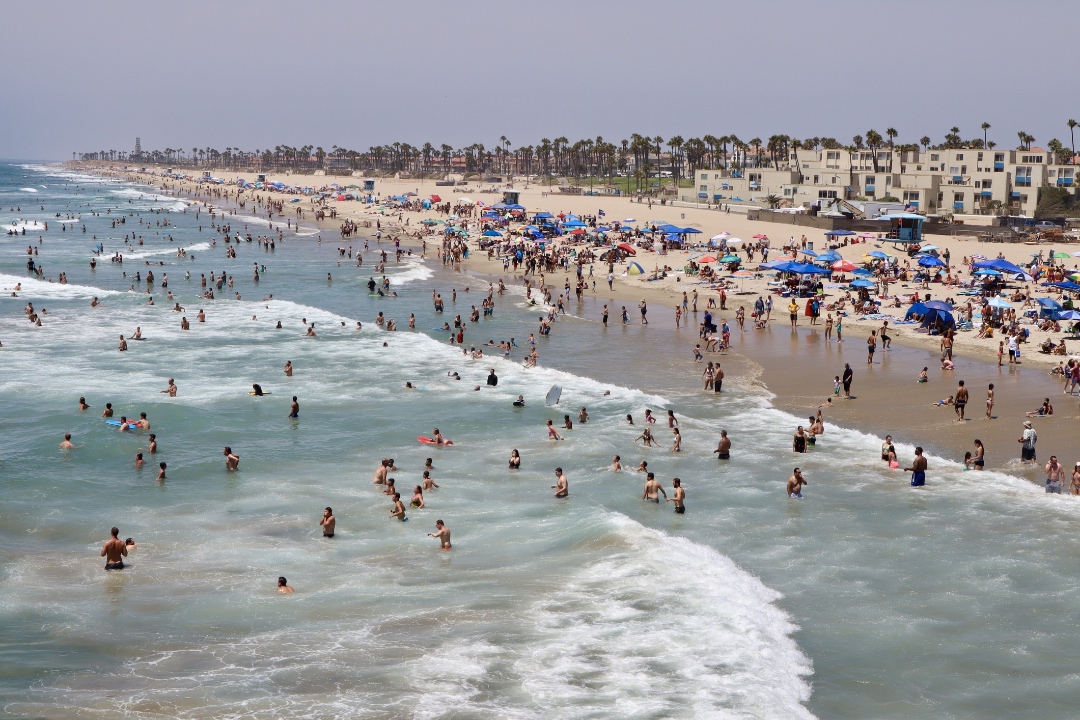
Photo 124073847 © KKfotostock | Dreamstime.com
Unlike other natural disasters like tsunamis and hurricanes, the effects of heat are less noticeable. The Washington Post, in fact, calls it “the silent killer.” And you don’t need another forest fire to tell you that the world is getting too hot.
About a fifth of the world’s major cities are on track to warming up by more than 4°C (39.2°F) by 2050. By 2100, temperatures for a quarter of them could rise by 7°C (44.6°F).
That’s why, three years ago, the Atlantic Council’s Adrienne Arsht-Rockefeller Foundation Resilience Center (also known as Arsht-Rock) embarked on a movement to get governments to appoint “Chief Heat Officers.”
Last year, the first of them, Jane Gilbert of Miami-Dade County in Florida, was announced—along with the first Global Chief Heat Officer, Eleni Myrivili, who’s also the head of heat management in Athens, Greece. Since then, such titles have also been allocated in Los Angeles; Freetown in Sierra Leone; Santiago; Monterrey in Mexico; and Phoenix; to mitigate the impact of extreme heat.
Athens
In Athens, officials are turning to the Hadrian Aqueduct, an ancient water supply source built around 140 AD. Emperor Hadrian had intended for it to transport clean drinking water through a 12-mile tunnel, but the water can no longer be used as it is now polluted with waste.

Nevermind that, as Myrivili and her team are intending to repurpose the filthy water to irrigate a new vegetation corridor in Athens, says the Post. They also plan to install small green spaces—including “pocket parks”—for locals to weather high heats with greenery and shade.
Los Angeles
This June, Marta Segura was named Los Angeles’ first Chief Heat Officer, and she’s also the first Latina in the US to fill in the position. “Extreme heat is our primary climate hazard,” Segura tells Reasons to be Cheerful, as the city suffers the most weather-related emergencies in California, topping even Arizona.
Segura, whose mother had worked in San José’s steamy canneries and father nearly died while working in the fields from extreme heat, has deep-rooted concerns about how sweltering temperatures can affect people’s lives.
CEMO Director Marta Segura @Segura4Change has been appointed LA's first Chief Heat Officer. In this new role, she will oversee the City's response to extreme heat, LA's primary (and deadliest) climate hazard. Read more: https://t.co/2VjHMkPHed pic.twitter.com/QmTMZi33D8
— City of LA - Climate Emergency Mobilization Office (@CEMO_EJ4LA) June 3, 2022
Due to the urgency of the heatwave, Segura is first zeroing in on “the easy wins,” such as setting up a “cooling network” of shops and fast-food restaurants for people to rest at and have a drink of water for free.
There are also plans to plant thousands of new trees in Los Angeles, especially in the homes of historically-neglected communities. As Heat Chief Officer of Los Angeles, Segura is devoting more of her time on the poorer neighborhoods, which are often the homes of marginalized Black and Hispanic communities.
Miami-Dade County
Jane Gilbert, Miami-Dade County’s Chief Heat Officer—and also the first in the world to officially helm the role—is also considering the tourists who frequently swarm to Miami to enjoy the warmth. “We are a party town,” Gilbert tells Reasons to be Cheerful. “And this increases the risk that tourists might not pay attention to their water hydration.”
Beyond planting trees in at-risk areas—with hopes to grow their tree canopy from less than 10% to at least 30% in 10 years—Gilbert is working to get a building code amendment to mandate cool roofs on larger commercial architecture.
Gilbert, who studied environmental science at New York’s Barnard College and had been working in environmental nonprofits in Central and South America for years, is also installing backup generators in nursing homes and public shelters to be used for cooling during emergencies.
These are just a few ways the Chief Heat Officers of the world are beating the heat. In time, as more of them are appointed, we’ll be introduced to new techniques that are hopefully even applicable across the board.
Everyone has a part in keeping Earth cool. Here’s how brands and the creative community are actively confronting the heat.
[via Reasons to be Cheerful, Washington Post, One Billion Resilient, images via various sources]


