
Plants Are Downing Alcohol To Help Survive Droughts In New Study
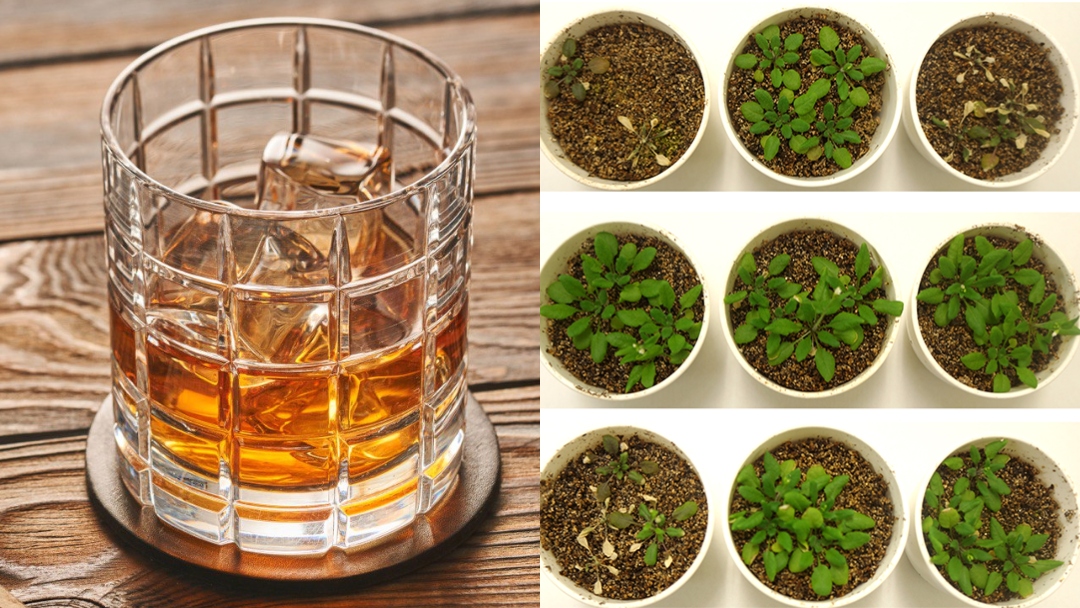
Alcohol may dehydrate human drinkers after a long night of partying. However, in plants, it keeps them hydrated for weeks on end.
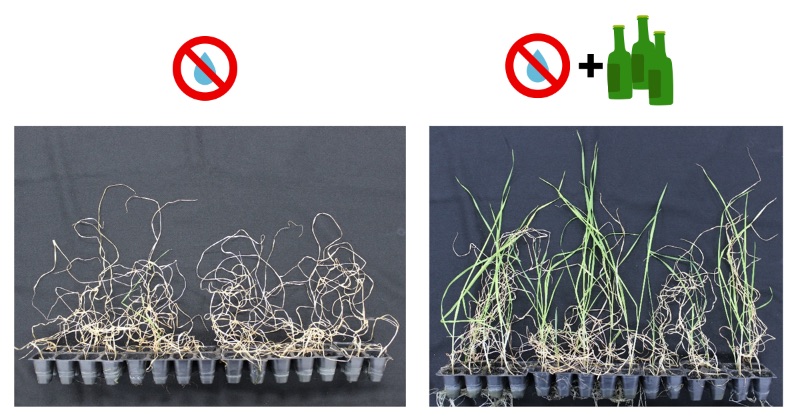
A team of scientists from Japan has found that greenery that was fed ethanol kept them from dying out during a lack of rain. The RIKEN Centre for Sustainable Resource Science discovered that the alcohol kept the plants from losing water and could sustain them through a dry spell.
Scientists gave the crops a botanical version of pre-gaming with ethanol injected straight into the soil of wheat and rice for three days. The vegetation could survive up to two weeks of drought-like conditions. 75% of the ethanol-injected subjects survived upon being rewatered at the end of the two weeks, while less than 5% of the control set who were not pretreated with ethanol survived.
Next, the study focused solely on a model Arabidopsis plant and found that the plants that were fed alcohol had closed their stomata and their temperature rose. When it came to the 11th and 12th days, they retained more water than the untreated set.
The researchers also examined the gene makeup of the Arabidopsis before and after the treatment. They discovered that even before the plants were deprived of water, the genes began to behave as if they were already in desiccation.
This led scientists to believe that vegetation that is treated with ethanol before a drought can take place is given ample time to prepare for when the actual event happens. They are able to properly store water and food before the dry season hits.
Ethanol induction is a cost-effective way for farmers to safeguard their crops. It also means that previous research done to modify the genes of crops to adapt to aridity may take a backseat.
The team hopes to apply the findings in the Arabidopsis to large-scale farming and protect food harvesting from suffering as temperatures begin to soar around the world.
[via Good News Network and ScienceDaily, images via various sources]


