
Oldest Evidence Of Surgical Amputation Dates Back 31,000 Years
While surgical amputations are not uncommon in today’s day and age, have you ever stopped to think about how our ancestors treated such conditions thousands of years ago?
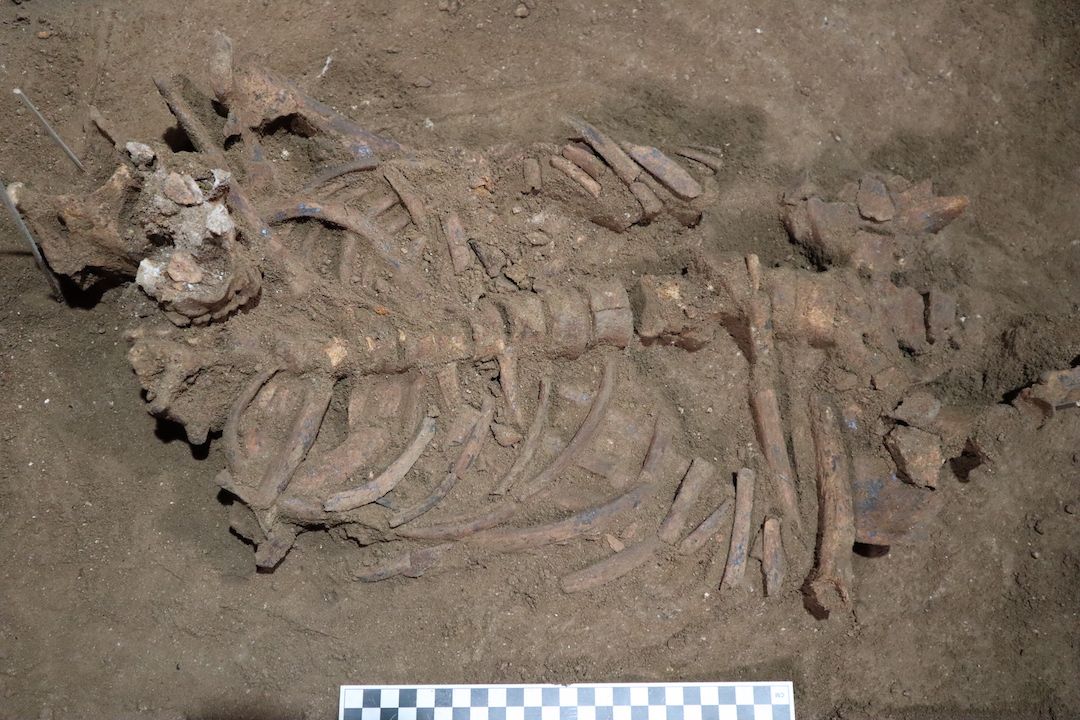
Researchers could be one step closer to uncovering the truth behind that, as they recently discovered a human skeleton in Indonesian Borneo that was missing its lower left leg—the oldest ever evidence of the medical procedure to date.
Buried in a limestone cave in East Kalimantan, a team of Indonesian and Australian researchers, co-led by Archaeologist Tim Maloney from Griffith University, had been the ones to excavate the centuries-old body. 31,000 years, to be exact.
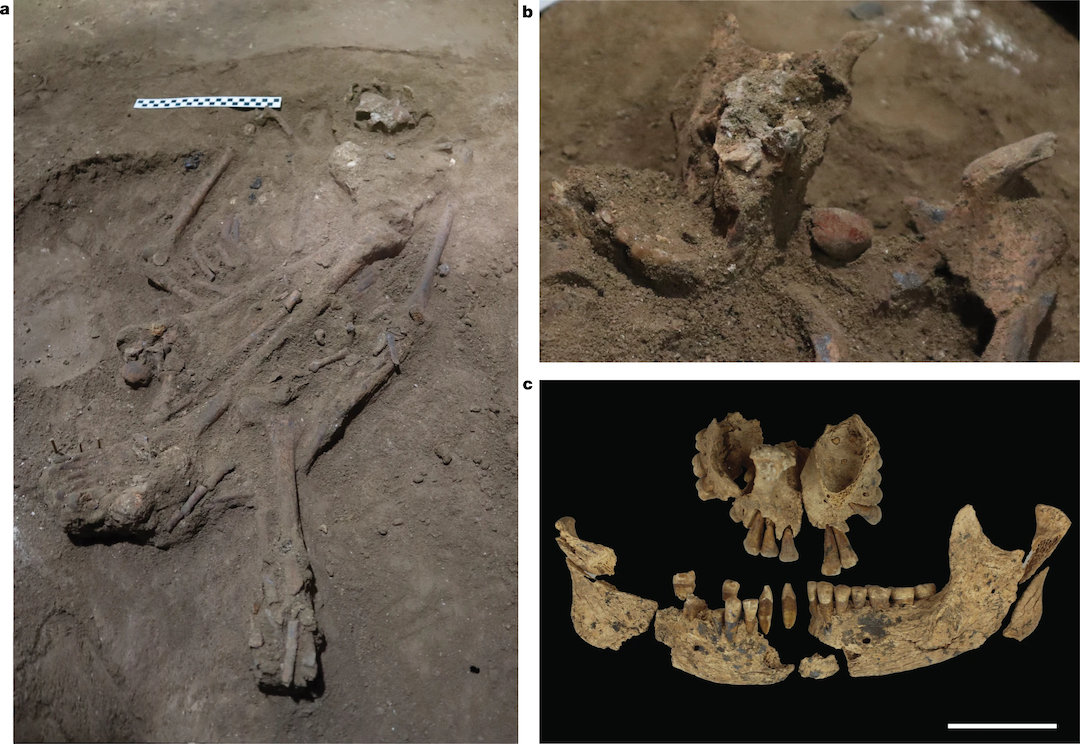
ScienceAlert noted that before this discovery, the earliest evidence found of amputations was a 7,000-year-old skeleton dug up in France, making this body considerably older.
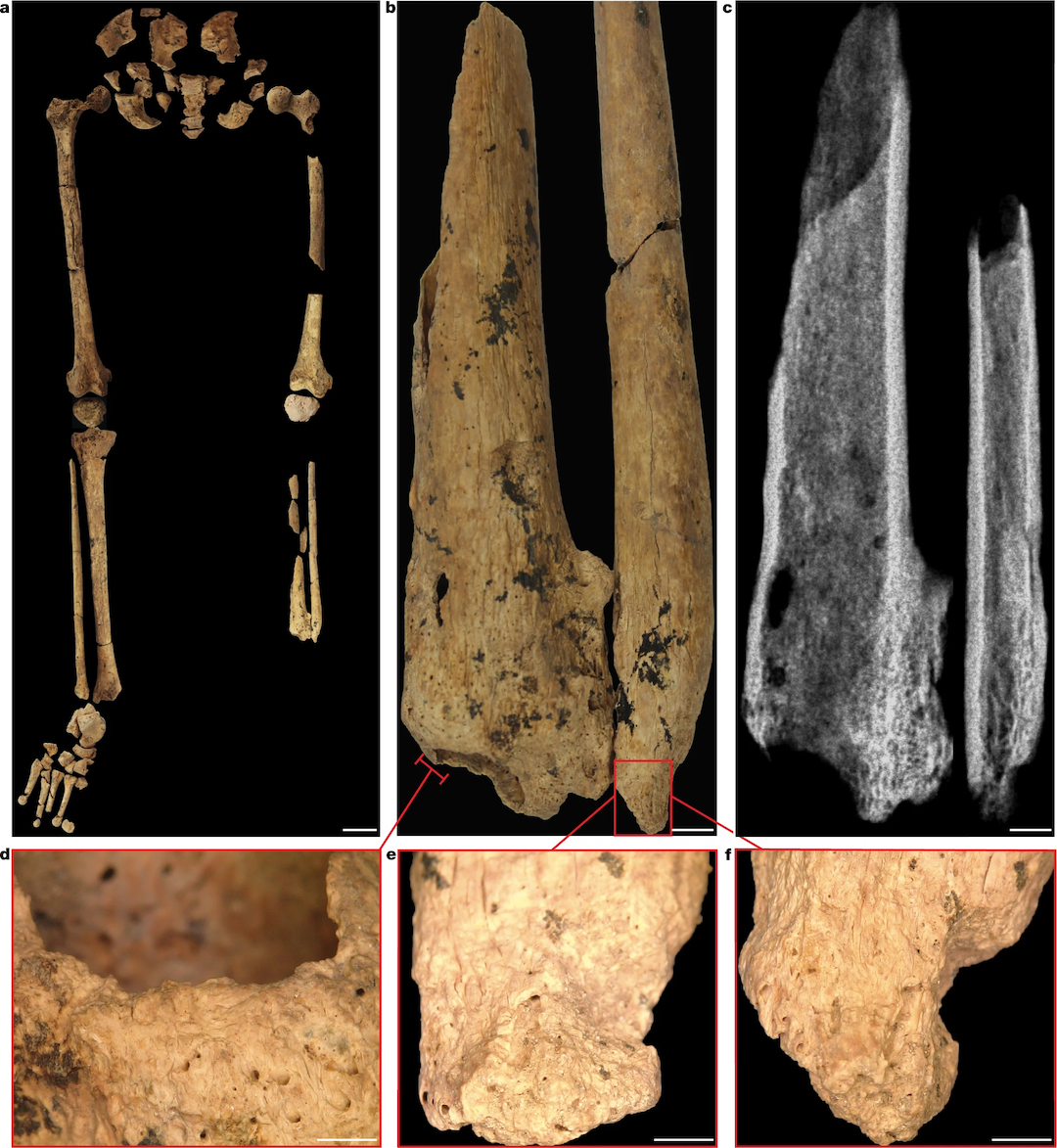
The team surmised the young individual had probably had their left foot removed as a child, with the wound healing well enough for the person in question to have lived at least another six to nine years before passing on.
According to the study, the trauma pattern seen on the body didn’t seem like non-surgical amputation, but instead had “clean oblique sectioning” and not the trademarks of an accident or animal attack that typically included “comminuted and crushing fractures.”
While it is still unclear if such an “operation” was commonplace, or a rare and isolated incident in the region during that time period, there’s no doubt scientists will learn a lot about the early days of surgery from this incredible discovery.
“The discovery of this exceptionally old evidence of deliberate amputation demonstrates the advanced level of medical expertise developed by early modern human foragers,” the researchers concluded.
[via ScienceAlert and Maloney et al / Nature, cover image via Tim Maloney / SciMex]


