
Scientists Laud New Malaria Vaccine As Potentially ‘World-Changing’
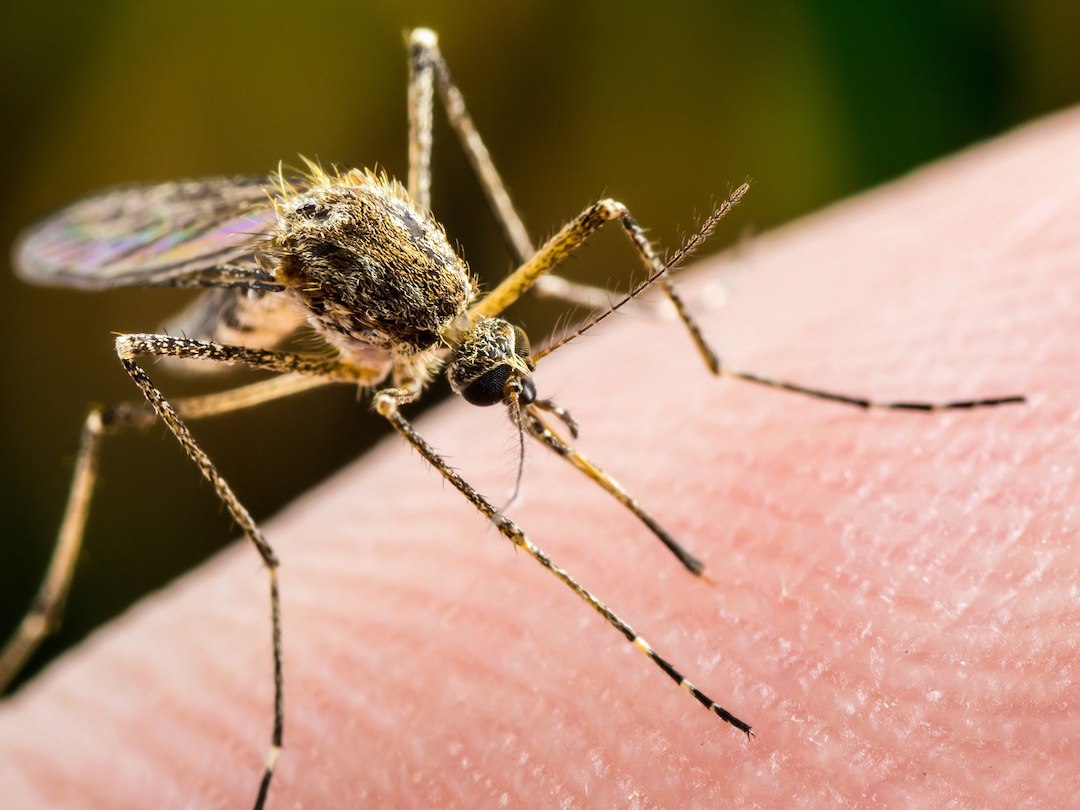
Malaria is no doubt a significant public health issue, with the World Health Organization (WHO) revealing that over 241 million cases were reported in 2020, with a total of 627,000 deaths.
To make headway in the fight against the disease, scientists at the University of Oxford have come up with a new vaccine that could potentially have “world-changing” implications.
According to the BBC, the newly-developed vaccine is affordable to manufacture, with the team already having secured a deal to produce more than 100 million doses annually.
The impact of the research could be so great, the charity Malaria No More went so far as to say that the progress could see children dying from the disease end “in our lifetimes.”
Being incredibly complex, it has taken over a century for researchers to come up with effective malaria vaccines, considering the parasite—usually spread by mosquitoes—is often elusive and shifting, making it difficult to target.
Only last year did WHO green-light the first ever vaccine for the disease, which was developed by pharmaceutical giant GSK.
Now, the Oxford scientists say their vaccine is not only more effective, but it can be produced at a larger scale than before.
Publishing their findings in a study, the vaccine proved to offer up to 80% protection with three initial doses followed by a booster a year later, which the team says is the best data in the field for any malaria shot.
Going forward, the researchers hope to get the vaccine approved in the near future, and are gearing up for a larger trial involving 4,800 children by the year’s end.
[via BBC and Anadolu Agency, cover image via Konstantin Nechaev | Dreamstime.com]


