
3D-Printed Glasses For Colorblind Tailor Views Based On What They See
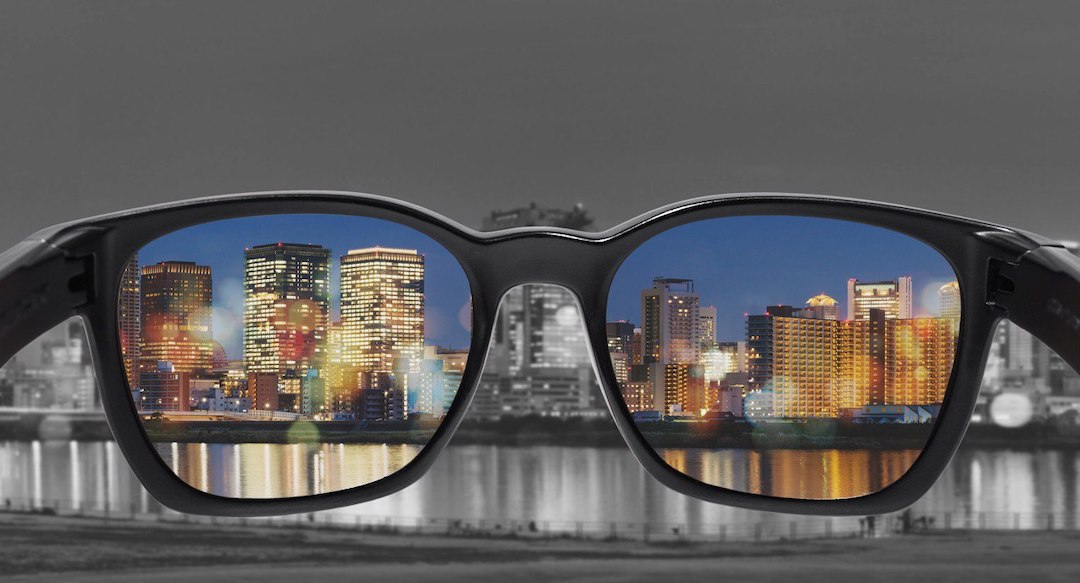
A pair of 3D-printed glasses may not sound revolutionary, but to some of us, they could paint our world in color.
Researchers at Khalifa University in Abu Dhabi have made a very special set of glasses that allows the colorblind to view the world in color. The study was first published in Advanced Engineering Materials.
The lenses of the eyewear are printed with a translucent resin, which is mixed with dyes that filter light at different wavelengths. The result is a set of lenses that can adjust hues according to what the user is seeing.
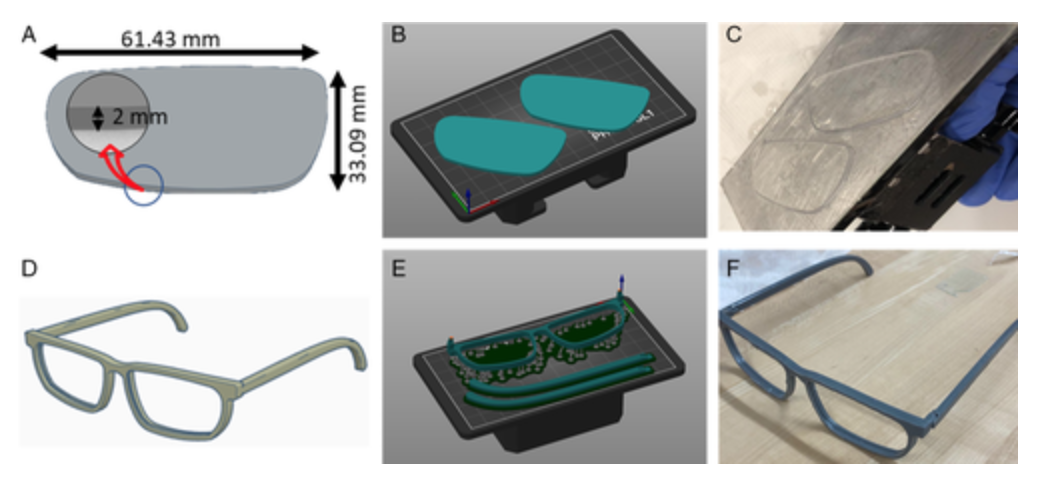
The research team used three different dye concentrations to create the lenses and tested their product against other commercially-available solutions. The team found that their spectacles were more selective at filtering out different shades.
There’s a wide spectrum of color vision deficiencies (CVDs). The most prominent of them is red-green blindness, also known as deuteranomaly, where people cannot differentiate between both. The eyeglasses help filter and distribute the color as the eye sees it, allowing the brain to send better signals to distinguish the hues.
Two different dyes were used during printing—one blocked out unwanted wavelengths for red-green blindness and the other filtered the wavelengths for yellow-blue blindness.
Thanks to the customizable nature of 3D printing, Dr Haider Butt, who worked on the project, notes that the spectacles can be adapted and customized to anyone’s face shape and degree of colorblindness.
3D printing was also chosen as a means to keep the spectacles sleek and comfortable on the wearer’s face. However, as 3D-printing ink can be toxic, the glasses were left to soak in water for a week to test their durability. The team found afterward that there wasn’t any leakage of the dyes, proving their permanence.
[via Tech Times and Khalifa University, images via various sources]


