
Smarter X-Ray Can Scan For Explosives In Luggage & Tumors In Humans
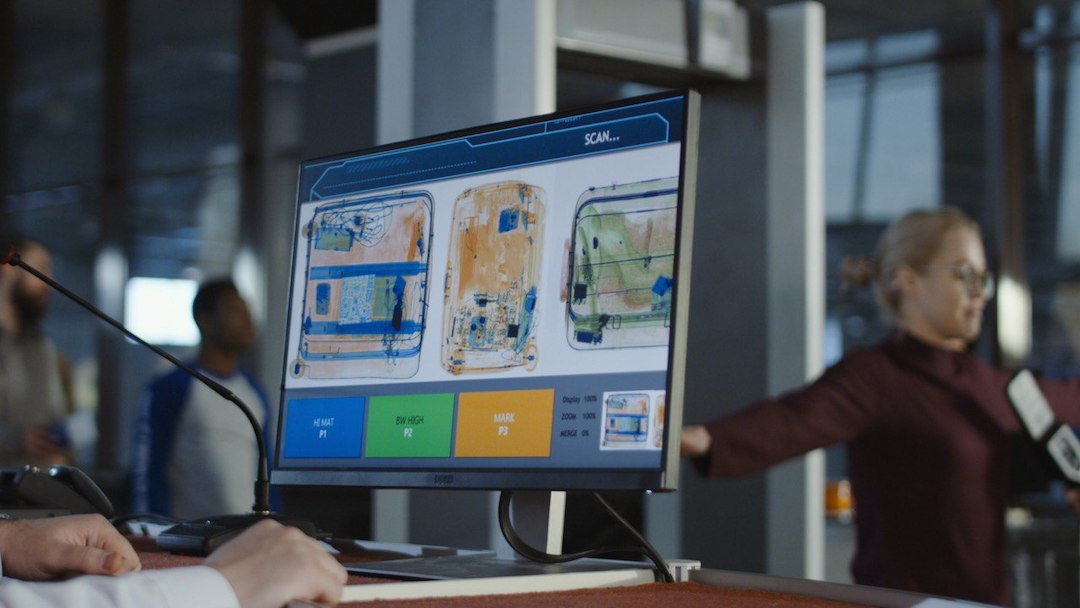
As smugglers take to hiding explosives and drugs within other objects, they can sometimes go undetected during security screening. A new deep-learning X-ray seeks to eliminate this problem and bring aid to the medical field as well.
The X-ray was developed by researchers at the University College London (UCL) with Nylers Ltd and XPCI Technology Ltd. The study, which was published in the Nature Communications journal, saw a new type of AI screener that can detect even the smallest amount of semtex or C4 hidden within someone’s belongings.
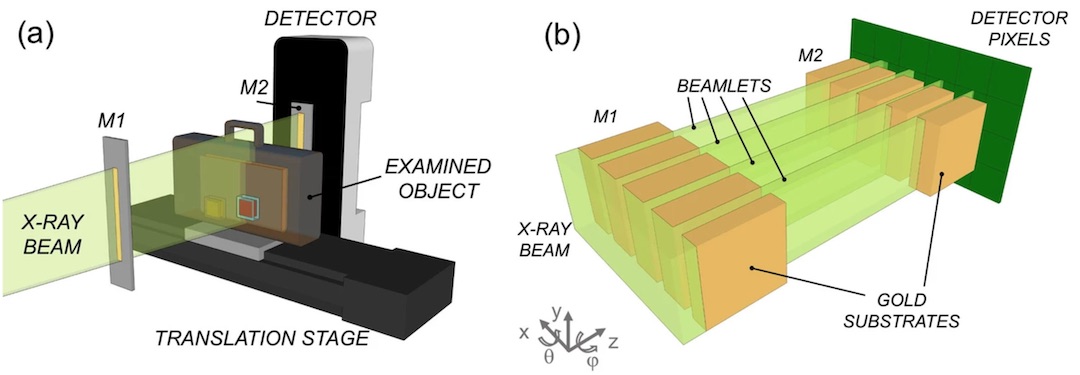
X-rays create little bends when scanning different objects. The researchers sought to take advantage of these bends and develop a system that could better identify contraband materials.
To do so, the team modified a regular X-ray machine and embedded it with a deep-learning system. They first used a box of masks, which were actually sheets of metal with tiny holes poked into them. The sheets of metal helped segregate the beams that were cast from the machine into smaller beamlets.
As the beamlets shone through the box, the refractions of the rays were able to be sized down to a microradian (roughly 20,000th the size of a degree).
Once that had been done, the team gathered small amounts of semtex and C4 and hid them within a camera, a phone, and a hair dryer, before passing them through the scanner. The picture below shows the difference between using a normal scanner and the modified one. Photos C and F reveal the texture of the explosives that were hidden.
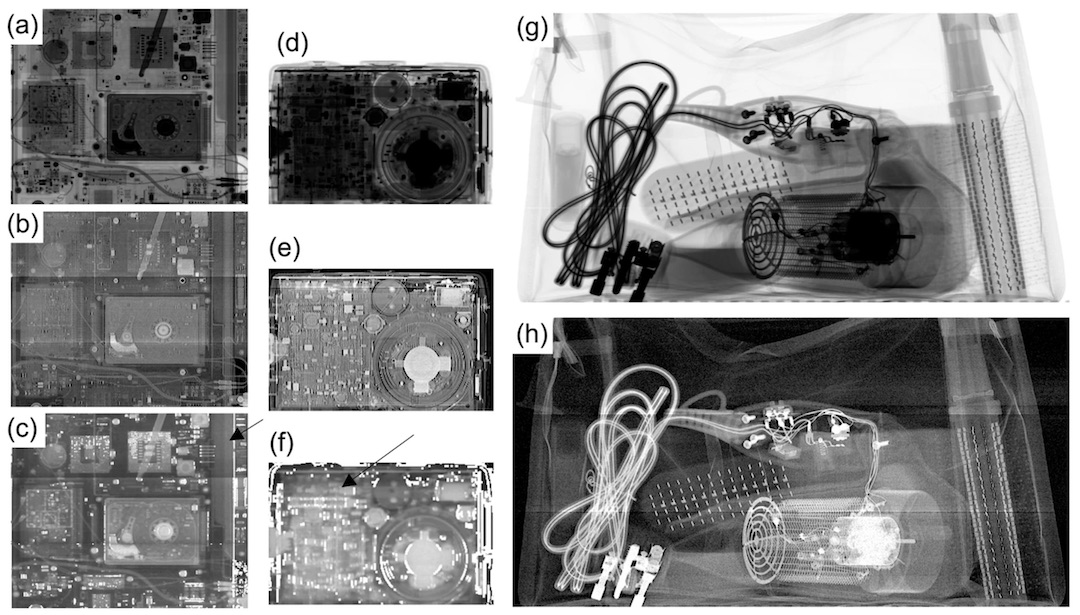
The deep-learning system was then trained on what these materials looked like and to pick them up based on a pattern of angles.
Under lab settings, the scientists found their research to have complete accuracy. However, it was noted in the study that it would be unrealistic to expect such results in a real-world setting.
So, how does sussing out explosives translate to the medical field? The scientists on the team found that the way the X-ray can detect tiny objects and learn the pattern of different materials, it can be taught to also look out for very small tumors that can often be hidden by organs.
The X-ray, however, is not ready for airports or transport hubs, let alone the hospital. However, this discovery could be a good step to better safeguarding our skies, seas, and bodies.
[via Tech Xplore and MIT Technology Review, images via various sources]


