
Are Tattoos Reproduced In Video Games Subject To Copyright? Court Weighs In
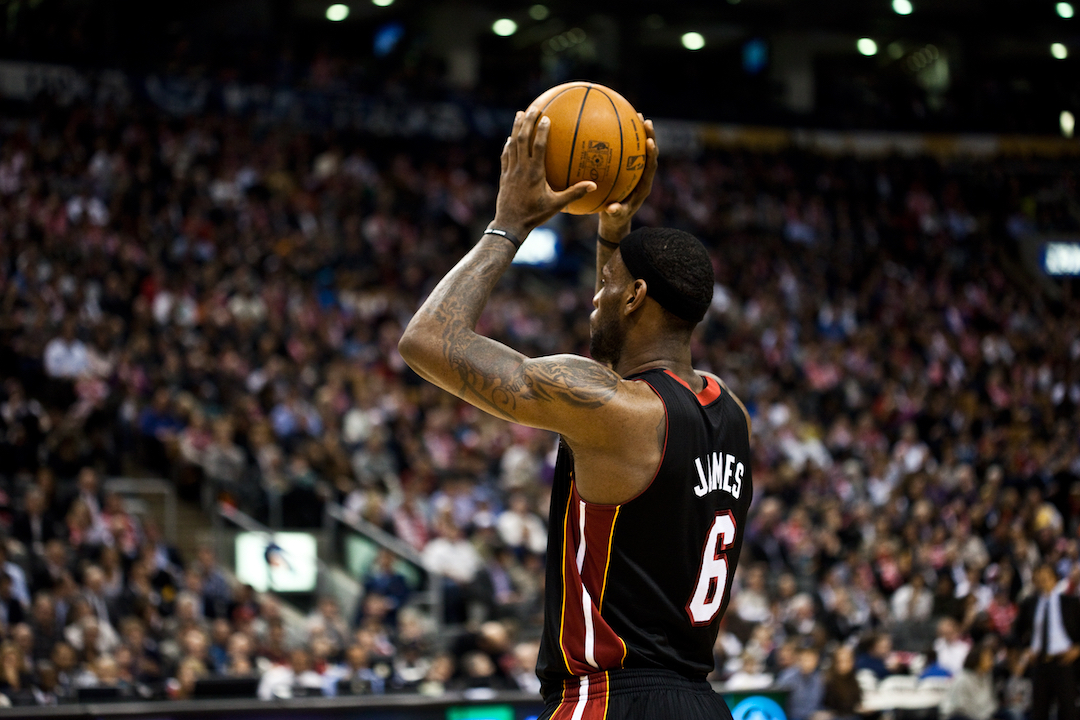
With the world’s most prominent leagues lending their star appeal to popular video game titles, top athletes are drawing fanfare in the world of virtual sports.
That trend raises a question: As famous athletes get digitally remodeled to detail, are game makers allowed to reproduce their tattoos without permission from the artists who inked them?
A federal judge in Ohio recently ruled that the tattoos—which are artworks in themselves—are indeed copyrighted, though the verdict is still out in the hands of the jury to determine if body art appearing in the NBA 2K video game series can be deemed fair use.
Courthouse News was the first to report the recent ruling, which began with six tattoos that James Hayden, founder of Focused Tattoos in Cleveland, designed for NBA stars Danny Green, Tristan Thompson, and most famously, LeBron James.
According to Artnet, the artist had registered the tattoos with the US Copyright Office, which led him to file a lawsuit in 2017 against NBA 2K for “unauthorized use” of his designs on the portrayals of the players in its annual video game series.
2K Games, the defendant, argued that Hayden’s designs, among which include what it described as “copied from Michelangelo’s Sistine Chapel fresco” and “the logo on a playing card”, were not original enough and claiming “ownership of works belonging to others.”
The company further elaborated that the artworks form a minuscule component of gameplay—which it claims “only appear on three players out of 400” avatars—it felt the use of the designs would constitute as de minimus use. In addition, two of the tattoos are not visible as they were “covered by the players’ jerseys.”
That degree of observability, though, will be determined by a jury, “as is the importance of their use to the video game as a whole.”
A similar case had been filed in 2020, when a Manhattan federal judge ruled that the tattooists “necessarily granted” their NBA customers non-exclusive licenses to showcase the works as part of their likeness, even in video games.
Regardless, the ongoing case has certainly made industry players pause and ponder: if athletes allow their identities to be realistically portrayed, wouldn’t that mean that their body art has implied permission too? Imagine Dennis Rodman sans ink.
Unfortunately, there’s no black-and-white answer to that yet. While Judge Christopher A Boyko found that Hayden’s tattoo designs were under valid copyright, the jury will return at a later date to draw the eventual winner.
[via Artnet News and Courthouse News, cover image via Dgareri | Dreamstime.com]


