
European Space Agency Unfurls Program To Test Miles-Long Solar Power Stations
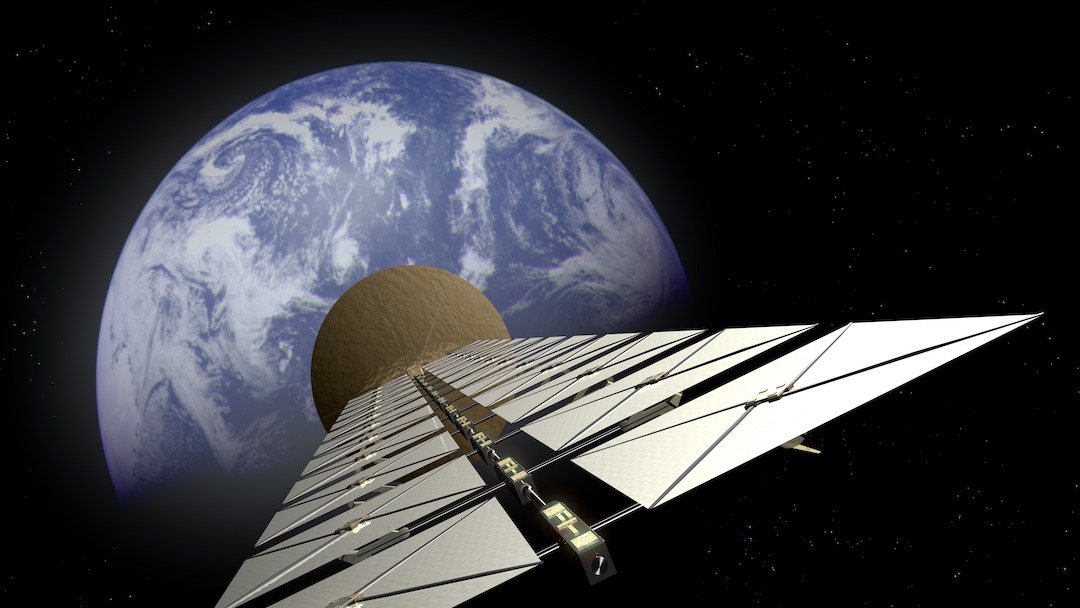
Last month, the European Space Agency (ESA) introduced an otherworldly idea for solar panels: constructing the continent’s first space-based solar power system.
Hoping to complete this endeavor by 2025, the 22 member states proposed tapping on the orbital source of energy as a way to break away from fossil fuels, and lower the group’s overall greenhouse emissions.
As the organization pointed out: “The sun never stops shining in space, and sunlight is much more intense there than on Earth’s surface. So what if we could gather that energy up in space then beam it down to Earth?”
While the idea may sound akin to something out of a sci-fi movie, recent studies conducted by the ESA’s Basic Activities program have indicated that the concept is theoretically workable.
Of course, the path to decarbonizing the energy sector remains a long one, with uncertainties and technical challenges needed to be worked through.
To tackle this, the ESA has proposed launching a new research and development initiative to look further into the concept and the technologies needed for its success.
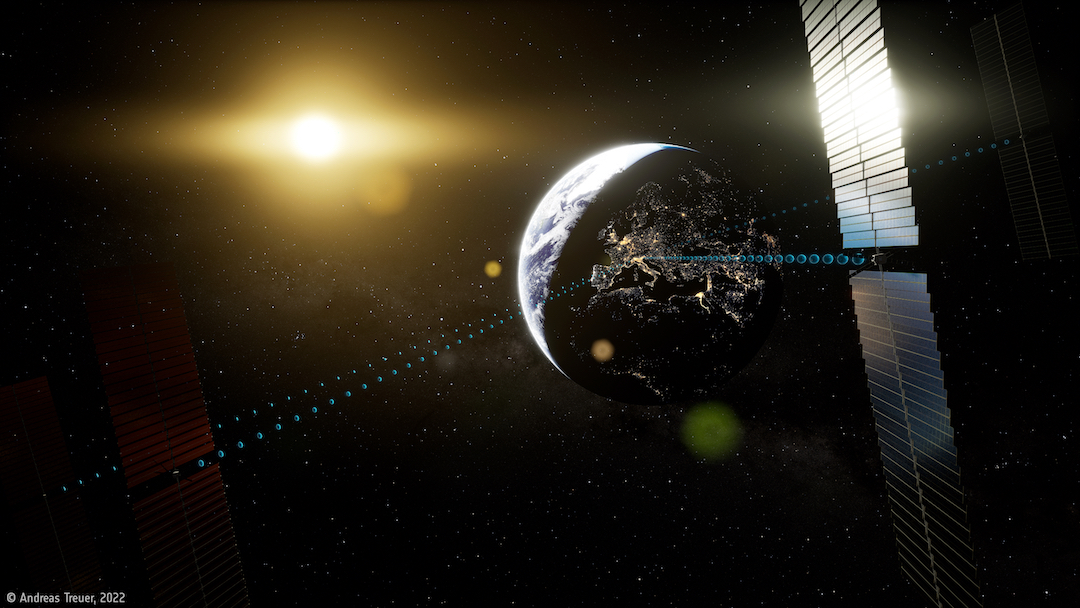
Dubbed SOLARIS, the project, alongside others researching geothermal and nuclear fusion energy, will help decide if space-based solar power is indeed feasible.
According to the agency, the satellites in orbit would work by harvesting sunlight round the clock, converting it into low-power density microwaves that can be safely beamed down to receiver stations on Earth.
While this seems simple enough, it would have to involve building satellites on a scale of several miles in size, as well as the collecting ‘rectennas’ awaiting the signals back here on the ground.
Naturally, constructing such a mega project will require technical advancements in multiple disciplines, along with the need for research into the possible effects the microwaves may have on human and animal health.
“These are the kind of technical questions that SOLARIS will look into, to explore further the feasibility of the concept, so that Europe could make an informed decision in 2025 on whether to proceed with a Space-Based Solar Power program in the future,” explained Sanjay Vijendran, ESA’s Lead for the SOLARIS proposal.
“Considering the climate and energy crises, and the rapid strides we’re making in space capabilities, now is the time to investigate if Space-Based Solar Power can be part of the solution—it’s the responsible thing to do,” he added.
[via Interesting Engineering and European Space Agency, images via European Space Agency]


