
NASA Releases First Images From Satellite Crashing Into A Meteor
If you’ve been keeping up with space news in the last week, you would know that NASA has intentionally launched a satellite into space to crash against an asteroid. The purpose of the mission was to test out planet defense tactics and to see if we can protect ourselves from future incoming meteors.
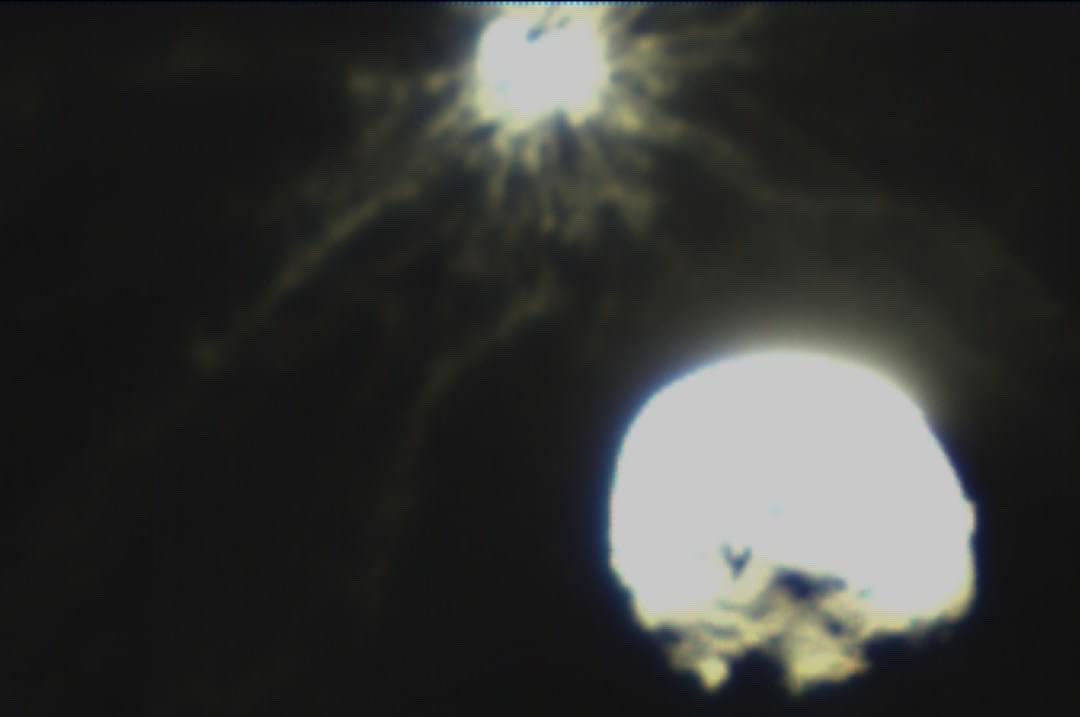
The mission prove successful as DART (Double Asteroid Reaction Test) hit the target meteor Dimorphos, part of a comet system with Didymos, and knocked it off its course. In doing so, DART was able to capture up-close images of the moonlet before the collision. And with that comes post-impact photos showing the damage the satellite has caused.
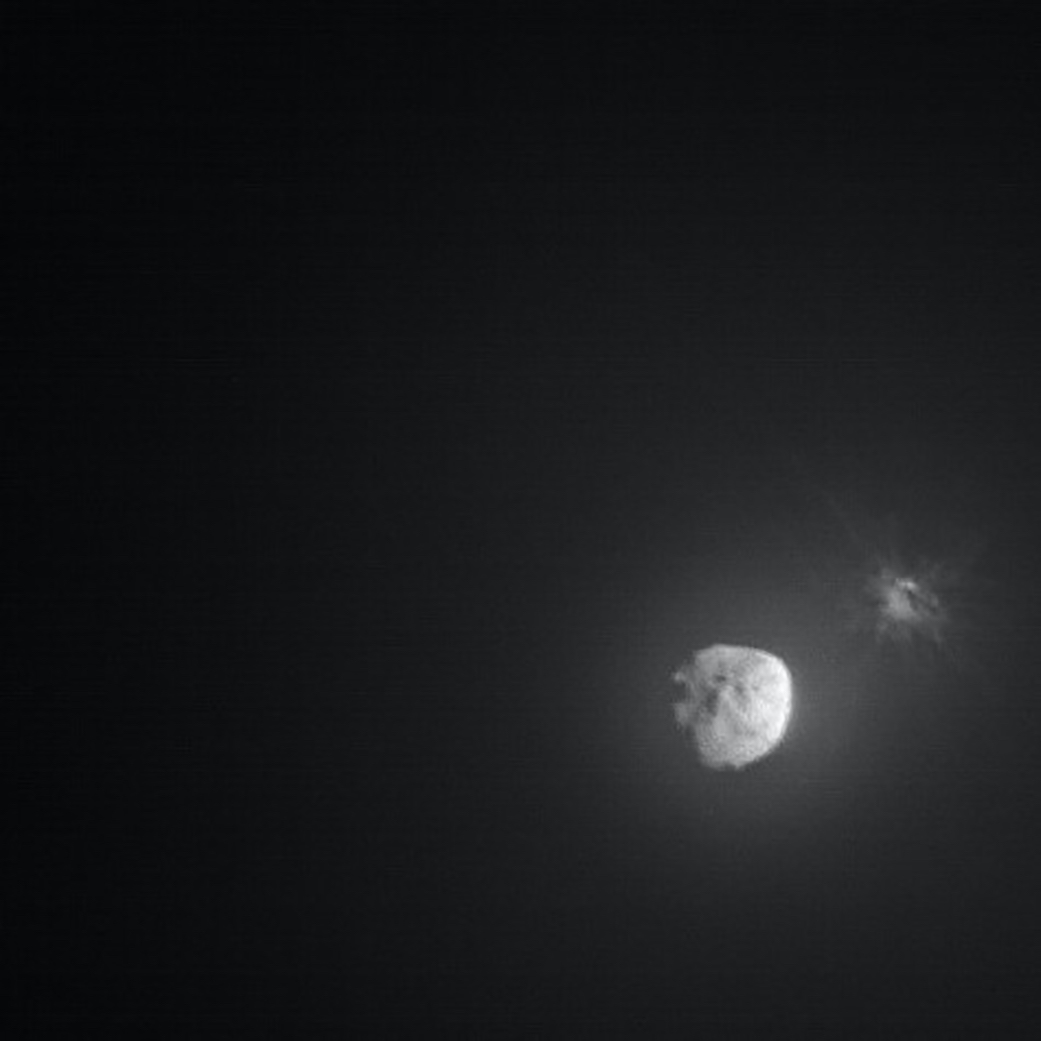
DART released the Light Italian Cubesat for Imaging of Asteroids (LICIACube) just before it hurled into the comet to take pictures of the event.
The LICIACube had been orbiting the Didymos and Dimorphos when it captured shots of the crash site. Two cameras fitted onto the spacecraft in the images caught bright debris flashes. Once the images were captured, it took about five hours for them to be sent back to Earth, which was seven million miles away from the asteroid system. LICIACube also documented footage of the Dimorphos from the opposite side of the wreckage.
Ecco le prime immagini scattate da #LICIACube dell’impatto di #DARTmission su #Dimorphos.
— LICIACube (@LICIACube) September 27, 2022
Adesso iniziano settimane e mesi di grande lavoro per gli scienziati e i tecnici coinvolti in questa prima missione di difesa planetaria, quindi restate collegati! pic.twitter.com/P59Ol89WEB
Over the next few days, more images will supposedly be released as LICIACube slowly makes its way back to Earth.
Now that the mission has proven successful, it’s time for astronomers on Earth to get to work. The crash and the aftermath are being studied by over three dozen telescopes, with almost one on each continent. Scientists are now trying to determine if the collision has successfully pushed Dimorphos off course.
[via Interesting Engineering and Space.com, images via ASI/NASA]


