
‘Vermeer’ Painting Surmised To Not Be Created By Him, But His Student
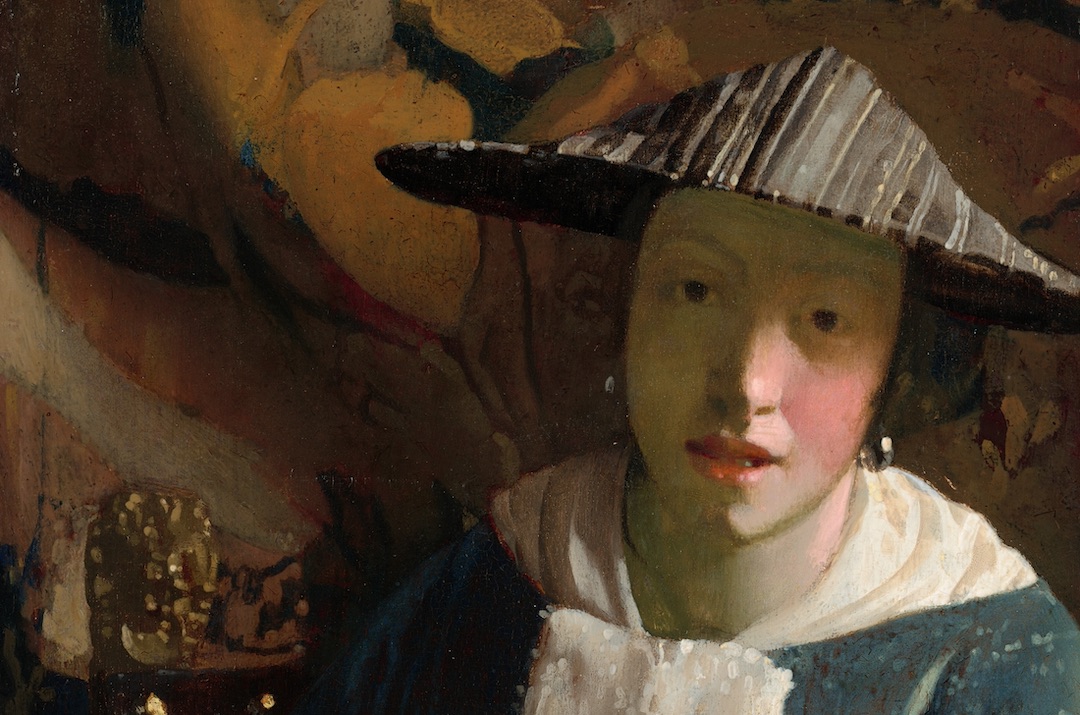
The National Gallery of Art in Washington, DC, has uncovered a rather surprising find while preparing for a new exhibit, Vermeer’s Secrets.
And what a secret it has stumbled upon. According to new research, it turns out that famed Dutch painter Johannes Vermeer may not have been the artist behind the famed Girl with a Flute.
After examining the artwork through microscopic and X-ray analyses, and comparing it against another piece—the Girl in the Red Hat—it was found that one in particular boasted rather “awkward” brushwork, as described by the National Gallery of Art. The study was conducted during the pandemic when the institute was closed to the public.
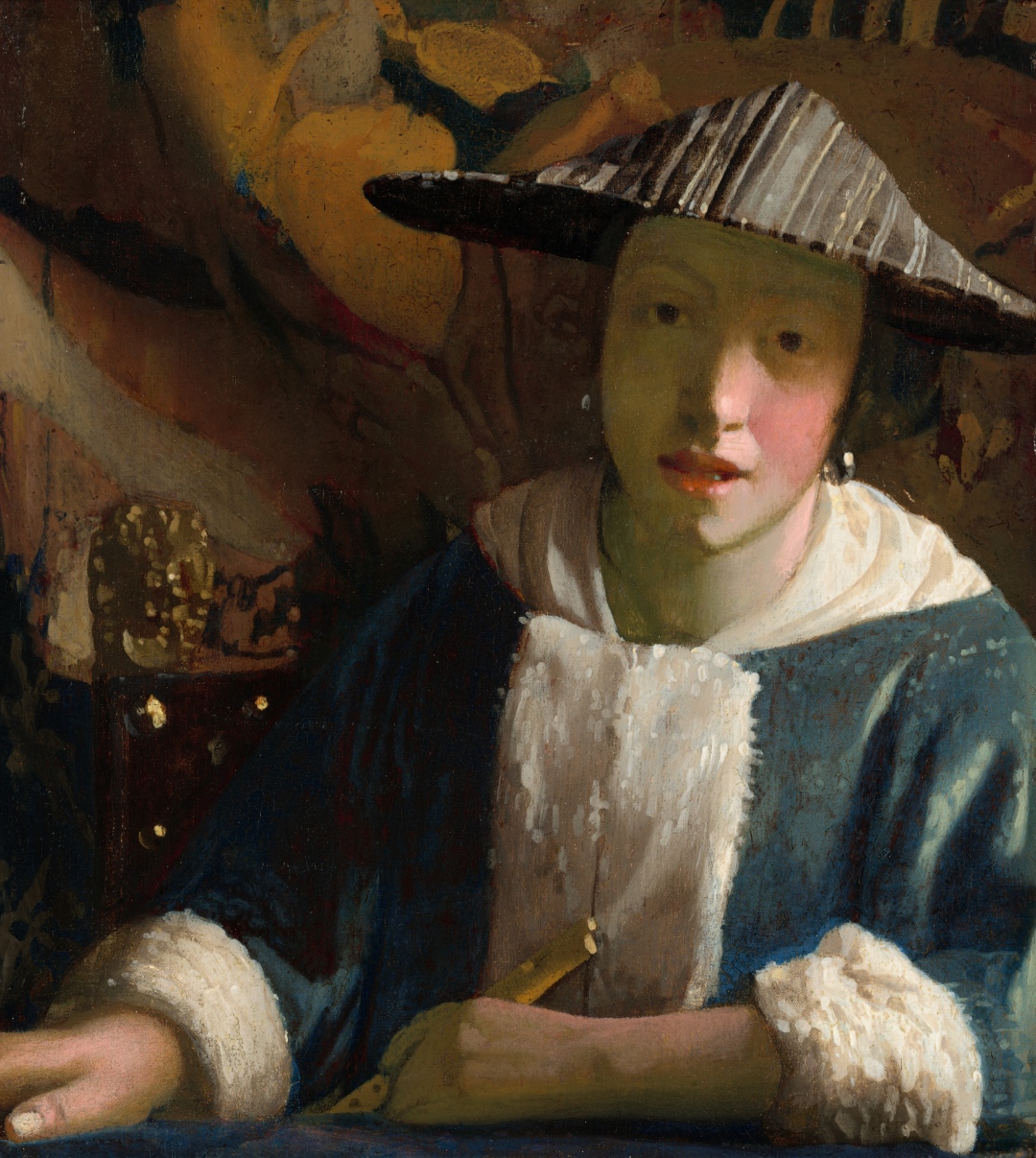
The mediums and paint used resembled Vermeer and his methods in prepping his supplies. However, the top layer of the pigment was more coarsely ground up, giving the portrait a granular appearance. The painting resembled more of an excellent replica, say experts. This indicates that whoever made it could understand Vermeer’s handiwork but could not master it completely.
Experts now think that, rather than the lone wolf image that earlier historians had of Vermeer, he probably had a large workshop full of apprentices and students who had observed his artistry and produced their own works with his assistance, just like with the Girl with a Flute.
According to the National Gallery of Art’s Director, Kaywin Fieldman, this discovery of Vermeer’s hosting a studio has been one of the most significant observations about the artist in the last decade.
Vermeer’s Secrets begins in early October and will be open until January 2023.
[via Hyperallergic and National Gallery of Art, images via National Gallery of Art, Public Domain]


