
Tentacled Robot Learns To Handle Delicate Objects With Its Foot-Long Arms
When you think of robots, gentleness doesn’t necessarily spring to mind, what with their harsh metal exteriors and mechanical movements. However, professors at Harvard are here to debunk this conception with a bot that has learned to handle items with care.
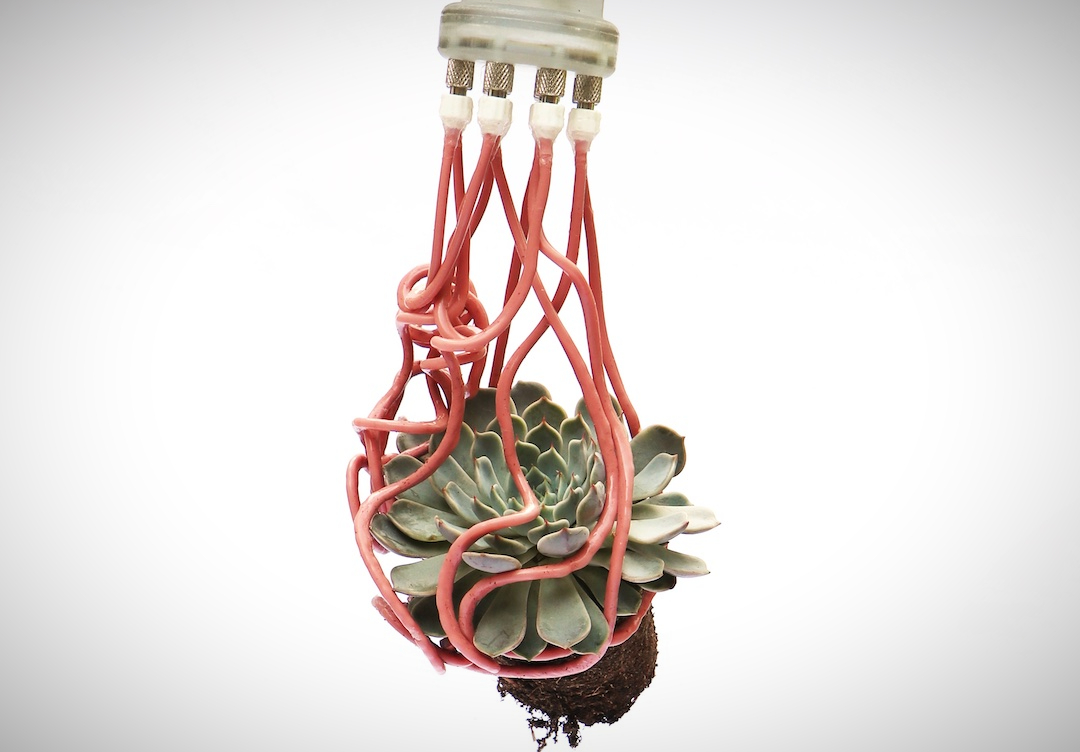
The John A. Paulson School of Engineering and Applied Sciences has just unveiled an unorthodox robot that has removed its grippers for tentacle-like arms instead. The inspiration for the design stems from multi-legged sea creatures such as octopi and jellyfish, as seen dangling from its arm are foot-long coral-colored tubes that reach down towards the object it needs to pick up.
The study published in the Proceedings of the National Academy of Sciences (PNAS) shows that the tubes are made from a hollowed-out rubber that remains empty when not used. When it needs to grasp onto something, it quickly fills with air, and the pressure from doing so allows it to coil around its desired item.
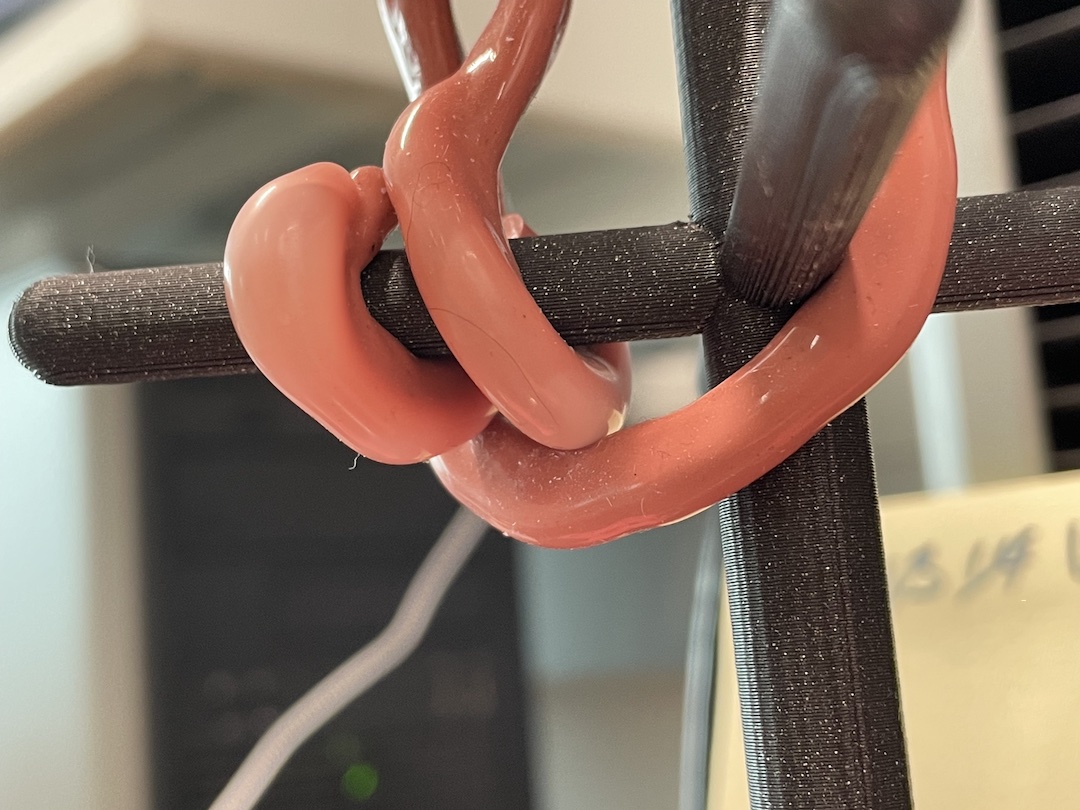
As it relies on air to ensnare things, it moves in random patterns, and there is a chance it might not be able to hold onto the item. Another downside is that it might not have the tenacity to gently release what it’s holding as it deflates. While sturdier entities might not be at risk of damage, incredibly fragile objects might be.
The team at Harvard has taken the robot out into the real world and tested it on plants, fruits, toys, glassware, and even tissue in a medical setting.
Currently, scientists utilize a vacuum robot to pick up fragile pieces. While this new entry into the game still has some issues, it certainly reaches into a new avenue of robotic grippers that, for example, could one day potentially aid in retrieving specimens from endangered coral reefs.
[via Gizmodo and Harvard John A. Paulson School of Engineering and Applied Science, images via Harvard Microrobotics Lab/Harvard SEAS]


