
Bumble Makes Nude-Detecting AI Open Source To Wipe Out More Unsolicited Pics
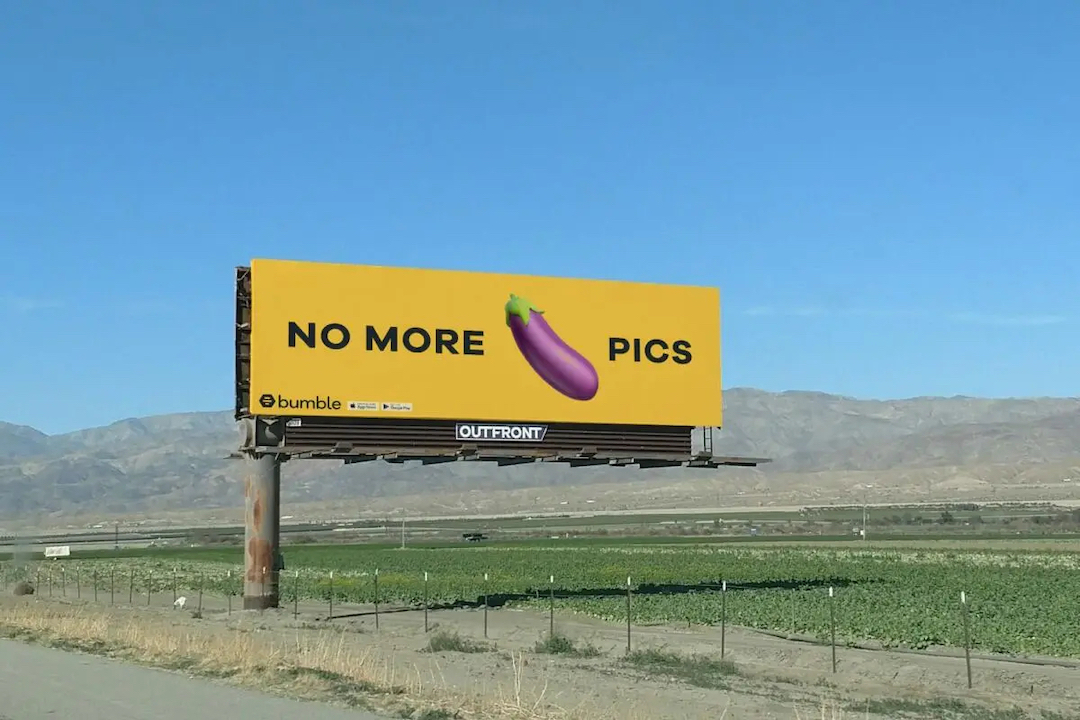
Since 2018, Bumble has been tackling a social phenomenon known as ‘cyberflashing’, or the gross instances when you receive unsolicited nudes online.
To address this issue, the company launched its Private Detector AI feature on its application a year later, which works by automatically blurring potential nude images within chats. Users will have the choice of viewing or blocking the image and can report the other party.
Hoping to protect more people online from these unwanted pictures, Bumble’s data science team recently released a whitepaper into the inner workings of Private Detector, with an open-source version now available for use by others in the technology community.
“As just one of many players in the world of dating apps and social media at large, we also recognize that there’s a need to address this issue beyond Bumble’s product ecosystem and engage in a larger conversation about how to address the issue of unsolicited lewd photos,” it writes.
Due to the vast number of users on the application, the firm was able to train its AI on high-volume datasets for years, with care taken to ensure it wouldn’t unwittingly flag other body parts—such as legs or arms—as abusive.
Overall, Private Detector is said to have over 98% accuracy in blocking out unsolicited nudes, and now other applications and websites can tap into its ready-to-use SavedModel. It is released under the Apache License, allowing anyone to use the feature as is or by adding more samples.
For more information on the open-source model, head here.
[via TechCrunch and Bumble, cover image via Bumble]


