
EU Wraps Up Approvals For Law To Make All Smartphones Compatible With USB-C
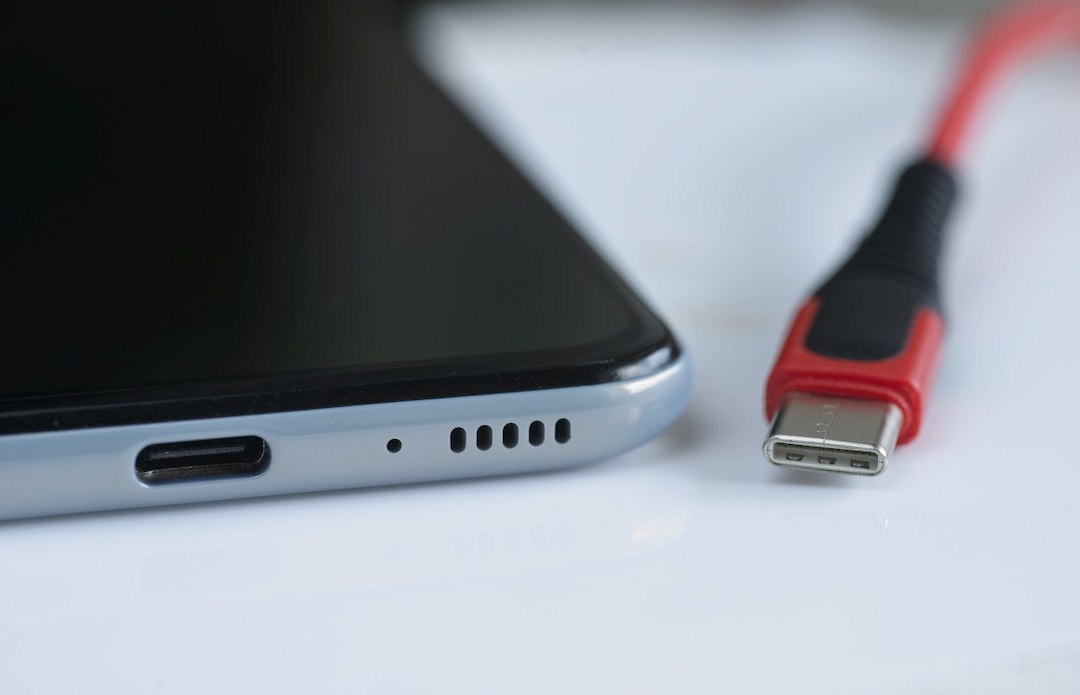
Earlier this month, the European Parliament officially voted for a law that will force all technology giants to adapt their devices to a USB-C charger. Now, the legislation has received the final approval, making the standardized port mandatory across most electronic devices by the end of 2024.
Apple has come under the spotlight in recent years for using its exclusive Lightning connector, which critics say cause more electronic waste and inconveniences consumers switching between ecosystems.
According to MacRumors, the rule will come into effect 20 days after publication, and will begin to apply to goods sold two years after that date, meaning current gadgets without USB-C ports can still be sold on the continent.
From now, all new smartphones, tablets, headphones, cameras, speakers, keyboards, videogame consoles, and laptops up to 100 Watts will be required to be fitted with a USB-C port, though gadgets too small for one—such as smartwatches and trackers—will be exempted for the time being.
Consumers will also be allowed to choose to purchase a new device with or without a charger in hopes of reducing the electronic waste that comes with producing, transporting, and disposing of unused chargers.
In the future, after assessing both monetary and environmental savings, the Commission may decide to make the unbundling of chargers with gadget sales compulsory. It plans to look into standardizing wireless charging as well, aiming to make solutions more open and interchangeable by 2024.
“We all have at least three mobile chargers at home. Looking for the right charger, either at home or at work, can be quite annoying. On top of this, these chargers amount to 11,000 tonnes of e-waste every year. Having a charger that fits multiple devices will save money and time and also helps us reduce electronic waste,” explained Jozef Síkela, Minister for Industry and Trade.
[via MacRumors and Council Of The European Union, cover image via Alessandrozocc | Dreamstime.com]


