
To-Go Soda Cup Lids Could Uncover Secret Sauce To Helping Drones Fly More Safely
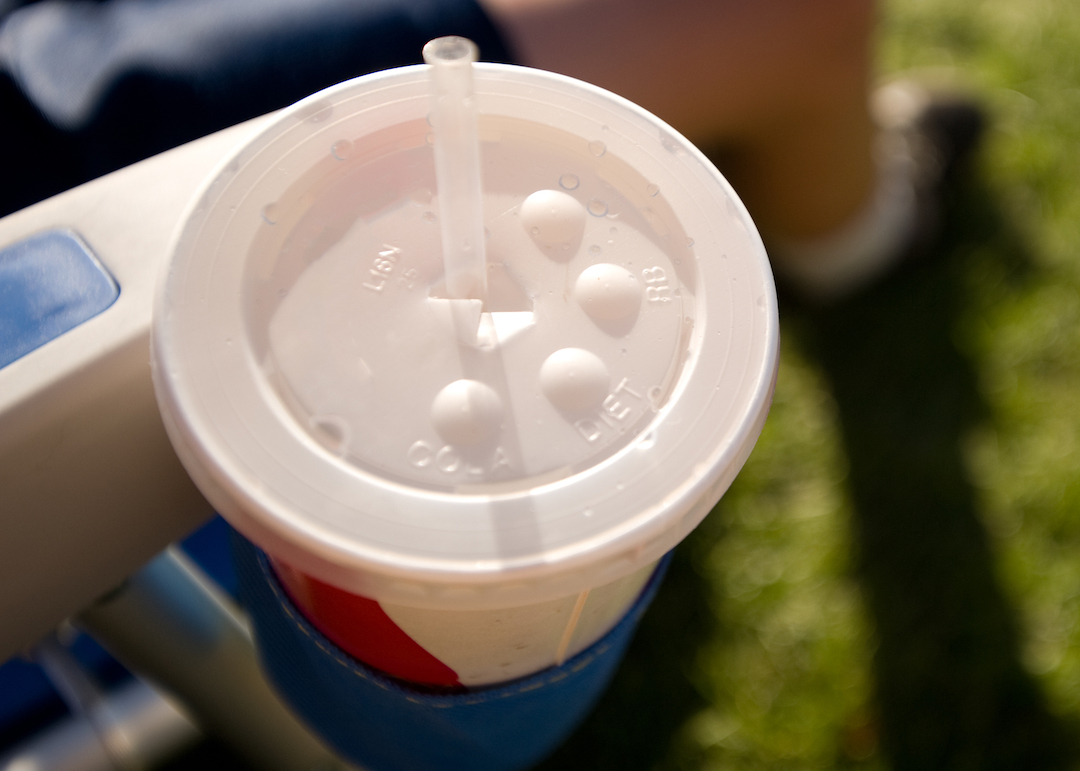
Often fiddle with the small pop-up domes on the lid of your soda cup? Well, it seems those little markers could one day be the reason why a winged drone avoids an accident.
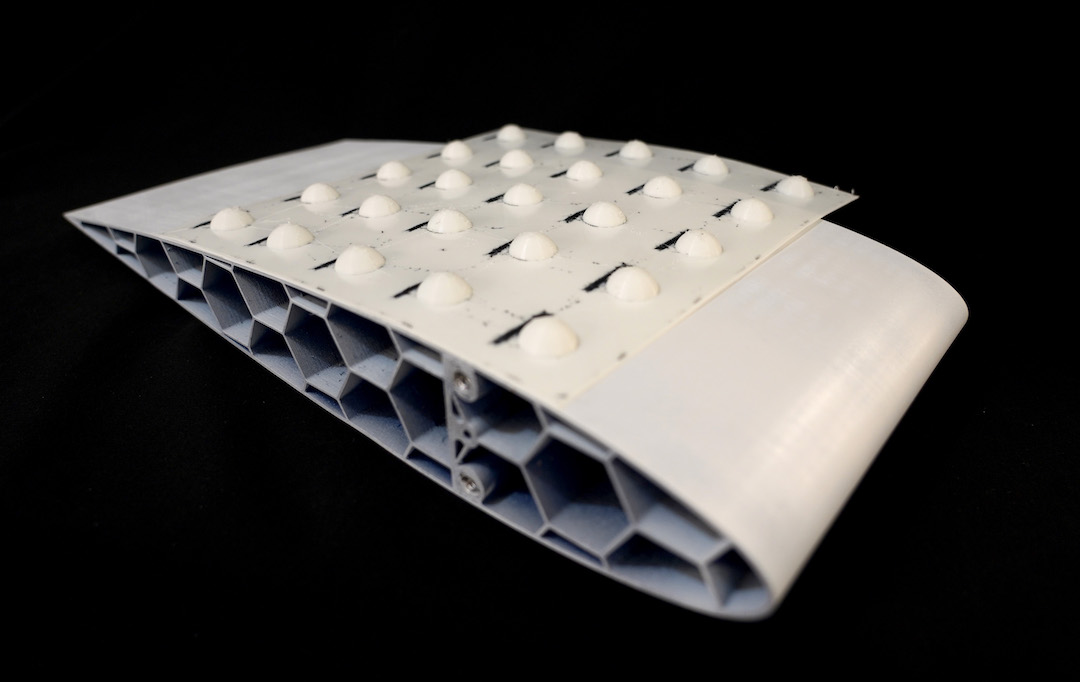
Scientists at Purdue University posited that constructing similar domes on drones could be vital to monitoring air pressure on the wings, signaling dangerous conditions immediately without relying on an additional data sensor.
Unlike humans, autonomous aircraft can’t prioritize or filter the information it receives. If there is too much data to process from the multiple sensors at once, it could render the drone unable to act in time during a critical situation mid-flight.
Adding dome-covered surfaces to the wings of drones could be a step toward addressing this issue. It only takes a certain amount of force to invert the dome, allowing non-threatening forces beneath this threshold to be “filtered out” even without sensors.
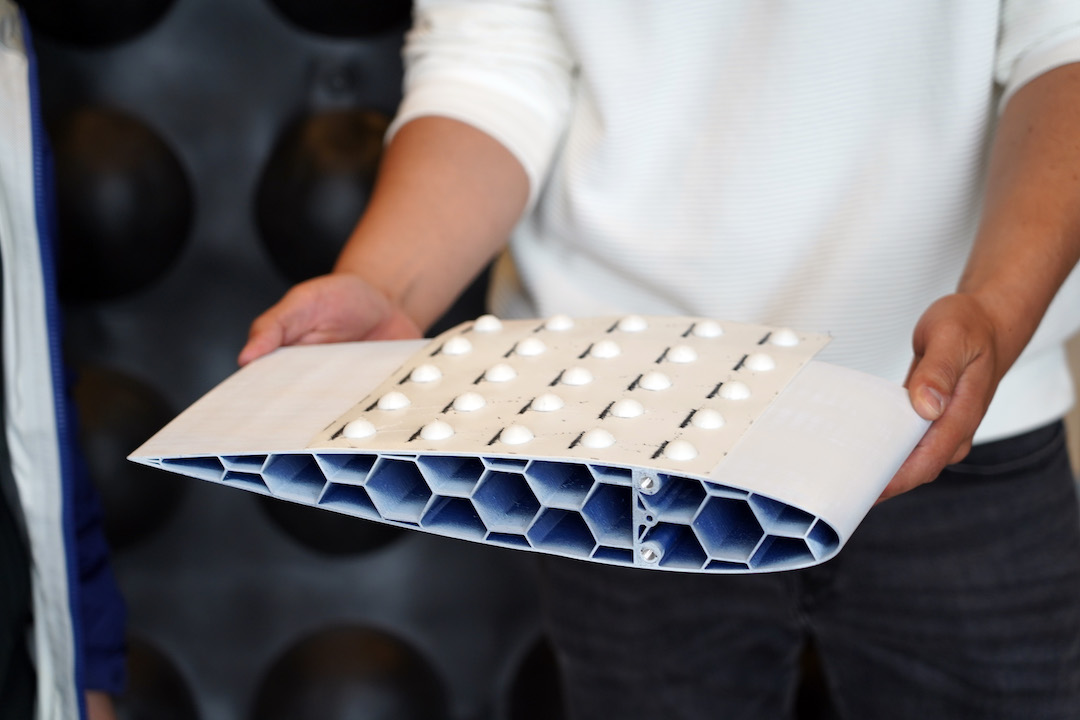
Arrays of domes on a drone wing may help it to detect information from its surroundings only when necessary. Credit: Purdue University / Jared Pike
If the conditions turn dangerous, a specific series of domes popping up or down could help indicate to the control system that problematic pressure patterns are arising, or even signal that a foreign object is approaching the drone.
According to the researchers, this cue is based on the concept of associative memory, by which humans use details associated with identifying the main object in question. For example, upon forgetting the location of a building, you could recall the color of its facade to remember it.
Similarly, because the domes can only be popped up or down, their form in these two states can act as binary measures to create particular patterns the drone will be able to associate with different situations without the need for “buffer” time.
In the future, the team plans to test how the material used to create these domes responds to the surroundings and hopes to integrate it into a drone wing design within the next three to five years.
[via New Atlas and Purdue University, images via various sources]


