
Simple Test Using Just A Phone & Cheap Earbuds Screens Kids’ Hearing
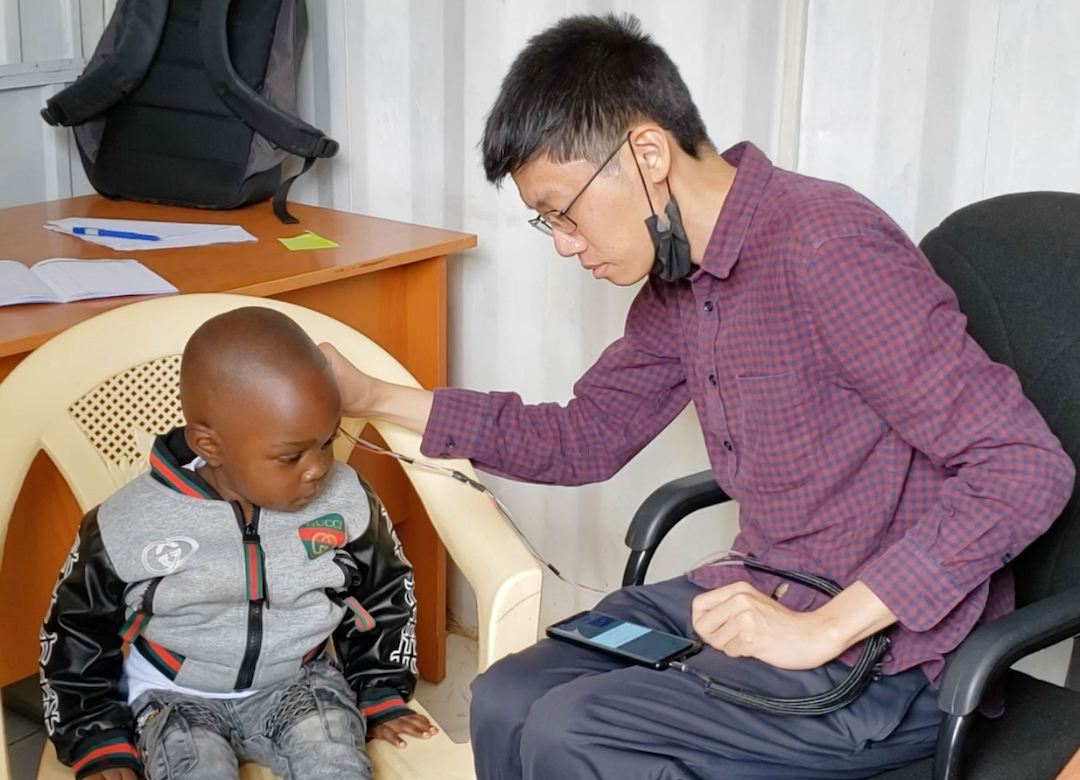
While most children in the United States are often screened for hearing impairment, this important test isn’t readily available to kids in other countries, due to high equipment costs.
As such, a team of researchers at the University of Washington have set out to develop a new screening system that would work just as well, but at a more affordable price, using just a smartphone and low-cost earbuds to get the job done.
Impressively, when tested on 114 patients—including 52 babies up to six months old—and other children with hearing loss, the tool proved to perform as well as the commercial device, correctly identifying all patients suffering from impaired hearing.
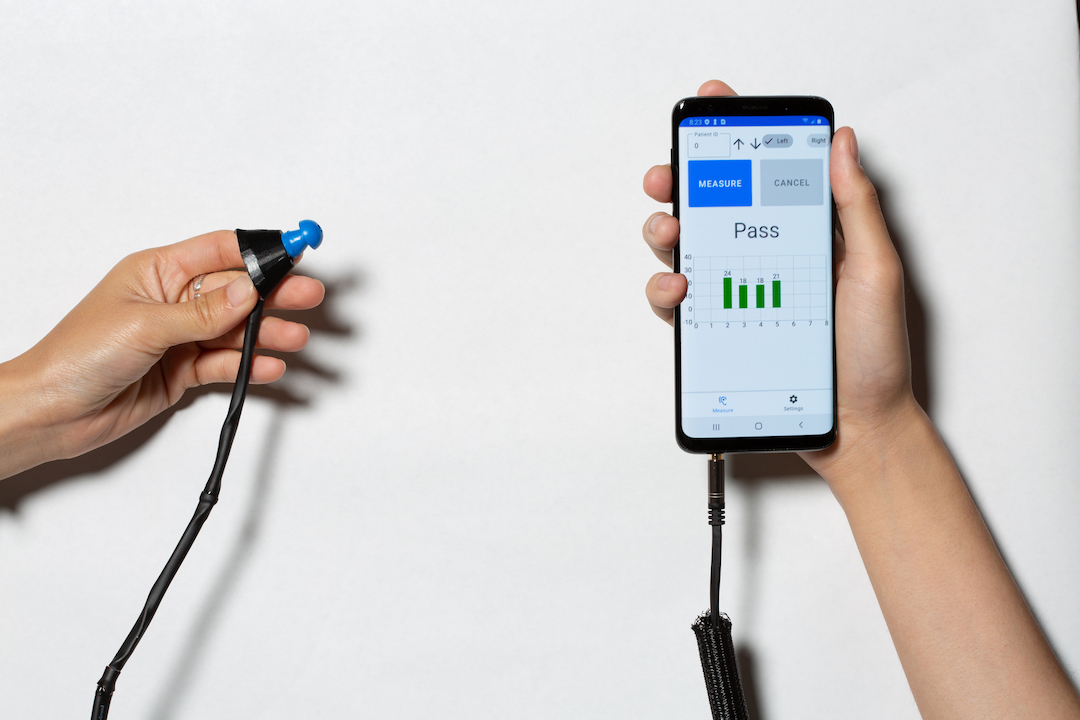
“The project here is to leverage the ubiquity of mobile devices people across the world already have—smartphones and $2 to $3 earbuds—to make newborn hearing screening something that’s accessible to all without sacrificing quality,” explained Shyam Gollakota, Professor at the Paul G Allen School of Computer Science & Engineering.
How does the test work? First, the doctor sends two different tones into a patient’s ear at the same time, listening for a third tone created by the vibration of hair cells in the ear. If there’s a concern, the patient will be referred to a specialist for further evaluation.
Naturally, the equipment specially designed for this task is expensive, as it can specifically play the two tones without any interference from the outside world. However, the team found that earbuds, one of each playing different tones, could work too.
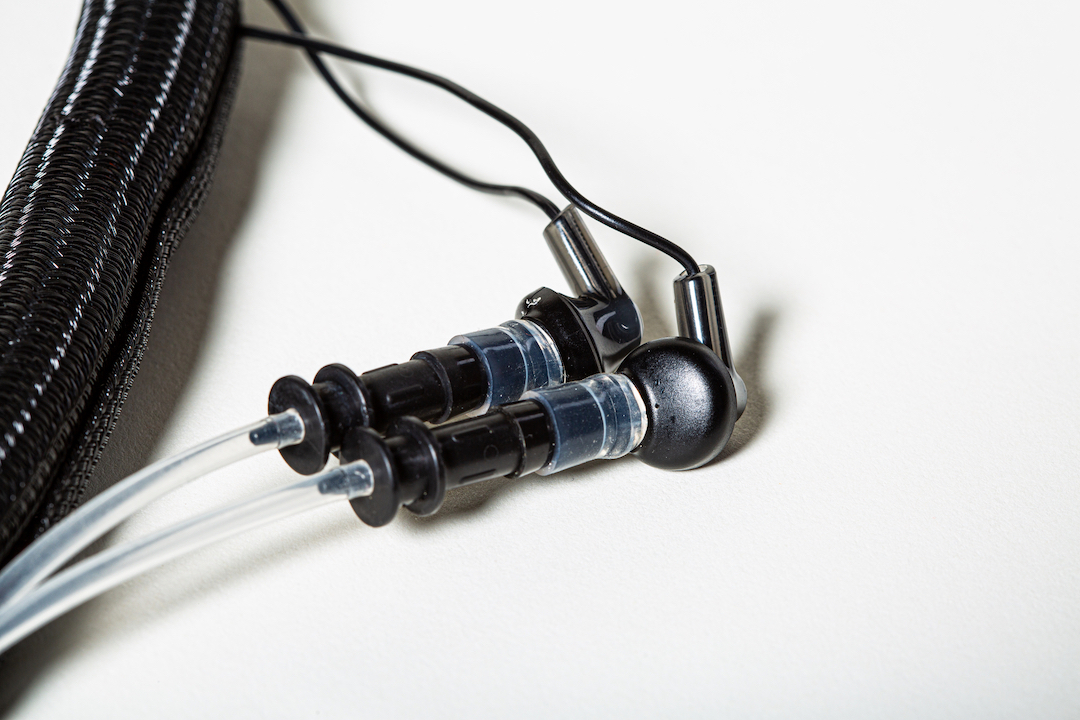
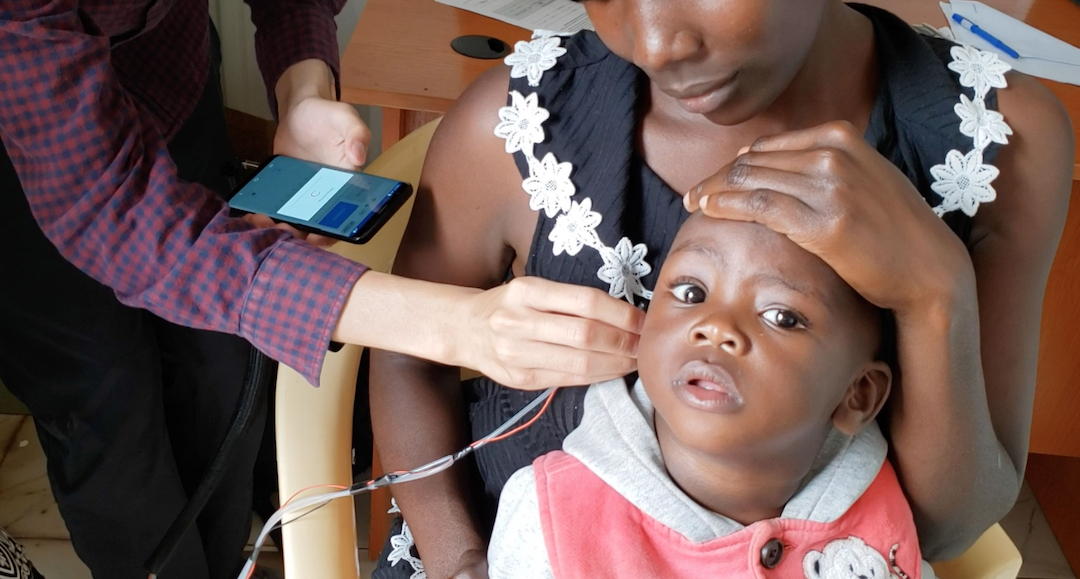
During the test, the earphones will be connected to a microphone, which will record sounds from the patient’s ear before sending it to a smartphone for the results to be processed. So far, the system has been tested at three hearing clinics in the Puget Sound region of Washington.
Going forward, the scientists are working with the UW Global Health Department, the University of Nairobi, and the Kenya Ministry of Health to kick off a newborn hearing screening project in Kenya, with the main challenge of scaling up the system and training local experts.
“We have an opportunity to really have an impact on global health, especially for newborn hearing. I think it’s pretty gratifying to know that the research we do can help to directly solve real problems,” summed up Justin Chan, doctoral student in the Allen School.
[via New Atlas and University of Washington, images via University of Washington]


