
Google Expands Its Flood, Wildfire AI Detection Systems To Save More Lives
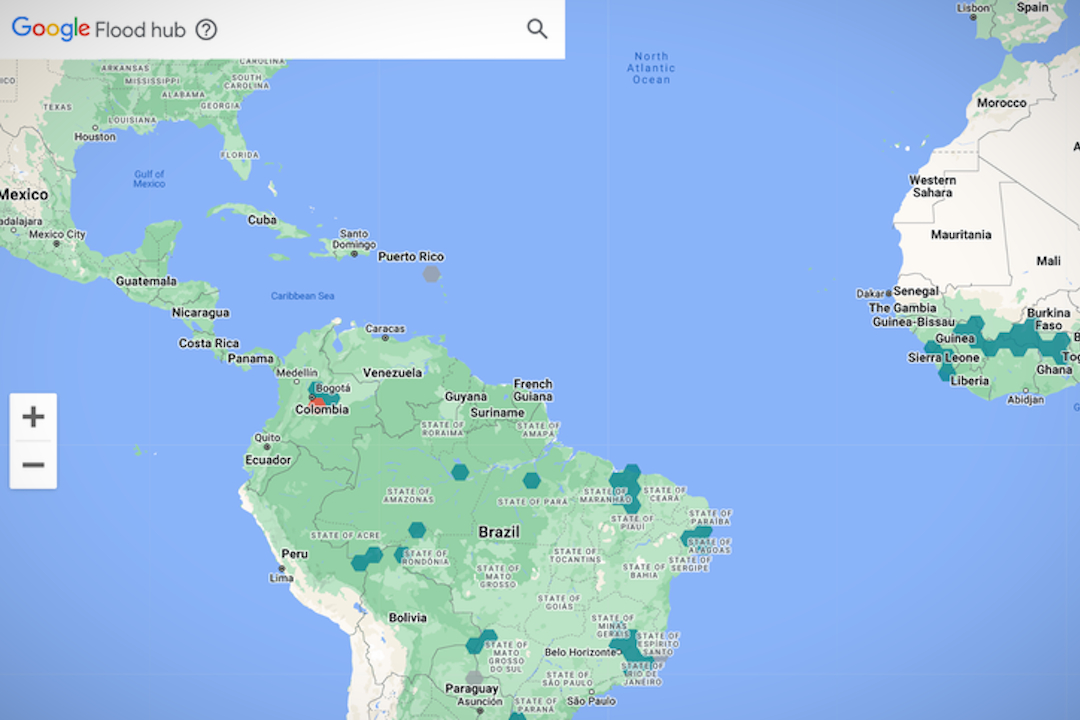
One of the unfortunate side effects of climate change is the prevalence of natural disasters, and to help combat the increasing number of floods and wildfires, Google is expanding its artificial intelligence technology to affected communities around the world.
According to the company, over 250 million people are affected by the devastating effects of floods every year. It first launched its forecasting initiative—which uses machine learning to provide locals with detailed alerts—back in 2018, which has helped save countless lives.
In fact, last year alone, 115 million flood alert notifications were sent to over 23 million users. Now, Google is looking to expand its reach further, adding 18 more countries in Africa, Latin America, and Asia to river basins located on those continents.
Furthermore, it will be launching a new FloodHub platform, where users can easily access forecasts and determine when and where floods are most likely to occur, so aid and information can be provided to those at risk.
Additionally, the firm has incorporated new AI models to help detect wildfires based on satellite imagery, and will show the real-time spread of the flames in Search and Maps.
Since July this year, over 30 big wildfire events in the US and Canada have been reported, with over seven million people viewing the news within the applications.
Going forward, Google hopes to use its technology to address other aspects of climate change, including projects to help improve air quality, meet the world’s demand for food, and help farmers protect their crops.
“AI already plays a critical role in addressing many urgent, climate-related challenges. It is important that we continue to invest in research and raise awareness about why we are doing this work,” concluded Yossi Matias, Vice President of Engineering & Research and Crisis Response Lead.


