
Lab-Grown Blood Transfused Into Humans In World-First Clinical Trial
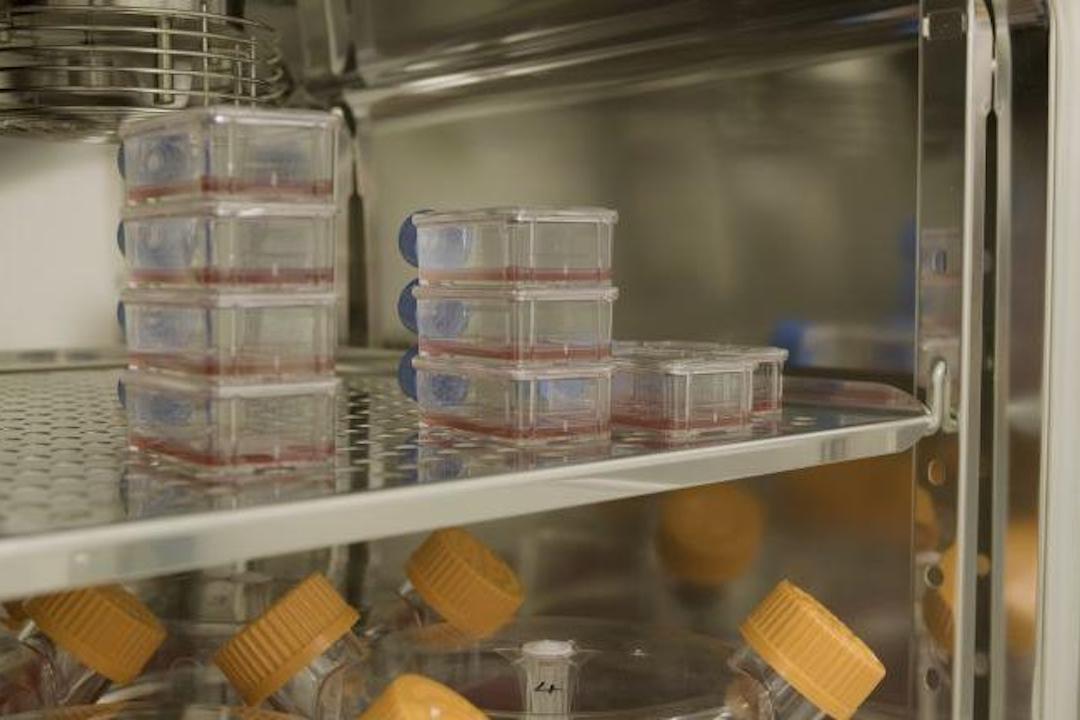
In an incredible breakthrough for medicine, researchers at the University of Cambridge are currently underway with the world’s first clinical trial of transfusing laboratory-grown red blood cells into another person.
The process works by growing the manufactured blood cells from donated stem cells, before the blood is transfused into volunteers participating in the randomized controlled clinical trial.
If the method proves to be safe and effective, this could be a milestone in revolutionizing treatments for patients with blood disorders, including sickle cell disease and those with rare blood types, who often face difficulty finding well-matched donors.
The scientists are monitoring the lifespan of the lab-grown cells as compared to the standard ones from the same donor, expecting the newly-grown cells to perform better as they are newer.
Furthermore, the team posits the manufactured cells could last longer in the body than those from regular blood, which comprises cells of varying ages. This could mean patients requiring regular blood transfusions may not have to undergo the process as often.
So far, two people have undergone the trial, with no side effects reported. While the trial goes on, the identities of the patients involved will not be disclosed so as to keep it “blinded.”
“We hope our lab-grown red blood cells will last longer than those that come from blood donors. If our trial, the first such in the world, is successful, it will mean that patients who currently require regular long-term blood transfusions will need fewer transfusions in the future, helping transform their care,” says Chief Investigator Professor Cedric Ghevaert.
[via BBC and University of Cambridge, cover image via NHS Blood and Transplant]


