
Marvel Looked To Studio Ghibli For Inspiration To Bring ‘Loki’ Villain To Life
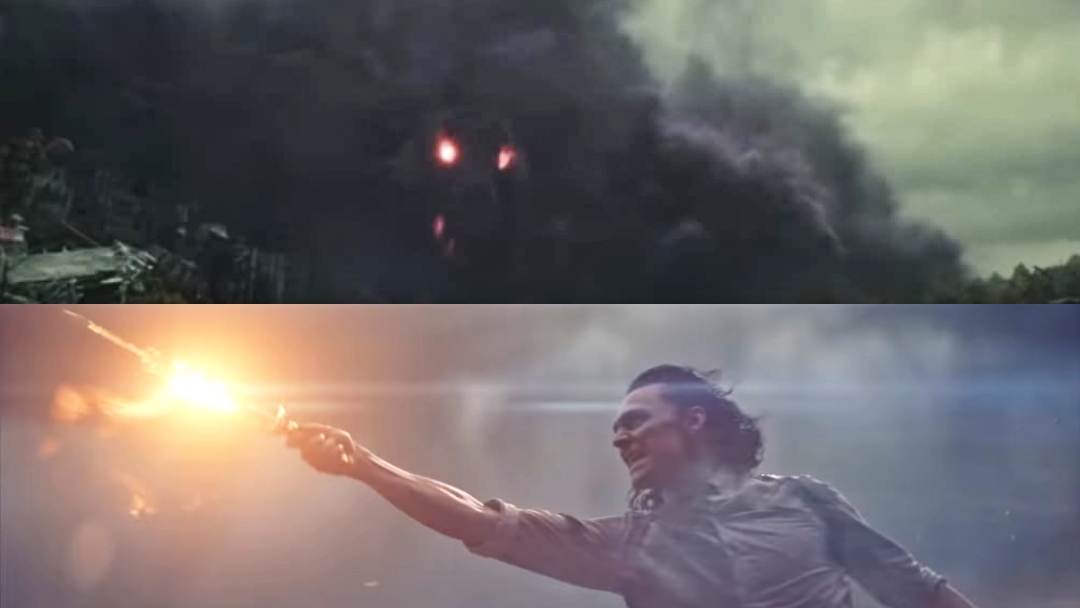
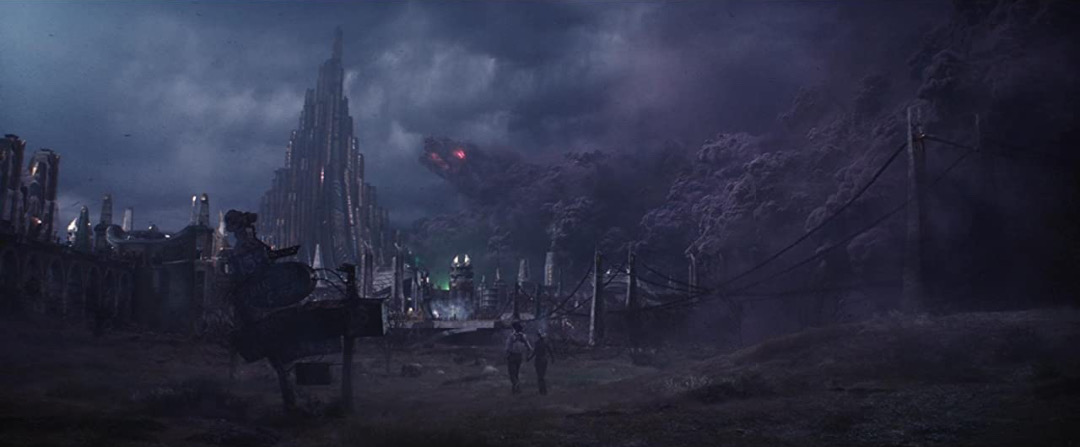
Two fantasy worlds collided to birth a formless monster capable of consuming time and space. In Disney+’s Loki, Alioth—a giant, ominous storm cloud in the sky—was the gatekeeper for Citadel at the End of Time and sent to eat up everyone and everything at the end of time, including variants nabbed by the Time Variance Authority.
The entity, dug up from the great depths of the Marvel archives and reintroduced in the series, is bound to strike terror by the sound of its all-encompassing predatorial nature itself. So it comes as a surprise that its appearance was loosely based on a character from the wonderful world of Studio Ghibli, the sheer thought of which conjures up images of adorable, tubby mythical creatures and flying steampunk castles.
Revealing his muse in Marvel’s new Loki: The Art of the Series artbook (via ComicBook.com), visual development artist Alexander Mandradjiev said it took multiple iterations before executives were happy with Alioth’s form, since the creature was supposed to be smoke but “not just smoke.” In the end, it was a concept he’d borrowed from Studio Ghibli’s Princess Mononoke that won everyone over.
Mandradjiev recounted that the producers needed to see something that was alive inside Alioth. The villain also had to have “more of a creature shape… but Alex, don’t do creature,” he recalled Ryan Meinerding, Head of Visual Development at Marvel Studios, telling him.
“It needs to still feel random and nature-like, but it’s constantly twisting and kind of shifting shape,” the concept artist added.
He was quickly reminded of Nago, a boar god-turned-demon in Princess Mononoke with red eyes, a “wormlike effect,” and spider-like legs.
Mandradjiev then “used that feeling” and transported it into Loki, eventually creating a “squatting god… [that feels] like he’s on the ground, on his knuckles, but if he was to stand up it would be just a huge, weird thing that probably also dissolves into a much more massive cloud shape.”
Mandradjie envisioned lightning occasionally striking through Alioth, along with rough facial features “hinting at just eyes.”
With the second season of Loki slated for release in the summer of 2023, who knows which worlds other villains are currently straddling between?
[via ComicBook.com and We Got This Covered, images via various sources]


