
Australia Becomes World’s First To Approve Fecal Transplant Therapy
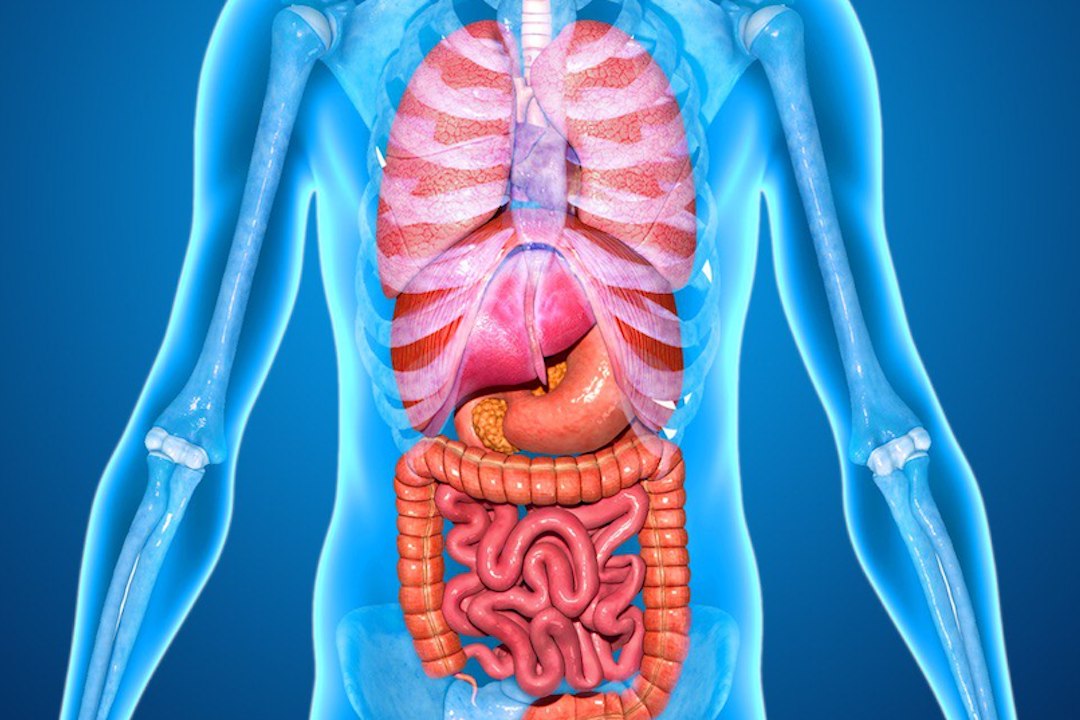
In a major breakthrough for medicine, Australia's Therapeutic Goods Administration (TGA) recently approved fecal transplant therapy, a method of treating serious bacterial infections. This is the first time authorities in any part of the world have officially authorized such measures.
As New Atlas points out, while many studies have been conducted into how fecal transplants can treat myriad illnesses—ranging from alcoholism to obesity—the actual practice of the process is still in its infancy.
What exactly is a fecal transplant? Well, just as its name implies, the procedure involves the donation of feces from a healthy donor, which is then turned into capsules or enemas for the receiving patient.
However, there still hasn’t been a system designed to standardize the transfer of the microbiome. Every donor will have feces made up of unique microbial populations, which hardly lend themselves to a consistent, accessible form of therapy that can be administered to many people.
Enter BiomeBank, the company which has received the first regulatory approval for a donor-derived microbiome drug. At the moment, the medicine has only been given the green light to treat infections involving the Clostridioides difficile bacteria.
According to the firm, the bacteria in question is responsible for the most common symptoms associated with diarrhea, which it calls “a debilitating condition with significant global unmet medical need.”
Initially, the product will be launched in the form of a frozen syringe, for colonic and enema delivery. Oral capsules are currently being worked on as a more accessible method of delivering the medicine in the near future.
The firm lauds the approval as a “landmark” move, and it intends to scale manufacturing for the “donor-derived drug product to meet the immediate medical need.”
“In addition, we are excited to progress to progress the development of our cultured microbiome based therapies with the aim of alleviating microbiome mediated disease on a much larger scale. It’s an exciting time for the microbiome field and we are pleased to be pioneering new solutions to treat these diseases,” it adds.
[via New Atlas and BiomeBank, cover image via 7active Studio | Dreamstime.com]


