
Could This ‘Plastic Stonehenge’ Be The Historical Monument For Tomorrow?
Nearly five centuries ago, one of the most mysterious monuments on Earth was created: Stonehenge.
While researchers still haven’t figured out exactly how our ancestors managed to construct the giant landmark, London architecture firm Vatraa has now reimagined the monument we’d leave behind for our descendants—and unfortunately, it isn’t a pretty picture.

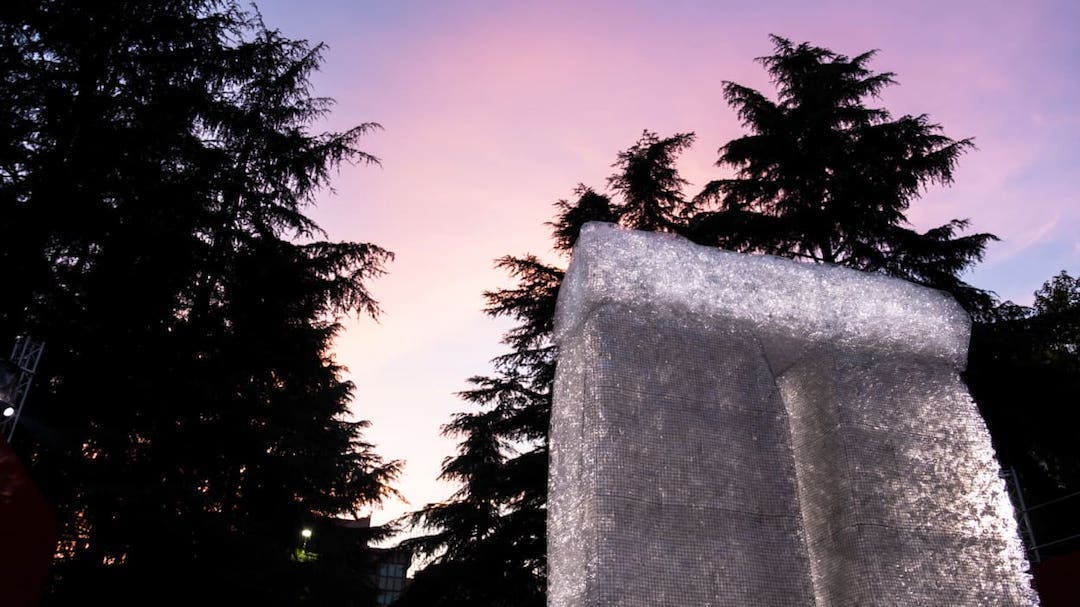
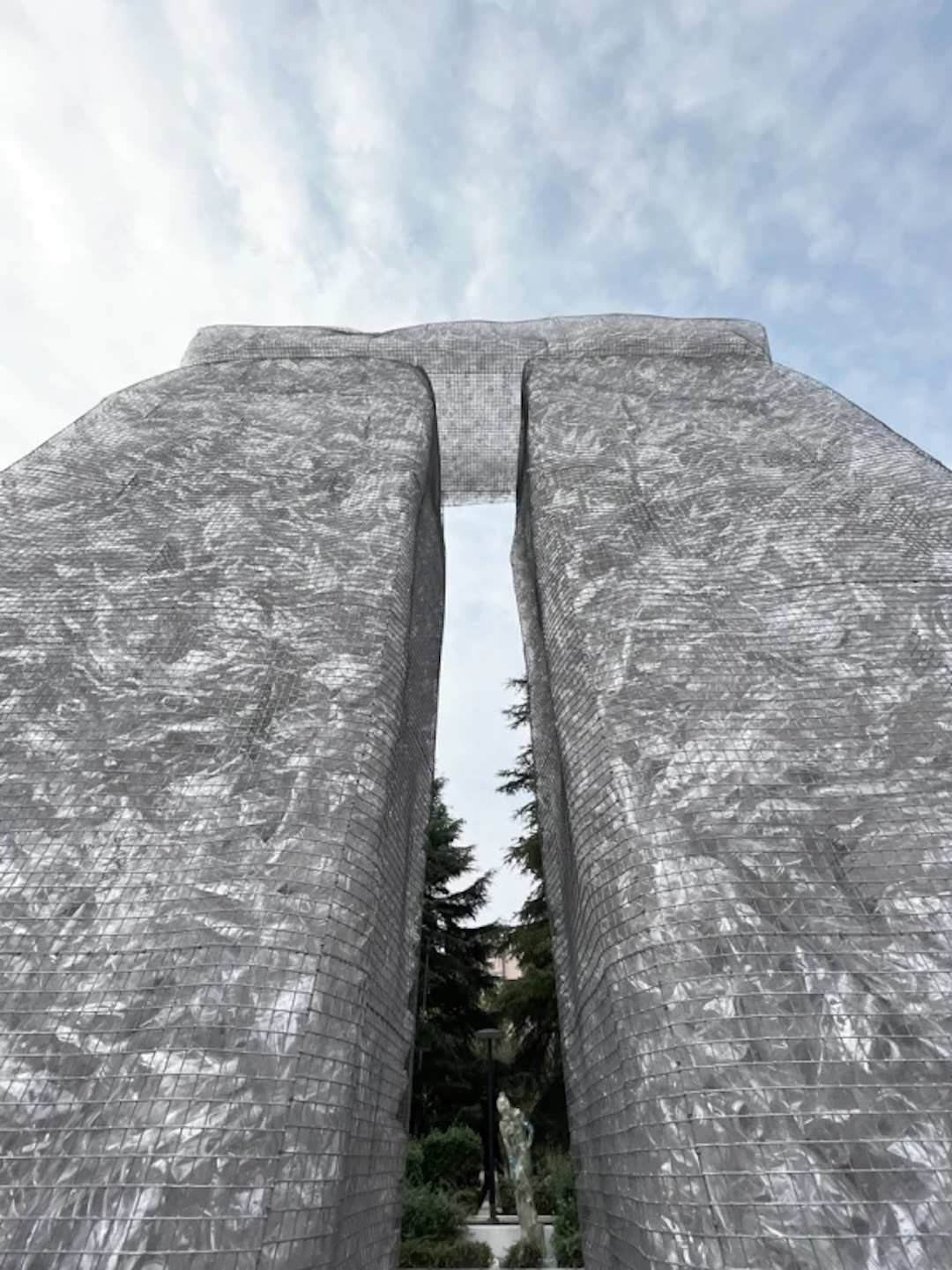
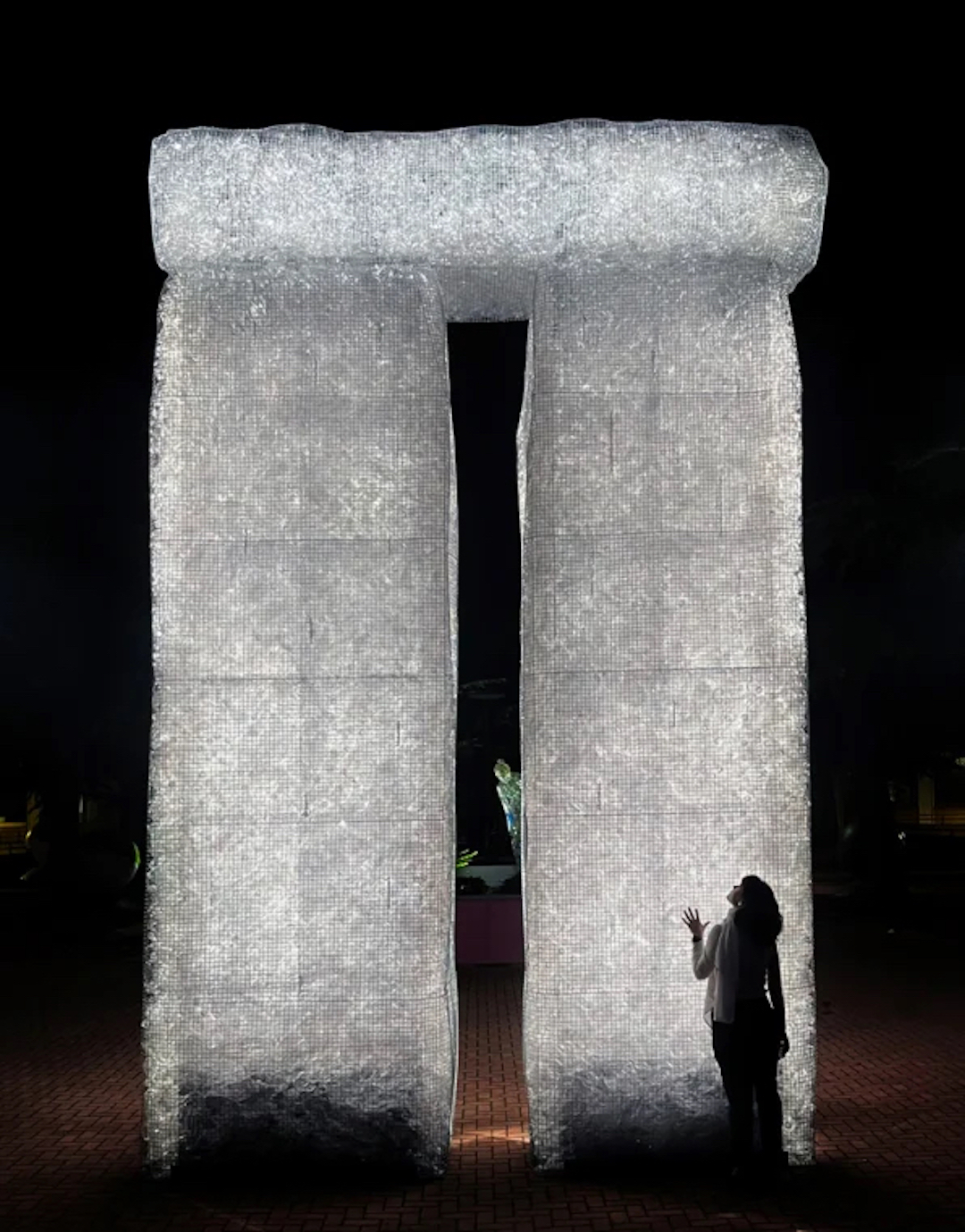
Aptly dubbed The Plastic Monument, the 21-foot-tall installation is located in southern Milan, having first been unveiled last month. While it was modeled after Stonehenge, the sculpture features no stones, but three giant piles of plastic bottles stacked atop one another.
The company first thought of the concept for the 2019 Young Architects Competition, as part of National Geographic’s Planet or Plastic? campaign. It’s not far-fetched to think that is exactly what we’ll be leaving behind for our lineage.
According to Fast Company, plastic bags take an estimated 20 years to degrade, while plastic straws require 200 years, and plastic toothbrushes 500 years, our plastic waste could be all that’s left of our generation in centuries to come.
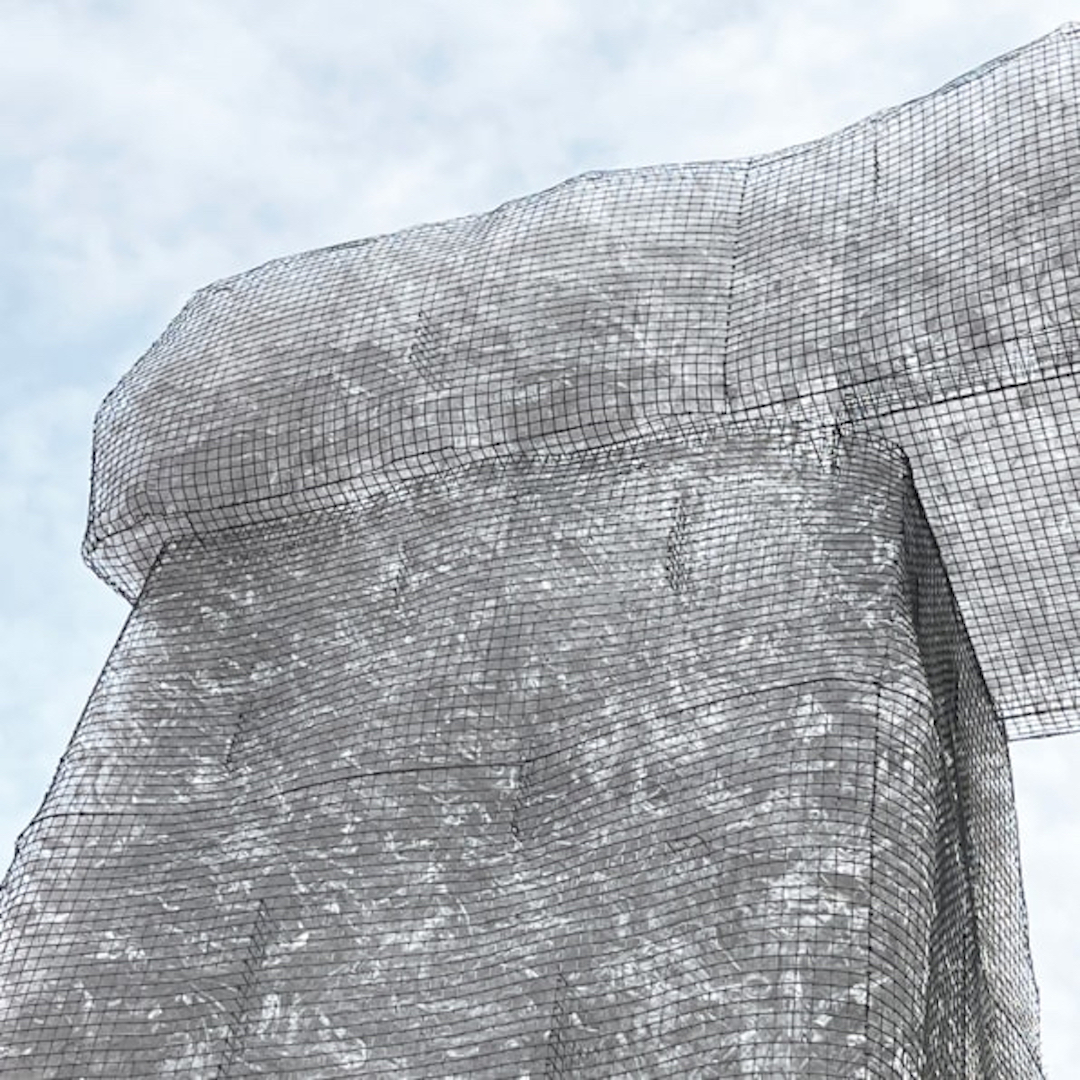
In fact, if left untouched, The Plastic Monument could still exist in the same position it’s in 450 years from now. To hold the structure upright, each of its “pillars” is wrapped in wire mesh, and the entire installation sits on two solid steel blocks as it couldn’t be built into the ground.
As per Vatraa, the sculpture was made out of pressed PET bottles, otherwise known as the “raw material” going into plastic recycling plants. It hopes to educate the general public on the recycling process by depicting the first step of the process.
“Taking the form of a trilithon, one of the oldest forms of structure inherited from our ancestors, the monument draws the attention to the consequences of our actions in the long run, to the fact that what we are doing today might stay on Earth forever,” the agency remarks.
[via Fast Company and Vatraa, images taken by Alessandra Terranova for Vatraa, featured with permission]


