Meta Wants To Keep ‘Suspicious’ Adults Away From Teens With New Features
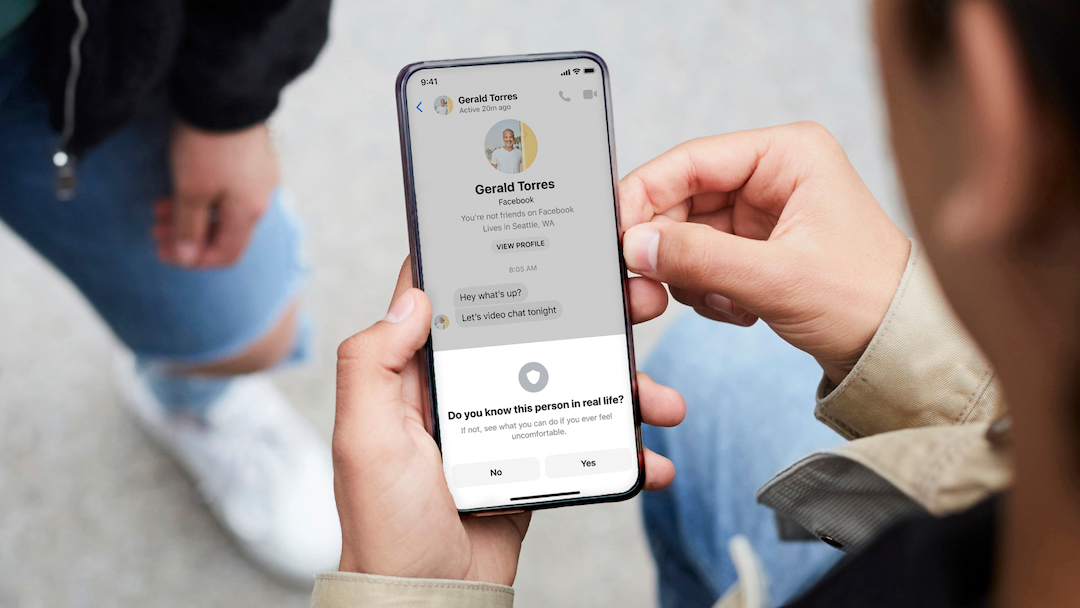
Growing up, we’ve all been warned of stranger danger. In the era of the internet, however, predators may not be lurking in the local park, but also in replies and direct messages on social media.
Knowing the dangers children and teenagers face online, Meta has revealed it is making changes to both Facebook and Instagram to better prevent “suspicious” adults from interacting with younger users.
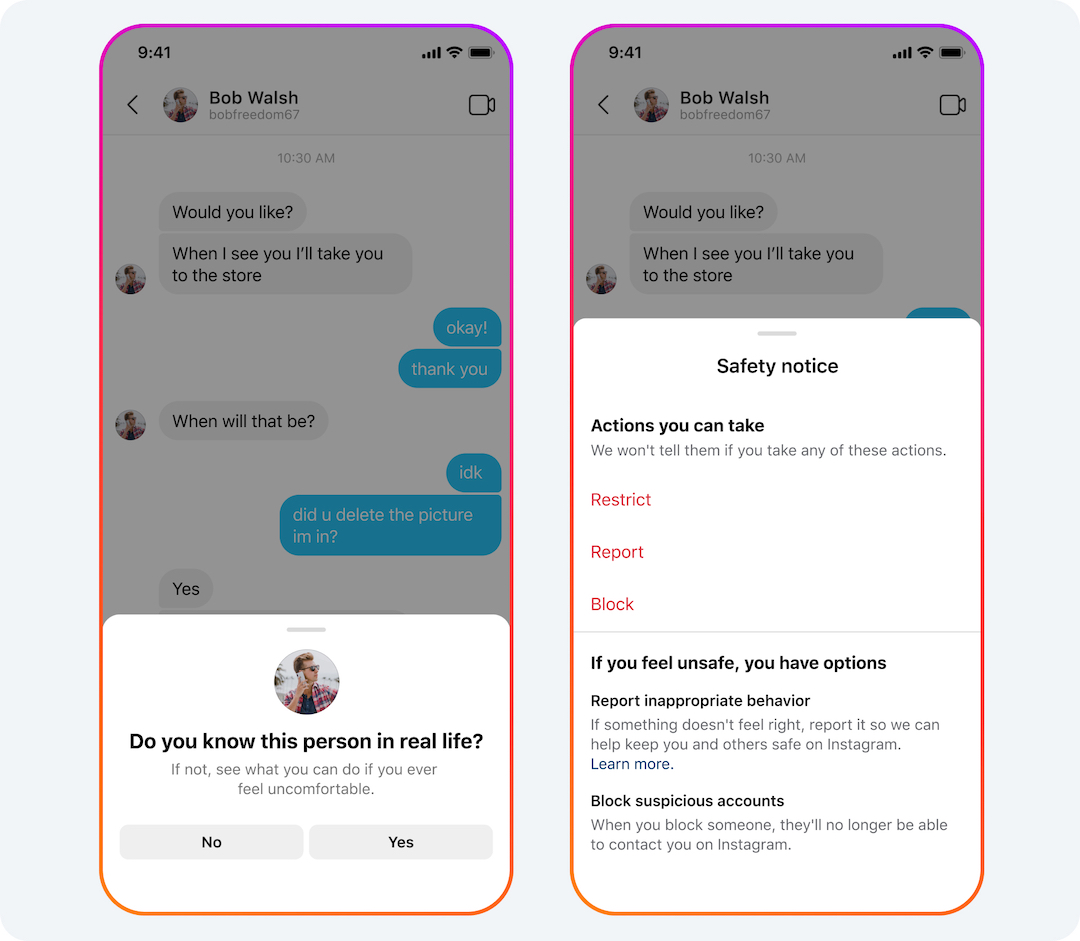
The changes—which are currently being tested—will disallow adults on the picture-sharing platform from messaging anyone under the age of 16 or 18, depending on the region, while Facebook will boost the privacy settings of all new users to limit their visibility on the site.
New accounts created by teens will be automatically set to “more private settings,” in which only friends will be able to view the users’ tagged posts or friends list. The network will send existing accounts a reminder to adapt to the new settings, though it will not be compulsory.
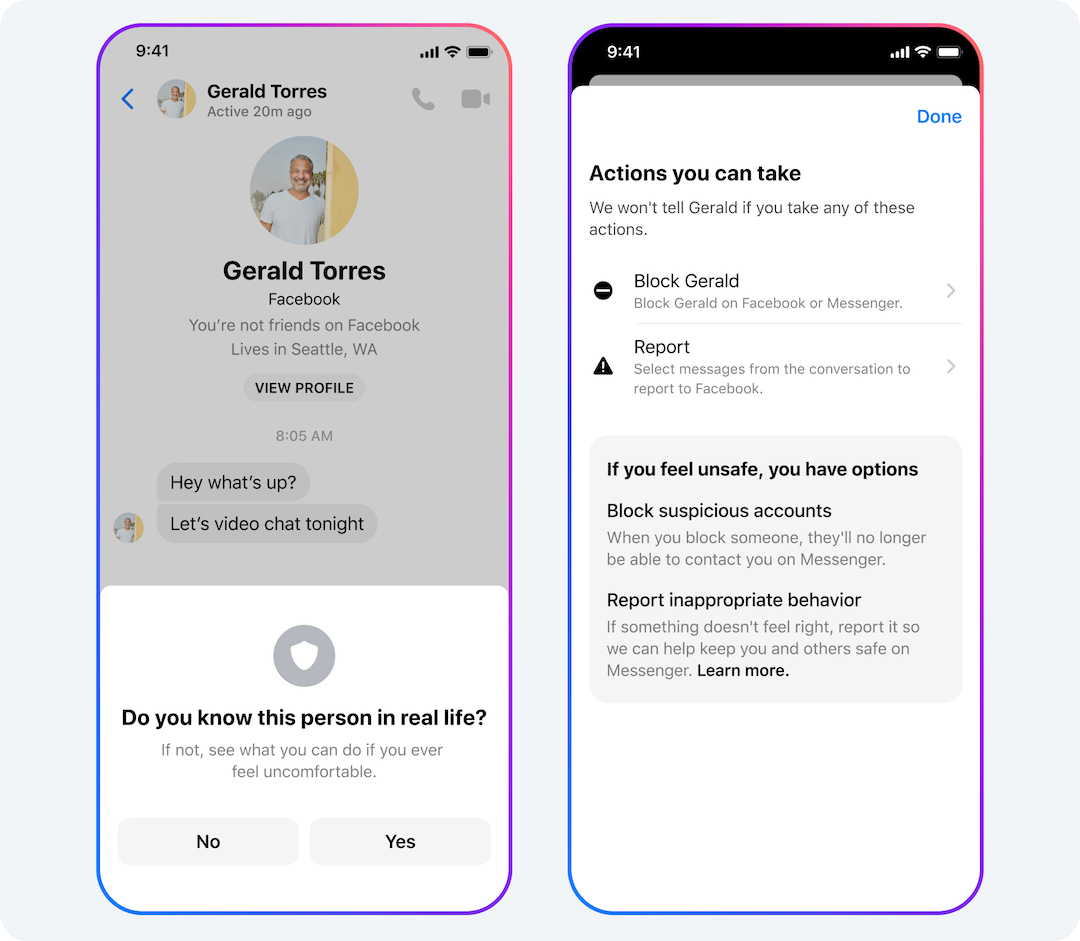
Additionally, Facebook says it will be blocking “suspicious” adults from appearing under the “people you may know feature,” though it did not specify how it would deem if an account will be labeled as “suspicious.”
For now, the site reveals that “suspicious” accounts could constitute one that “belongs to an adult that may have recently been blocked or reported by a young person.”
Working together with the National Center for Missing and Exploited Children (NCMEC), Meta will also focus on preventing the spread of intimate images online from teens, especially in cases when these pictures are being used to exploit underaged individuals.
Slated to begin in December, the plan involves creating unique hashes for images flagged by teens, which will then be added to a database in which Facebook will automatically delete those images when they’re detected on the platform.
To bolster its efforts, the company will collaborate with Thorn and its NoFiltr brand to spread educational materials aimed at reducing the shame and stigma surrounding these images, and encourage teens to take back control if they’re being blackmailed or extorted.
Head here for more resources on the matter, as well as a guide for parents on how to talk to teens about online safety.