
UNESCO Bakes French Baguette Into Culture With New Heritage Status
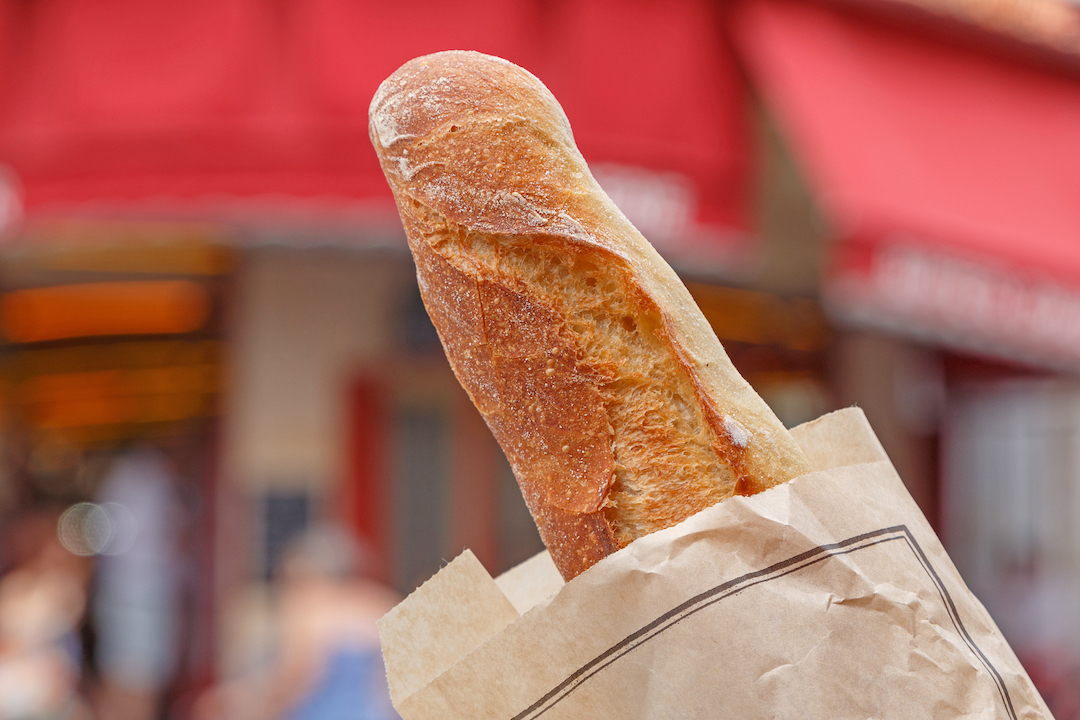
Ah, the baguette. A quintessential part of French culture. Yet, this simple loaf of bread represents much more than a vessel to capture your favorite dip. It’s a defining part of the heritage of France that underlines the lives of everyday people. Its importance to the country is now marked as it is recognized on UNESCO’s list of Intangible Cultural Heritage.
This segment of UNESCO seeks to protect cultural heritage and traditions passed down through generations.
Audrey Azoulay, UNESCO’s director general, told CNN that the bread is a way of life, the hallmark of French tradition and craftsmanship, and spotlights an “artisanal way of baking.”
🔴 BREAKING
— UNESCO ðŸ›ï¸ #Education #Sciences #Culture 🇺🇳 (@UNESCO) November 30, 2022
New inscription on the #IntangibleHeritage List: Artisanal know-how and culture of baguette bread.
Bravo #France 🇫🇷!
â„¹ï¸ https://t.co/n5nd2IfvLJ #LivingHeritage pic.twitter.com/MINHjuVffK
In France, boulangeries sell several different types of baguettes. However, the most typical one is called baguettes de tradition or just traditions. This type is made of just four ingredients—flour, water, salt, and yeast—and bakeries must bake it on-site.
The country submitted the request to UNESCO after taking the last six years to collate all the necessary documentation. However, the BBC and CNN both posit that a decline in family bakeries and the rise of supermarket chains selling mass-produced baguettes have something to do with this move as the French seek to protect this essential part of the culture.
Now that it has been approved, the baguette will join other culinary cultures, including the Neapolitan pizza, kimchi, Belgian beer culture, Arabic coffee, and the Mediterranean diet.
[via CNN and BBC, Photo 95858077 © Romantiche | Dreamstime.com]


