
Plastic Waste, Earth’s Killer, Might Be Used To Cure Humans… As Medicine
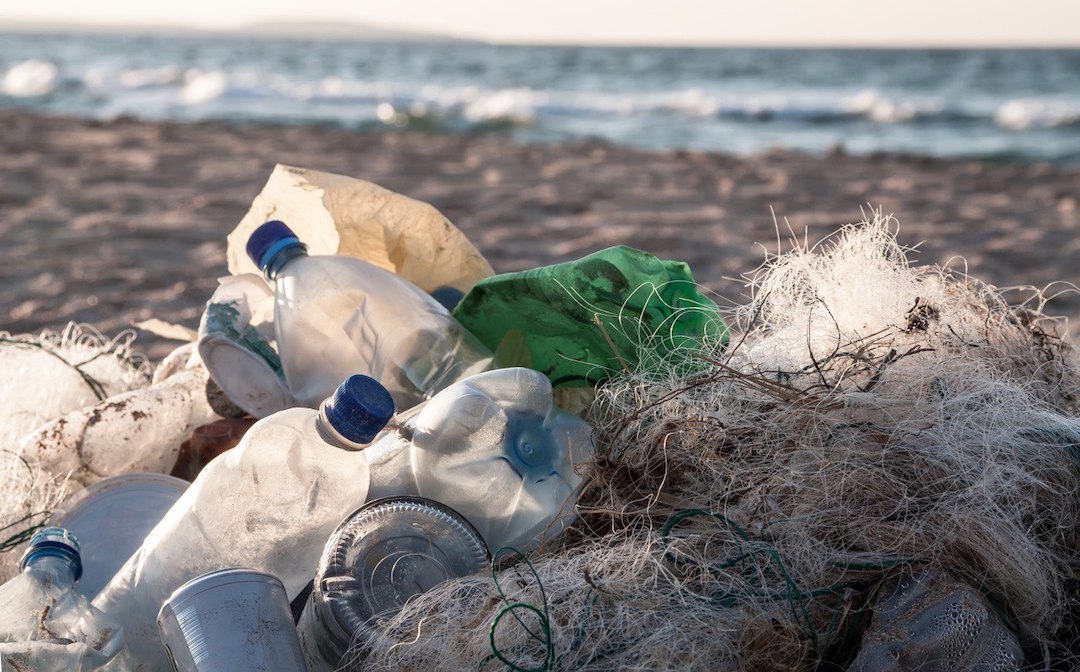
Plastic waste has plagued our beautiful green Earth with its resilience against recycling processes.
A great place to see the effects of this is the island of Catalina, just off the coast of Los Angeles, California. The island had once been home to the rich and famous of Hollywood, but it now collects trash from the Great Pacific Garbage Patch—an area of the Pacific Ocean that is home to 600,000 square miles of debris.
With few options for recycling, the University of Southern California has devised an out-of-the-box idea to rid the island of trash… by turning plastic waste into medicine.
The concept may seem far-fetched and even crazy to some. Still, the university has detailed its process in the Angewandte Chemie journal, outlining a two-step process that aims to give plastic a second life.
Firstly, the research team has developed a method to retrieve 83% of the polymer that can be reused. According to the study, this is a significant amount compared to the Environment Protection Agency’s estimate of only recovering 30% of the reusable polymer. Furthermore, the team can also take plastic bags and recover 36% of these monomers, which, according to them, is “unheard of in polyethylene recycling.”
For its research, USC has commissioned a group of students and community groups to collect waste from Catalina Harbor, which includes shopping bags, takeaway containers, milk cartons, and other goods.
The collected samples are later broken down with chemical catalysts and pressurized oxygen to create a chemical group known as diacids.
The diacids are then introduced into a genetically-engineered strain of fungus used in drug discovery called Aspergillus nidulans. The process results in the production of antibiotics, cholesterol-lowering statins, antifungals, and immunosuppressants.
It’s not known when the medication will eventually hit trials, let alone at your local pharmacy. Still, the university does note that it is also expanding its investigation into recycling efforts to see if it can apply the findings to other plastics.
[via Technology.org and University of Southern California, Photo 41152654 © Tetyana Kochneva | Dreamstime.com]


