
Ancient Romans Munched On Pizza While Enjoying Shows At The Colosseum
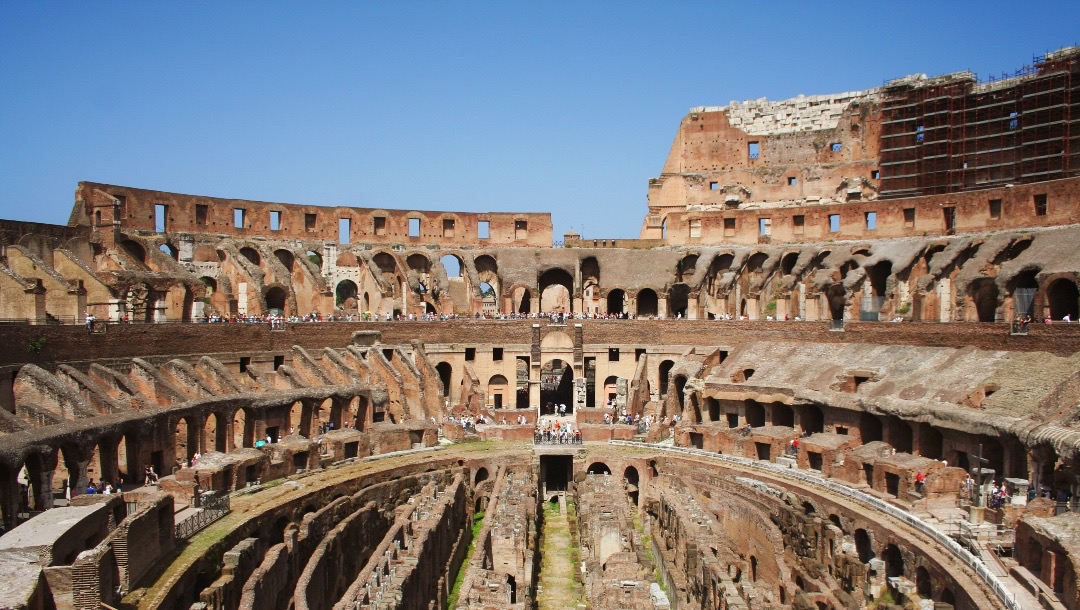
Photo 10224075 © Dan Breckwoldt | Dreamstime.com
Popcorn, chips, and candy are some of the snacks that make the movie-watching experience extra enjoyable. Well, it turns out that the Ancient Romans had their versions of these small bites when they watched gladiators and animals fight to the death for sport on the Colosseum floor.
Spectators of the time left some crumbs of their eating history in the ancient entertainment hub’s drainage system, which archaeologist Martina Almonte and her team were tasked to dig into with the help of wire-guided robots. The Colosseum Archaeological Park, which commissioned the excavation, shared their stunning new findings in a new press release.
The researchers found traces of blackberries, cherries, figs, grapes, hazelnuts, olives, peaches, plums, and walnuts in the Colosseum’s sewage. There were also remnants of barbecued meat “cooked at the moment on improvised braziers,” explains the organization on Facebook. And this meat was cooked alongside… pizza.
A selection of fruit seeds, stones, & pits recovered from the drainage system of the Colosseum in #Rome, remains of the snacks eaten by #Roman spectators watching the games in the arena up to 1900 years ago #RomanArchaeology pic.twitter.com/qrSSRQUIYB
— Dr Jo Ball (@DrJEBall) July 2, 2022
Members of the audience likely snacked on these foods while cheering on their favorite sides in the stands, say the experts.
The Romans stopped using the Colosseum’s intricate water drainage system around 523 CE, Popular Mechanics reports. However, as the city took on new construction projects, rubble fell onto the passageways and retained morsels of the past. This is why archaeologists can still unearth food from centuries back, while pigeons steal fries from your table immediately as you look away.
“Eating peaches and watching gladiators kill each other,” comments one Twitter user (via Hyperallergic). “What a joy!”
The team also dug up the bones of show animals—including those of bears, big cats, and small dogs (among them dachshunds)—irrevocable evidence of the Colosseum’s dark past. These animals were either forced to fight or were hunted down by humans in front of the public.
The hydraulics also retained second-century coins distributed under the reign of Emperor Marcus Aurelius. The monies were crafted in orichalcum, a brilliant yellow copper chosen for its lovely shine.
Looking at the sheen of the coins, the researchers deduce that they were thrown around in stunts for propaganda purposes. “We can imagine the shiny coins being thrown into the crowd, and one of them falling into the sand of the arena and then being swept away along with the blood of men and animals,” explains archaeologist Francesca Ceci. The team notes that while this is just a theory, it’s a believable one.
Today, live entertainment isn’t performed at the detriment of others’ lives. Though, it’s not to say that there aren’t parallels between past and present. Popular Mechanics notes that the stadium had tiered seating too, with the closer seats meant for the elite and the farthest ones reserved for patrons of lower social classes—their hierarchy similar to the pricing structure of today’s ticketing systems.
“The Colosseum continues to tell us its stories, emerging clearly in the wider flow of great history,” describes the Colosseum Archaeological Park.
“It is not possible for everyone to access these underground conduits which still retain traces of use… [But we now] take you with us, between water, mud and ancient walls, while the noise of the world of 2022 seems really far away.”
[via Popular Mechanics and Hyperallergic, images via various sources]


