
African Penguins Get Handmade ‘Igloo’ Nests To Escape The Heat
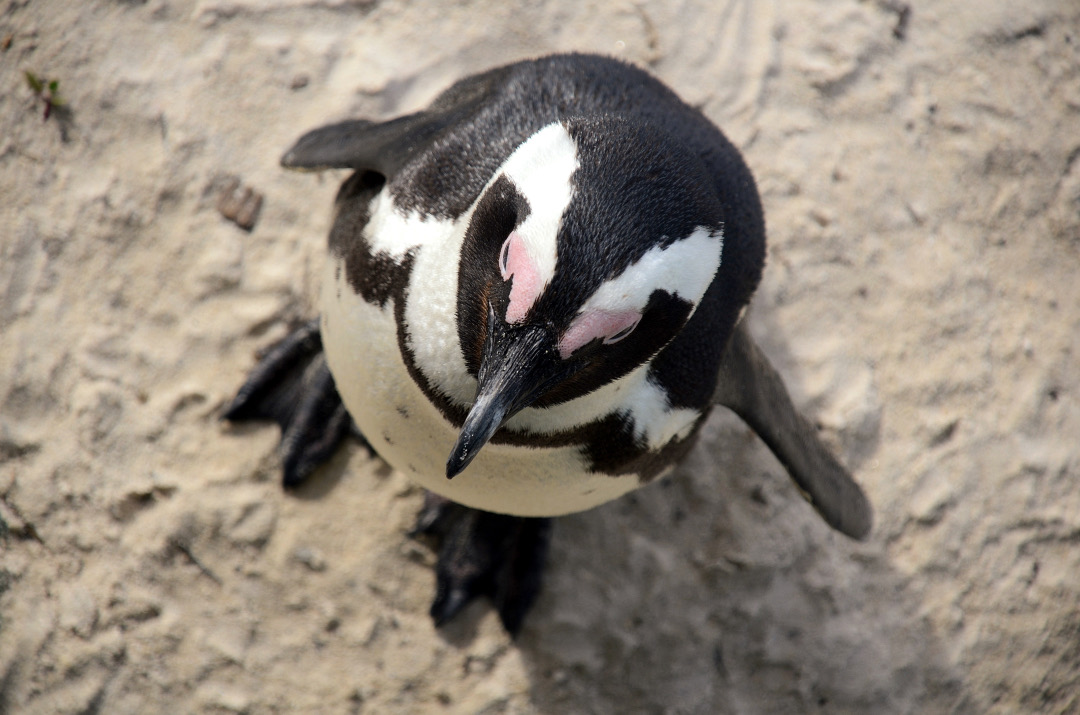
Photo 60010673 © Atenuant | Dreamstime.com
Penguins in South Africa are literally chilling out in artificial nests made out of ceramic to cope with rising temperatures.
As first reported by Hakai Magazine, a team of conservationists and researchers at the African Penguin Nest Project have constructed cooling nest boxes in the shapes of igloos. The seabirds’ habitats had been wiped out in the 1800s; as a result, the species is now endangered.
View this post on Instagram
By nature, African penguins would lay their eggs in burrows (called guano) carved out from poop they’d piled up for centuries. However, in the 1800s, much of the excrement was collected by humans and sold as fertilizer.
Without an ample supply of the natural nesting material, penguins have resorted to laying eggs in the open, leaving themselves vulnerable to overheating and their chicks exposed to predators. There are only 48,000 African penguins left in the wild today, a stark drop from the three million in the 1900s, says the report.
Penguins have also biologically adapted to retaining heat in ice, so they could suffer heat strokes when there is no proper shade on land. To cool off, they’d take a dip in the sea, but not having a nest means they’ll be leaving their eggs and chicks out in the open.
Shaun Welman, a zoologist at Nelson Mandela University (NMU), says humans have placed the entire population in danger. Now the birds won’t have to feather such storms.
Four years ago, Welman and his team designed and began installing more than 1,500 ceramic nest boxes across five penguin colonies, including Bird Island in South Africa’s Algoa Bay, where nearly half of the world’s surviving African penguins live.
Each nest is crafted from two shells of gray fabric dipped in a ceramic solution, and joined together to resemble an igloo.
View this post on Instagram
They’ve found that this mini igloo-like design has been the most successful at helping the flock beat the heat. It’s even more effective than the penguins’ natural burrows, in fact.
The ceramic huts maintain a temperature of 1°C (33.8°F) below a penguin’s resting body temperature and keep at a comfortable humidity.on On a balmy 25°C (77°F) day, researchers also recorded a 51°C (123.8°F) ground temperature outside an artificial nest. Meanwhile, the temperature inside the ‘igloo’ was just 23°C (73.4°F).
View this post on Instagram
Welman says that the penguins have not had to worry about putting their eggs at risk of overheating, since the nests work so well.
Family day doesn’t have to be so stressful anymore. The lovable seabirds can simply wing it!
[via Hakai Magazine and Cambridge University Press, images via various sources]


