
Harm Reduction Vending Machine Saves Nearly 1,000 Lives In Just One Year
Recently, reports emerged suggesting the US Food and Drug Administration (FDA) is fast-tracking the approval of an over-the-counter naloxone spray that could potentially prevent thousands of fatal drug overdoses.
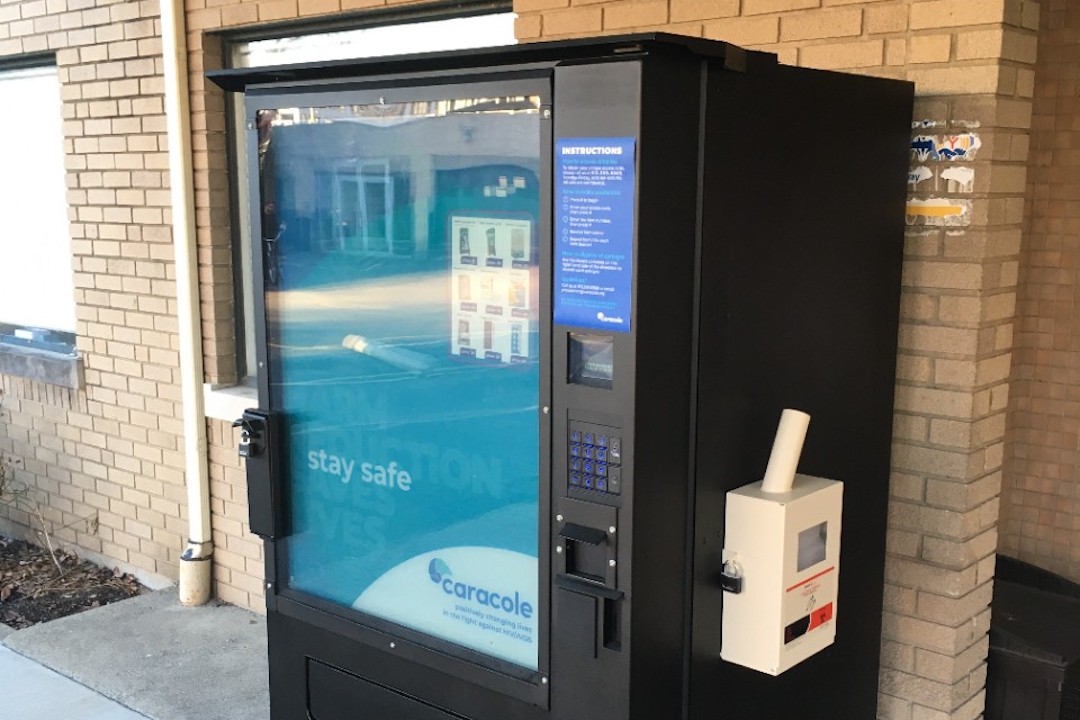
To back this up, new research from the University of Cincinnati, in collaboration with non-profit Caracole, has found that a harm reduction vending machine has helped to reverse nearly 1,000 opioid overdoses in Hamilton County alone.
The self-service machine was filled with emergency supplies, including naloxone, better known as Narcan, and significantly contributed to the reduction of overdose deaths within the region in 2021.
Daniel Arendt, Doctor of Pharmacy, explained that the concept of “harm reduction” was part of a paradigm within drug and addiction education that recognizes, as, in history, people always have and will continue to use drugs.
Of course, this doesn’t mean drug use is supported, but rather, it aims to help those who want to stop get clean, while working with those who still struggle with addiction to keep them as safe as possible.
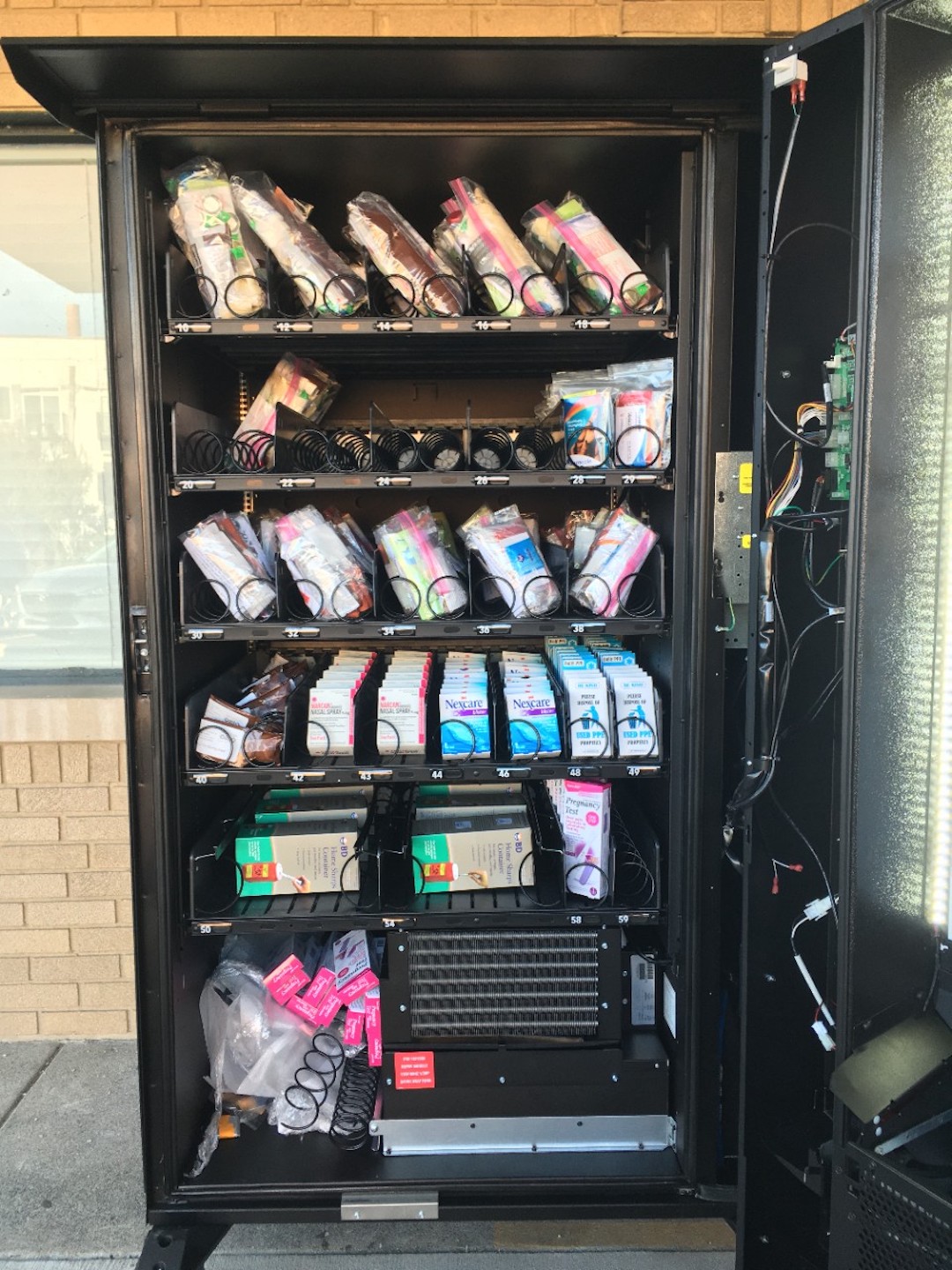
As such, part of harm reduction efforts involves distributing supplies such as sterile syringes, fentanyl test strips, and bandages to keep users safer, while making naloxone more accessible to save lives in circumstances of a drug overdose.
Hence the idea of a Narcan vending machine, which was placed on Hamilton Avenue in February 2021 as “24/7 ready access to life-saving and disease prevention supplies.”
Participants had to enroll by completing an anonymous survey, after which they would receive an access code valid for 90 days. Once the code expired, they’d have to renew their application to continue using the machine.
Each code was entitled to two injection doses of naloxone, two nasal spray doses of naloxone, a container for properly disposing of needles, a safer injection kit, a safer smoking kit, a safer sex kit, a pregnancy test, and protective equipment.
Once part of the program, counselors reached out to participants to offer them information on HIV and hepatitis C prevention, testing information, housing programs, and medical treatment for substance use disorders.
Nearly 600 #overdose reversals with this vending machine... Safer smoking, fentanyl test strips... & a harm reduction model in the nation right here in #Cincinnati. (coming to #Columbus.) check this out: https://t.co/WkjK76T1de via @Enquirer pic.twitter.com/pZReCPVpS0
— Terry DeMio (@tdemio) October 31, 2022
In just the first year, a total of 3,360 doses of naloxone and 10,155 fentanyl test strips were dispensed to over 900 users, making it the largest harm reduction supplier in the area.
When the study was first published, participants reported 288 overdoses were reversed using emergency supplies from the machine, though by now, Arendt posited the latest figures show it has worked over 960 times.
In addition, more than two-thirds of those who used the vending machine said they detected fentanyl within their drugs, allowing them to either throw the tainted supply away or use a lower dose 75% of the time.
Hamilton County saw its overdose fatalities decrease by 10% in 2021, despite the national average rising by a staggering 15%. While not all credit can be given to the single vending machine, it’s believed it did have a sizeable impact.
“A cornerstone of harm reduction is to help people who use drugs stay as healthy as possible… People can’t get healthy or seek treatment if they aren’t alive,” concluded Bachmeyer.
[via University of Cincinnati, images courtesy of Caracole]


