
Celebs Dragged Into Class-Action Suit For Promoting ‘Bored Ape Yacht Club’ NFTs
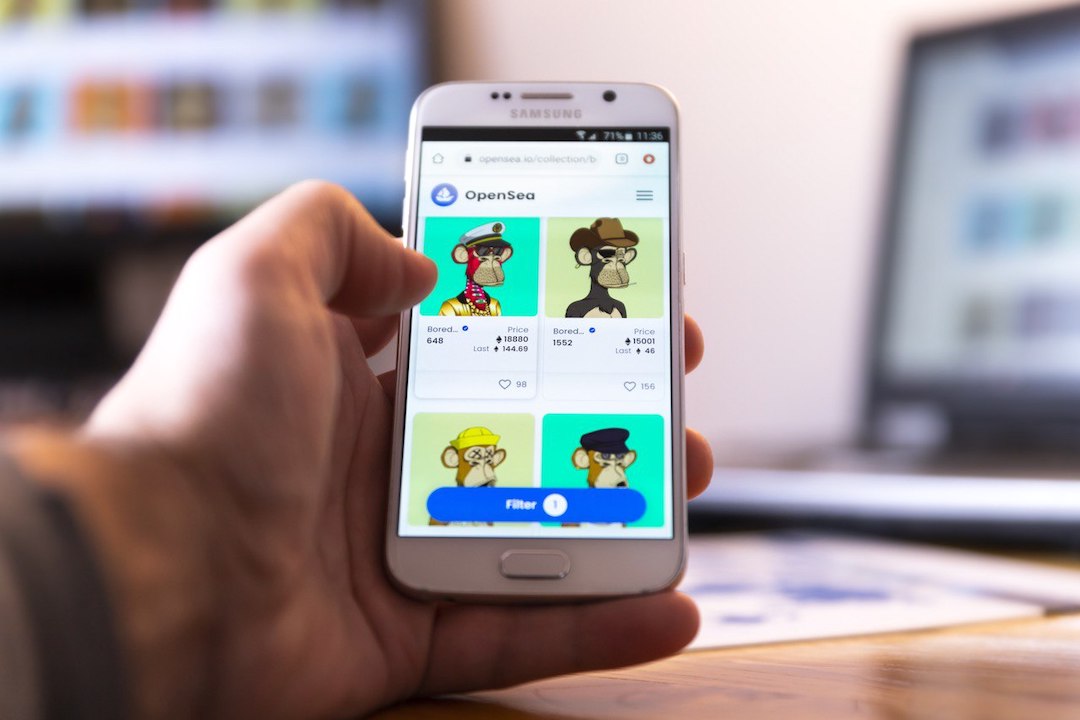
Justin Bieber, Gwyneth Paltrow, and Jimmy Fallon join a whole host of other celebrities as the target of a class action lawsuit, which alleges the A-listers committed fraud for promoting the Bored Ape Yacht Club non-fungible tokens.
According to The Hollywood Reporter, the lawsuit claims the stars “misled their followers” into purchasing the popular digital tokens, along with other unregistered securities from creator Yuga Labs, that saw prices soar.
In fact, Bieber, one of the defendants in the suit, had made headlines at the start of the year for purchasing a BAYC NFT for US$1.29 million, reportedly paying 300% more than the artwork’s estimated market price.
The complaint, filed by Scott+Scott Attorneys, posits that Yuga Labs’ business model relies on “using insidious marketing and promotional activities from A-list celebrities that are highly compensated (without disclosing such).”
Furthermore, the lawyers claim the plan was to increase the demand of the firm’s securities by “convincing potential retail investors that the price of these digital assets would appreciate.”
As per the publication, the suit alleges that each of the celebrity promoters received virtual tokens for their endorsements, and that Bieber’s Instagram post stating he had bought the asset with his own money was false.
Unfortunately for buyers who were swayed by the promotions, the trading volume of BAYC NFTs has dropped a whopping 93% from its peak at launch, while the company’s ApeCoin tokens have seen their value decrease by 90%.
CoinDesk notes that Yuga Labs has released a statement in reference to the lawsuit and dismissed the claims as “opportunistic and parasitic.” Yuga Labs adds that it is looking forward to proving the claims are devoid of merit.
For the law firm behind the suit, this isn’t the first time it has taken on celebrities in the cryptocurrency space. The attorneys previously filed a class-action complaint against Kim Kardashian and Floyd Mayweather over another token.
However, the track record doesn’t look too promising for those looking to receive compensation this time around. A federal judge recently dismissed the previous case, saying it was up to investors to “act reasonably” before buying the assets.
Can celebrities really be held liable for the financial losses of the tokens they promote? We’ll soon find out.
[via The Hollywood Reporter and CoinDesk, cover image via Aleksandar Ilic | Dreamstime.com]


