
Rembrandt Portrait Goes On Show After Half A Century—Mystery Is If He Painted It
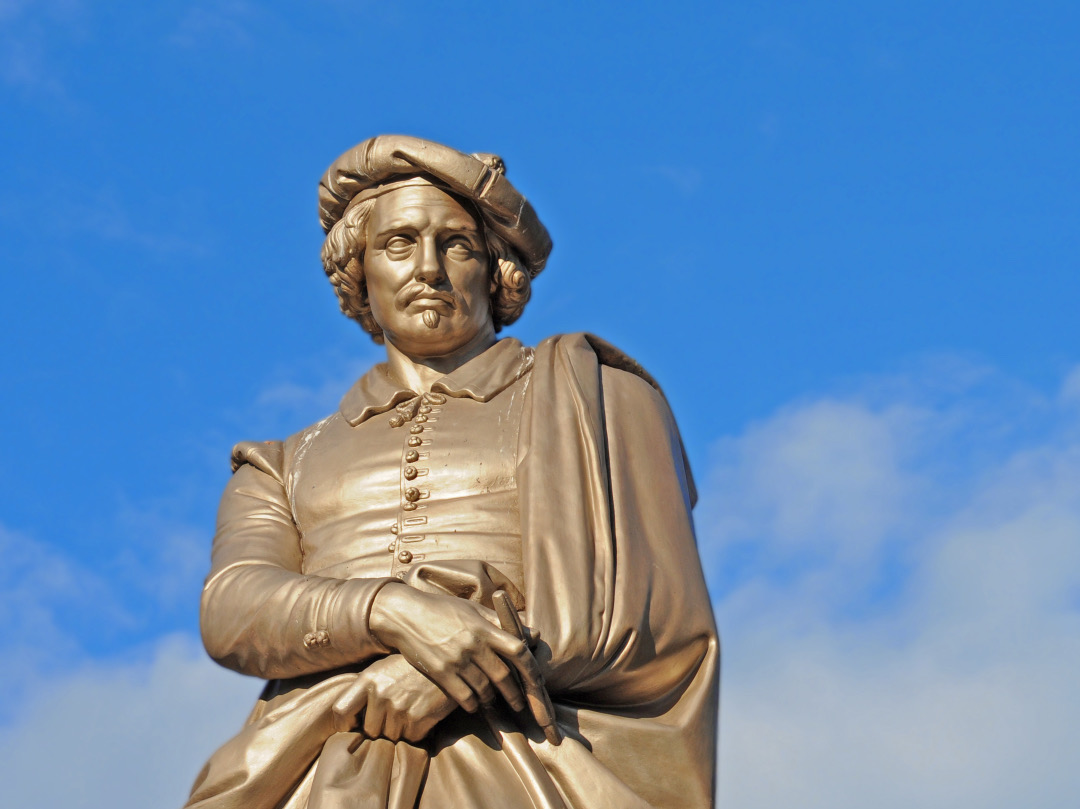
Photo 15609171 © Annavee | Dreamstime.com
A painting of a middle-aged Rembrandt van Rijn is up on public display for the first time in 55 years. Now, experts are trying to figure out if it was the Dutch painter who created it.
The portrait is being exhibited by the Escher in Het Paleis, a former palace in The Hague, in conjunction with the release of Rembrandt scholar Gary Schwartz’s book, Rembrandt in a Red Beret: The Vanishings and Reappearances of a Self-Portrait, commissioned by the work’s current owner Johann Eller.
The work depicts the Dutch master when he was about 37 years old. The canvas has been attributed to Rembrandt’s pupil, Ferdinand Bol, and even sometimes shrugged off as a copy since 1969. However, Schwartz’s search into the painting’s history told a different story; the rabbit hole went so deep, his book documents 336 pages of its trail.

Image via WBooks
Schwartz is a firm believer that the painting is a self-portrait. In fact, between 1823 and 1969, records showed that it was “accepted unconditionally” as an original Rembrandt, the expert tells the New York Times. He adds that the style is canonical and unique to no other artist.
However, the work’s deteriorating condition from being switched between multiple hands may have skewed opinions about its origin, Schwartz deduces.
Rembrandt Self-Portrait Rediscovered by Gary Schwartz https://t.co/FZVVpJM8lg pic.twitter.com/rjwEwJXljW
— CODART (@CODART) November 30, 2022
The history of the painting’s ownership is complicated. The first known record pinpoints its location to the collection of King Willem II of the Netherlands in 1823. Later, his son, Prince Hendrik, hung the artwork at the Het Paleis.
A German grand duke named Wilhelm Ernst inherited the work, and he loaned it to the Grand Ducal Museum, in Weimar, Germany, where it was stolen in 1921.
The heist was a remarkable one—its conspirators had scaled the museum, making their way up a lightning rod, before hopping through the window of the room the painting was held in. It should be noted that, when it reported on the theft, a newspaper hailed it as a “world-famous self-portrait of the Dutch master… painted one year later than the famous Night Watch in Amsterdam.”
Although the painting’s alleged thieves confessed to the crime, they never returned it. And so the canvas’s whereabouts were kept under lock and key for a good period of time.
That was until 1945, when a woman named Anna Cunningham turned in the portrait—by then heavily damaged—at the Dayton Art Institute in Ohio. The museum’s director Siegfried Weng recognized the piece right away and pondered if it was looted during World War II.
Cunningham, however, relayed a different story by her husband, a plumber by the name of Leo Ernst. She had heard that he was out drinking with German sailors during a trip to New York City in 1934 and awoke with three strange canvases in his hotel room. Ernst had apparently kept the Rembrandt portrait in his closet since then.
The Dayton Art Institute showed the canvas for a short while and then handed it over to the Art Looting Investigation Unit in Washington, DC, where it was restored. The US government later seized the painting and kept it for 20 years.
The Rembrandt work only returned to West Germany in 1967, after President Lyndon B. Johnson ordered that looted artworks be sent back to their rightful homes. And remember Wilhelm Ernst, the German grand duke who once owned the piece? Well, the painting was handed down to one of his heirs, who finally sold it to its current owner in 1983.
Since the artwork’s journey has gone full circle to the first place it was traced, the Het Paleis, it’s inspired the name of the retrospective where the public can view the portrait for the first time in ages. The exhibition, Rembrandt Back in The Hague, is scheduled to run through January 29.
View this post on Instagram
[via The New York Times and Artnet News, images via various sources]


