
New AI Machine Can Predict COVID Results With Marked Accuracy
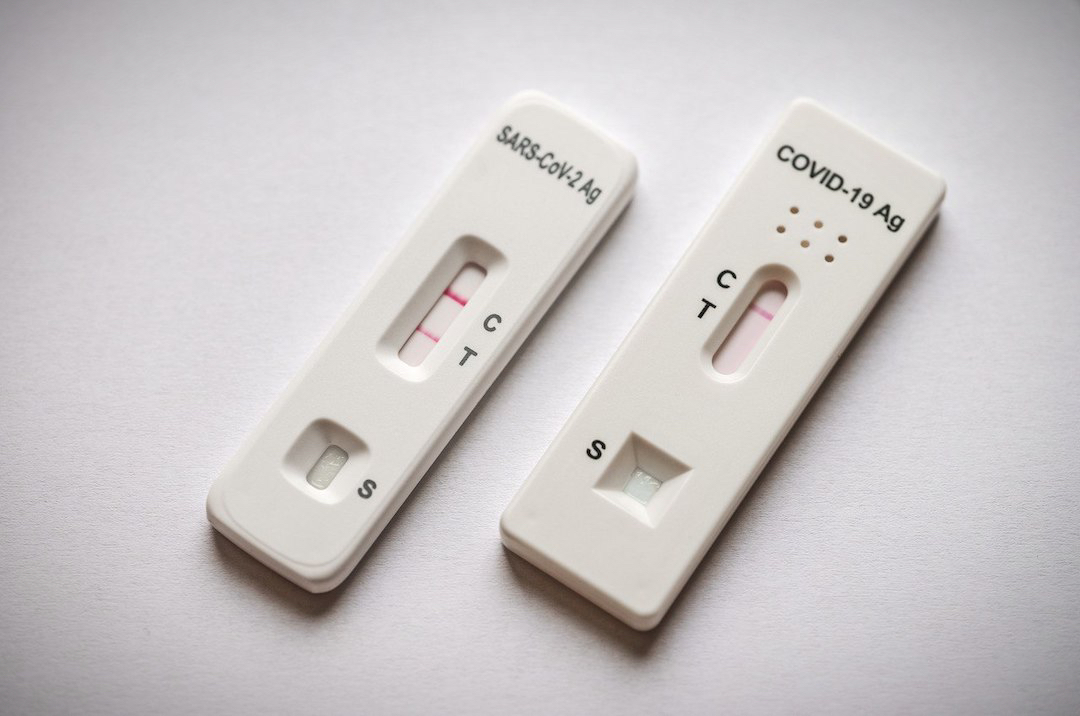
COVID-19 brought the world to its knees in the last few years. This rapidly advancing virus is like a chameleon, constantly changing its makeup and structure so that it evolves once again when you think you understand it. In light of this, doctors and scientists are often reforming techniques to test for the respiratory illness.
Two such methods are serology and molecular tests. Serology looks for antibodies that have developed due to the virus, while molecular tests detect the existence of the coronavirus.
Florida Atlantic University, the team behind this study, states that there is no research on the correlation between serology and molecular, nor is there any study done on what specifically determines a positive result.
In one example the team gave, molecular tests often have a higher negative rate as they detect an ongoing infection. There are also many differences between COVID exams, as immune systems and viral loads within a patient constantly change.
So, the scientists turned to predictive AI modeling to determine if it can help determine results. The study was published in Smart Health.
The researchers developed a learning model trained using basic symptoms and demographic variables to detect COVID-19.
A total of 2,467 donors were asked to participate in the experiment and given one or more COVID tests. The team created a set of characteristics utilizing five machine-learning models by combining symptoms and demographic data.
They investigated the relationship between serology and molecular analyses by contrasting test formats and results, then classified the 2,467 donors’ results as positive or negative to predict outcomes using the serology or molecular analyses, and created symptom features to represent each donor individually in machine learning.
The experiment achieved ACU scores of more than 81% and 76%.
Ultimately, the goal is for the equipment to aid the medical field in cutting through all this uncertainty and instead find accurate diagnoses through the help of predictive modeling.
[via Tech Times and Florida Atlantic University, Photo 242089336 © Dm Stock Production | Dreamstime.com]


