
Virgin Atlantic Gears To Launch World’s First Net-Zero Transatlantic Flight
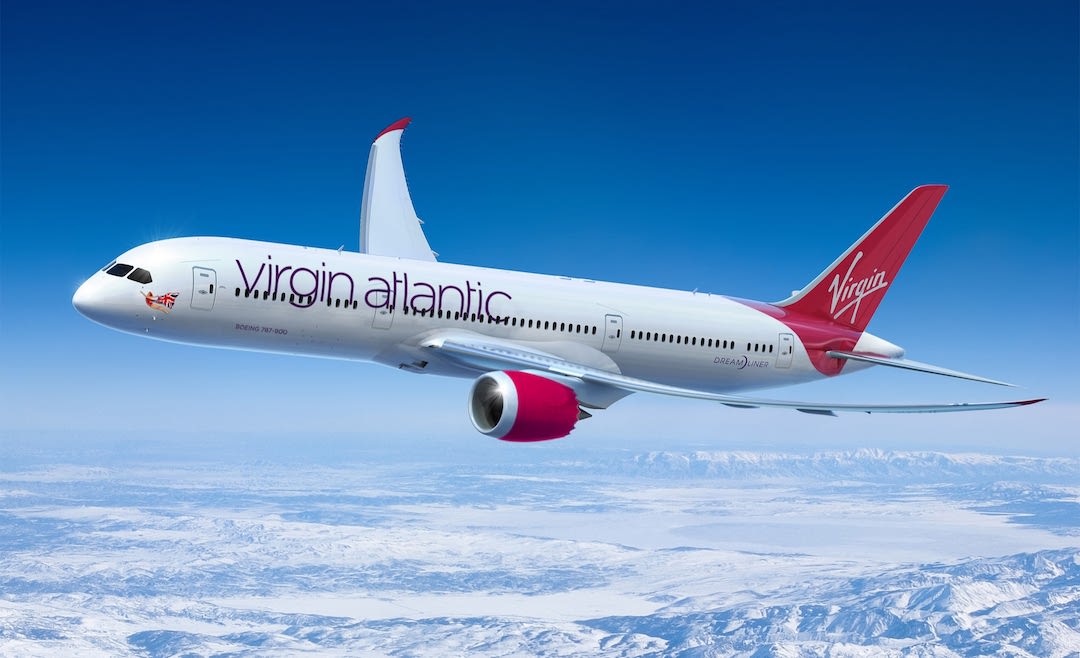
Next year, Virgin Atlantic will make history with the world’s first net-zero transatlantic flight, which will see one of its Boeing 787 airplanes make the trip from London to New York using just sustainable aviation fuel (SAF).
Part of the venture was funded by the UK Government, which is backing the project as a demonstration of how SAF could be a viable replacement to conventional jet fuel—slashing carbon emissions by over 70% when compared to kerosene.
The SAF to be used on board the historic flight will be made from waste oils and fats, such as used cooking oil. Additionally, the airliner will use biochar credits, a material that traps and stores carbon from the atmosphere, to remove other emissions, making the flight completely net zero.
According to the airliner, not only can SAF help save the planet by decarbonizing the aviation industry, but it could also be a gateway to a brand-new sector with an estimated turnover of £2.4 billion (US$2.9 billion) by 2040, and the opportunity for over 5,000 new jobs by 2035.
“For decades, flying from London to New York has symbolized aviation’s ability to connect people and drive international progress. It’s now going to be at the forefront of cutting carbon emissions from flying,” said UK Transport Secretary Mark Harper.
Virgin Atlantic CEO Shai Weiss concurred, saying that the eco-friendly fuel will “pave the way for this important and business leisure route to become even more sustainable,” and that the results from the flight “will be a huge step in fast-tracking SAF use across the aviation industry.”
[via AviationSource News and Virgin Atlantic, cover image via Virgin Atlantic]


