
Red In Doritos, Skittles & Many More Could Be Giving You Gut Problems
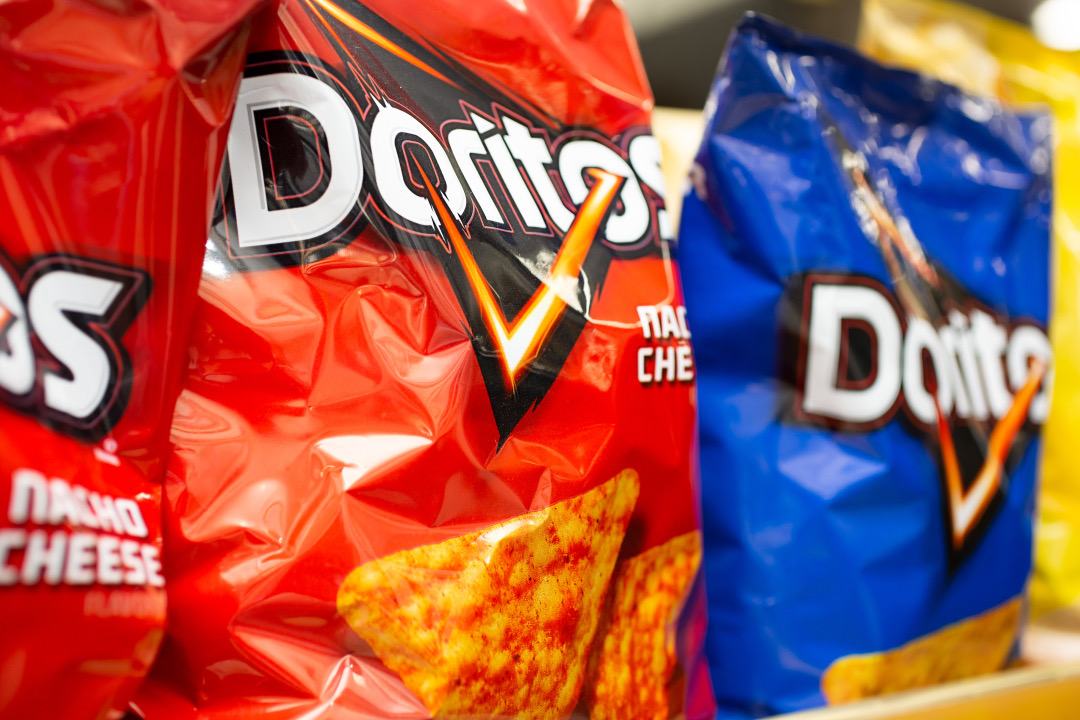
Photo 237627435 © David Tonelson | Dreamstime.com
A common food dye is in the red for potentially causing problems to the gut, as a test in mice has resulted in them getting serious stomach issues.
Red 40, also known as Allura Red, is the most popular food dye and is used on fan-favorite snacks like Doritos Nacho Cheese, Skittles, Pop-Tarts, Jello, and many more.
Red is often seen as the color for heat. It turns out that it can also cause inflammation to mice, as suggested in a new study published in the Nature Communications science journal. The rodents were fed the Red 40 food dye in amounts in line with a regular Western diet. Those that consumed the largest doses of the food coloring had a spike in serotonin, which helps regulate muscle movements in the gut, affecting their colons’ healthy bacteria and causing the inner lining to get inflamed as well as develop ulcers.
The researchers learned that exposure to the Red 40 dye early in life could increase the chances of developing colitis. This is noteworthy as the hue is typically added to food items like snacks, candy, and cereals to attract the gaze of consumers, most especially children.
Human consumers would have to ingest a higher-than-recommended dosage of Red 40 to experience similar effects to the ones endured by the mice, the New York Post reports. The scientists, however, point out that taking Red 40 in more attainable amounts could still lead to a biological imbalance that raises the chances of getting inflammatory bowel diseases (IBDs), which are suffered by three million Americans.
The study’s lead author Waliul Khan concludes: “What we have found is striking and alarming, as this common synthetic food dye is a possible dietary trigger for IBDs. This research is a significant advance in alerting the public on the potential harms of food dyes that we consume daily.” Meanwhile, the findings could guide the medical field to better treat inflammation and maintain gut health.
[via The Daily Meal and New York Post, cover photo 237627435 © David Tonelson | Dreamstime.com]


