
Apple Watch Accused Of ‘Bias’ Against Darker Skin In Class-Action Lawsuit
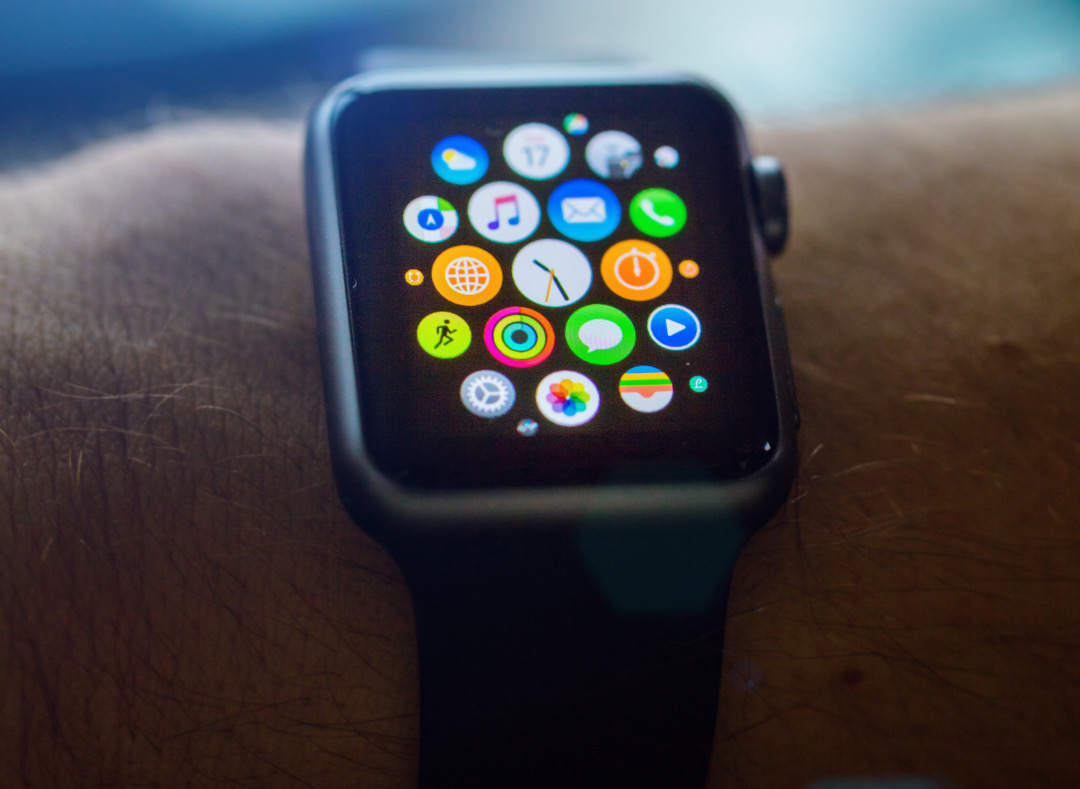
Photo 62493054 © Lukas Gojda | Dreamstime.com
The Apple Watch is drawing bad blood for allegedly overlooking how its blood oxygen sensor isn’t properly designed to capture darker skin tones.
Plaintiff Alex Morales sued the tech giant in Manhattan federal court on December 24, on behalf of all New York consumers who purchased an Apple Watch during the statutes of limitations. Morales bought his smartwatch sometime between 2020 and 2021.
Morales also raised the class-action complaint on behalf of residents in Alaska, Arkansas, Idaho, Iowa, Mississippi, North Carolina, North Dakota, Utah, and Wyoming using the states’ consumer fraud laws, according to AppleInsider.
Apple Watches beginning from the Series 6, which was launched in 2020, have blood-sensing technology, made possible with a pulse oximeter that measures oxygen saturation using light. It’s worth stressing that this sort of detector is the norm for gauging blood oxygen levels, and that Apple is using an industry standard that hasn’t changed much since the 1970s.
Pulse oximeters have been known to consistently misread blood oxygen levels for people with Black and brown complexion due to the higher amount of melanin in their skin. As per the Institute for Healthcare Policy and Innovation, Black people are three times more likely to be affected by the failings of blood oxygen readers.
A breakthrough study concluded in October found that by replacing the traditional red-infrared light used in blood detectors—devices that haven’t evolved much since entering the scene half a century ago—with blue-green light, these gadgets can be more precise in monitoring the hemoglobin of patients of color.
On Apple’s part, the company explains on its website that its smartwatches more adequately consider “natural variations” in skin with the addition of four clusters of LED lights built into their backs. As quoted by Gizmodo, Apple also highlights that its Blood Oxygen feature is for “general fitness and wellness purposes” and “not intended for medical use.”
Still, the lawsuit calls out Apple for supposedly being ignorant to the “clinically-significant” weaknesses of pulse oximeters and the technology’s inherent bias. Morales asserts that a reliance on the watch’s sensor by Black patients could lead to them blindly adjusting their oxygen levels and ultimately put them at “increased risk for hypoxemia.”
The complainant is seeking claimants from the aforementioned states so the suit can qualify for class certification. Meanwhile, Apple has 21 days to file a response.
[via Gizmodo and AppleInsider, cover photo 62493054 © Lukas Gojda | Dreamstime.com]


