
Scientists Concoct Blood Test That Can Help Identify Alzheimer’s Disease
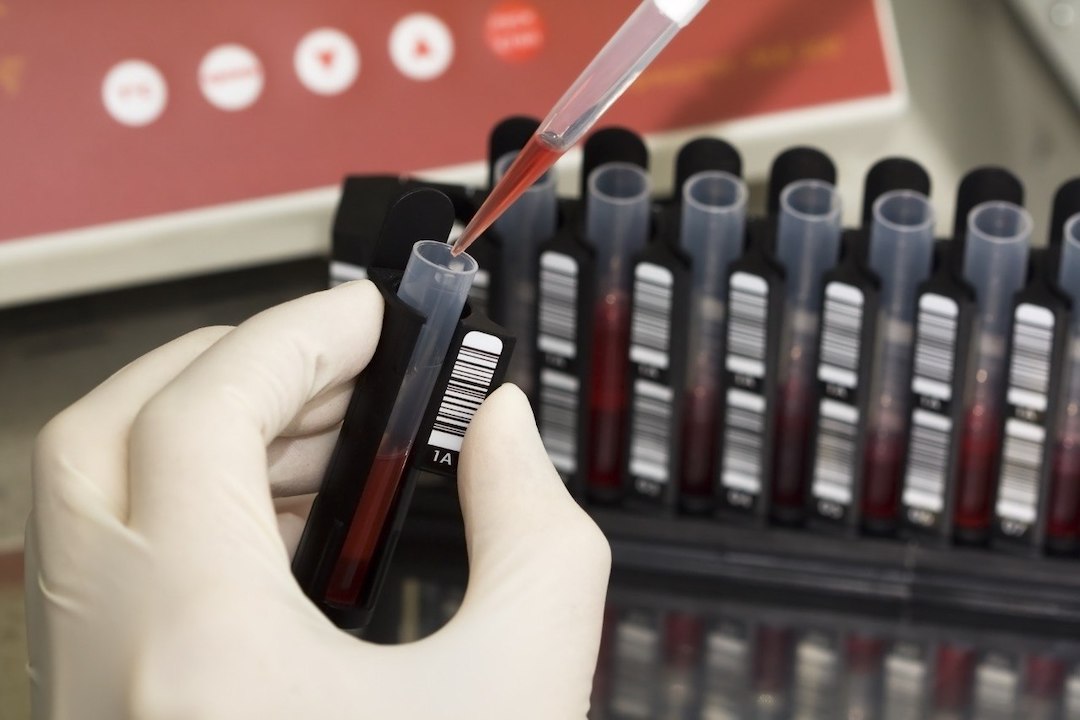
In the same vein as a virtual-reality game that can objectively detect cognitive conditions, researchers have recently developed a blood test that can help objectively diagnose Alzheimer’s disease.
Currently, the standard procedure to identify the illness involves either an expensive brain imaging scan or a painful lumbar puncture, where cerebrospinal fluid (CSF) is drawn from a patient’s back and tested.
With this new, faster method of determining the disease, patients can not only avoid torturous, high-cost procedures, but they can also receive medical treatment earlier in their diagnosis, which is still one of the most challenging illnesses to identify, especially at the early stages.
As opposed to MRI or PET scanners, blood tests are far more accessible, not to mention cheaper, safer, and easier to administer. Professor Thomas Karikari at the University of Pittsburgh posited that this method of diagnosis could “improve clinical confidence” in identifying the disease.
Karikari and his team collaborated on developing an antibody-based blood test, which unlike the usual blood tests we undergo yearly, can detect a particular form of tau protein—brain-derived tau—specific to Alzheimer’s disease.
Upon testing the procedure on 600 patients suffering from various stages of the illness, the study found the levels of protein found in the blood test correlated well with that in the CSF, proving that just blood could be used to reliably distinguish it from other neurodegenerative conditions.
As per The Guardian, the team is now looking at validating test results in a broader setting, and testing its efficacy on a more diverse group of subjects, including patients from varied racial and ethnic backgrounds, or those at different stages of memory loss.
[via Engadget and The Guardian, cover image via Kireevdmitry | Dreamstime.com]


